

While FIFA says the investment could help expand football globally, UEFA maintains that the game itself is not a commodity to be bought and sold.
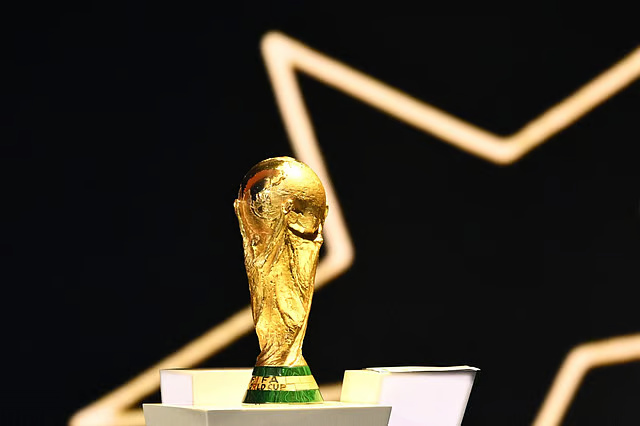
Dubai: FIFA, football’s global governing body and organiser of the World Cup, has announced plans to establish a new commercial entity to manage key business operations, including ticketing, sponsorships, and broadcasting rights.
The proposed company, FIFA Forward Enterprise, is expected to be valued at around $20 billion. The move has sparked controversy after FIFA revealed plans to sell minority stakes of up to 20% in the business to external investors, with the potential to raise approximately $4.2 billion.
In simple terms, the proposal would allow private investors to own a share of the commercial business behind one of the world’s biggest sporting events — the FIFA World Cup. Among the potential investors is a fund connected to the Kushner family through Thrive Eternal, the company founded by Joshua Kushner. Reuters has reported that Jared Kushner is not expected to be an investor, while JPMorgan is advising on the transaction.
FIFA maintains that the move would not affect its authority over football’s governance. The organisation says it will retain full control over sporting decisions, including competition formats, the international calendar, and how the game is managed, while directing funds raised towards football development worldwide.
FIFA President Gianni Infantino has described the initiative as the “democratisation of football”, highlighting plans to increase annual funding for FIFA’s 211 member associations from $8 million to $20 million each.
Who is UEFA, and why is it opposing the proposal?
UEFA is the governing body responsible for football across Europe. While FIFA oversees the sport globally, UEFA manages competitions and development across the European continent, including major tournaments such as the UEFA Champions League and the European Championship.
Representing 55 national football associations, UEFA holds significant influence within the game, largely because Europe is home to some of football’s wealthiest leagues, most successful clubs, and largest commercial markets.
UEFA’s objections and the wider power struggle
UEFA responded strongly to FIFA’s proposal, arguing that the issue goes beyond finances and is rooted in the principles of how football is governed. In a pointed statement, it said the sport’s identity and decision-making structures should not be treated as commercial assets.
“The soul and governance of football are not assets to trade,” UEFA said, adding that “it is not FIFA’s to sell.” The organisation also questioned the transparency of the deal, seeking clarity on who would ultimately benefit financially from the proposed arrangement.
FIFA and UEFA’s growing tensions
Behind the public debate lies a broader struggle for influence between FIFA and UEFA. The two governing bodies have experienced increasingly strained relations in recent years, with disagreements over the future direction and commercialisation of football.
The proposal is also far from final. It would require approval from a majority of FIFA’s 211 member associations, meaning the plan cannot move forward through Infantino’s backing alone.
UEFA considers its next move
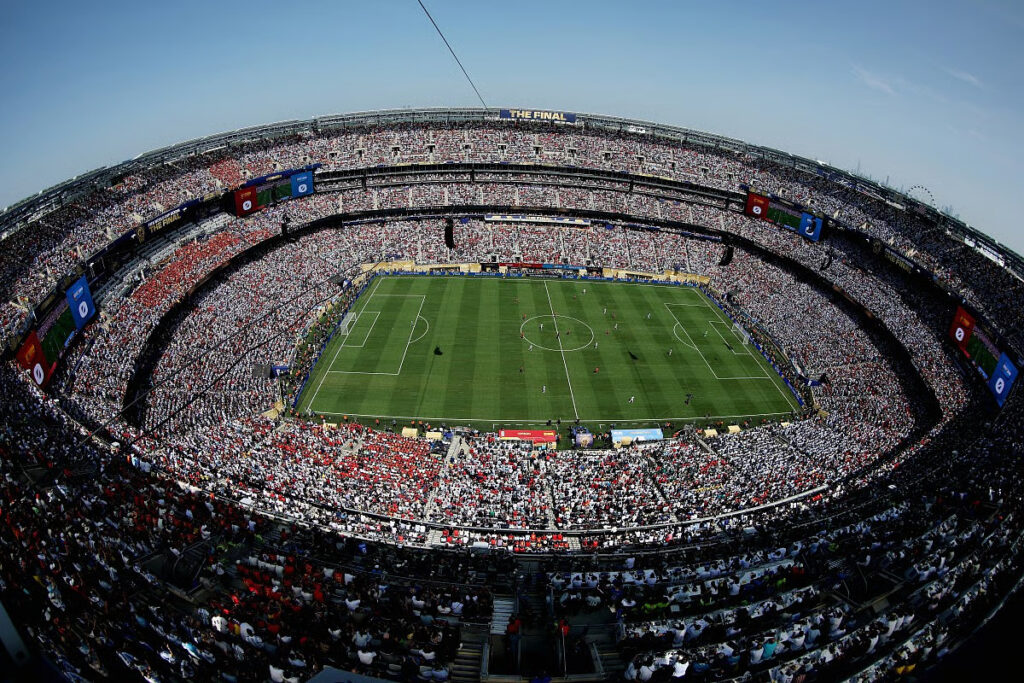
UEFA is taking action beyond public statements, with reports suggesting it is preparing an emergency meeting involving all 55 of its member associations. Among the options being discussed is its strongest form of opposition — a potential boycott of future FIFA competitions, including the World Cup.
Such a threat has influenced FIFA decisions in the past. In 2021, plans to stage the World Cup every two years were abandoned after strong opposition from UEFA, while a separate 2018 investment initiative involving SoftBank also failed to progress amid resistance from European football stakeholders.
The key question now is whether Infantino’s latest commercial vision can withstand similar pressure from UEFA and other influential voices within the sport.
