

The Dubai Centre for Harboring provides healthcare, accommodation and legal assistance to stranded migrants who are unable to return to their home countries, ensuring they receive support and care until their departure arrangements are completed.
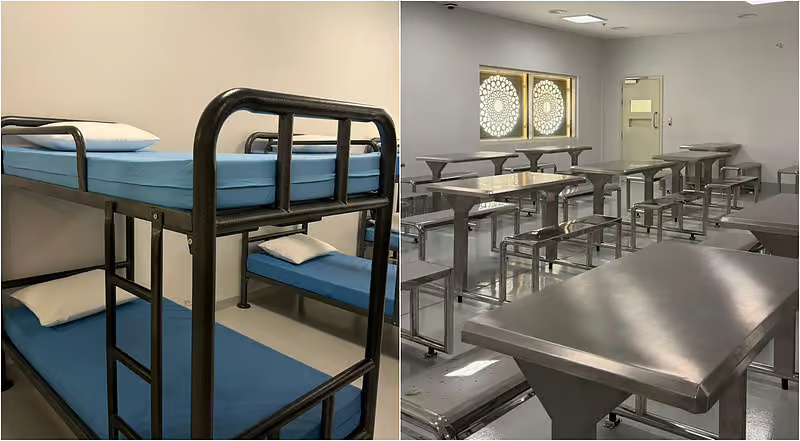
For many people, Dubai represents a city of opportunity and the hope of a better future. But for some, those dreams are disrupted by unexpected challenges, leaving them unable to return to their home countries.
Some lose their jobs, others fall victim to fraudulent recruitment schemes, while some face difficulties after losing travel documents or experiencing humanitarian situations beyond their control. Each year, thousands of people receive support at a dedicated facility before they are able to begin their journey back home.
Located in Al Awir, Dubai’s Centre for Harboring provides temporary shelter, healthcare and legal support to people whose departure from the UAE has been delayed. The facility offers care and dignity to those facing difficult circumstances, while authorities work to resolve their cases and help them return home.
Unlike the image many people may have of immigration facilities, the centre functions as an integrated humanitarian hub, combining medical care, accommodation, legal support and travel arrangements in one location.
From arrival to departure
Each resident follows a structured process from the moment they arrive at the centre.
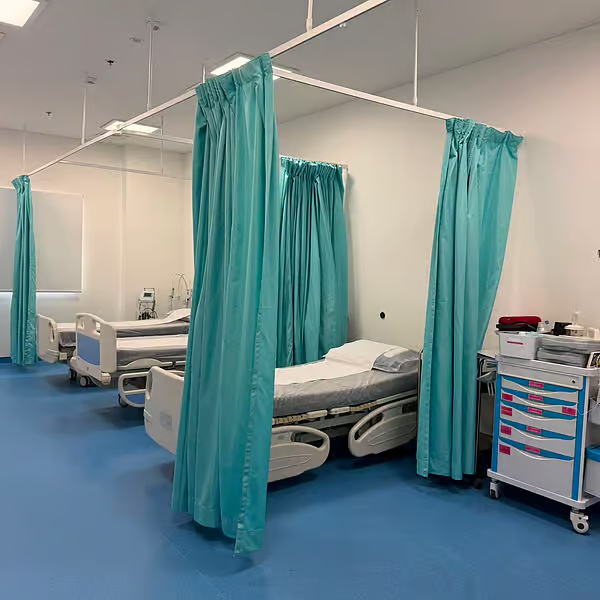
The first stage is a visit to the medical clinic, where every individual undergoes an initial health assessment. Those who require additional care are referred for specialist consultations before they are cleared for travel.
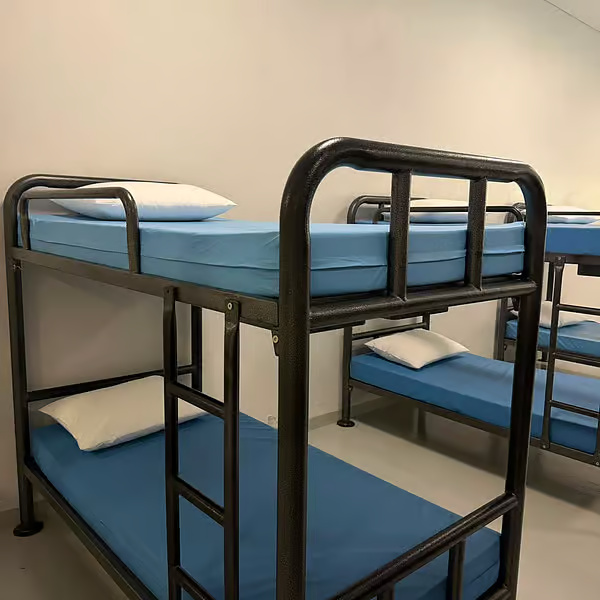
Residents are then given the opportunity to shower, receive fresh clothing and access personal care services before being moved to the centre’s residential area, where they can stay while their cases are processed and their departure arrangements are finalised.
Personal belongings, including passports, mobile phones, cash and valuables, are carefully recorded and placed in secure storage lockers. Residents can request access to their phones whenever needed, while landline telephones are also available to help them stay connected with family members and embassies.
Beyond addressing immediate requirements, officials say the centre’s approach is designed to provide stability and reassurance during what can be one of the most challenging periods in a person’s life.
Nine services under one roof
The Centre for Harboring brings together nine integrated services designed to meet residents’ humanitarian and practical needs.
These include accommodation and catering, healthcare through fully equipped clinics, social and humanitarian support, personal care services, security, secure storage of belongings, awareness and recreational programmes, and coordination with embassies, consulates and government authorities.
Dedicated teams handle each case individually, working with diplomatic missions to obtain emergency travel documents, complete legal requirements and secure departure approvals.
The centre also works with specialised companies to arrange airline tickets, transport to the airport and, in many cases, boarding passes before residents leave the facility.
Officials said bringing all services together under one roof helps reduce processing times while ensuring residents receive comprehensive support throughout their stay.
A humanitarian approach
During a tour of the facility, Lieutenant General Mohammed Ahmed Al Marri, Director General of GDRFA Dubai, said the centre reflects the UAE’s commitment to humanitarian values in government services.
“The Centre for Harboring represents a distinguished model that reflects the UAE’s values of tolerance, solidarity and respect for human dignity,” he said.
He added that Dubai’s security and stability extend not only to citizens and residents but also to people facing exceptional circumstances that prevent them from returning home.
“We believe that true leadership is measured by an institution’s ability to serve people and provide support under all circumstances,” Al Marri said, adding that the centre strengthens Dubai’s reputation as a global city and a benchmark for humanitarian services.
Major General Dr Ali bin Ajif Al Zaabi, Assistant Director General of the Violators and Foreigners Follow-up Sector at GDRFA Dubai, said specialised teams follow each resident’s case from arrival until departure, ensuring every step is completed efficiently.
He said the centre was designed to combine essential services in one location, covering healthcare, daily needs, legal procedures, coordination with consulates, travel document issuance, flight bookings and boarding arrangements.
“Our team works to address the challenges faced by stranded individuals with the highest levels of efficiency, ensuring a comprehensive humanitarian experience that preserves their dignity until they depart the UAE,” he said.
Thousands assisted
The scale of the centre’s operations is reflected in its latest figures. In the first half of 2026, the Centre for Harboring assisted 11,696 people who were unable to complete their departure procedures.
During the same period, the facility provided:
- 322,232 meals
- 11,696 initial medical examinations
- 1,906 specialist medical consultations
- 4,568 travel documents coordinated through embassies and consulates
- 11,696 airline tickets facilitated for departures
Officials said each figure represents an individual whose return home required more than simply arranging a flight.
One recent case involved an African woman who arrived in the UAE on a tourist visa hoping to find employment. After being unable to secure work and facing accommodation difficulties for herself and her daughter, who required medical care, she sought help from the centre.
Officials provided accommodation, healthcare and essential support while coordinating procedures until arrangements were completed for their departure from the UAE.
More than an immigration facility
A visit to the centre shows that its role extends beyond traditional immigration procedures.
Medical teams provide consultations, case officers coordinate with embassies, and support staff ensure residents have access to food, accommodation and essential services while awaiting travel arrangements.
Rather than focusing only on administrative procedures, the centre follows a comprehensive approach that combines operational efficiency with humanitarian care.

