

Lower crude oil prices are pointing to another reduction in UAE fuel rates in August, but analysts expect the decline to be limited as geopolitical uncertainties and tight global inventories continue to support prices.
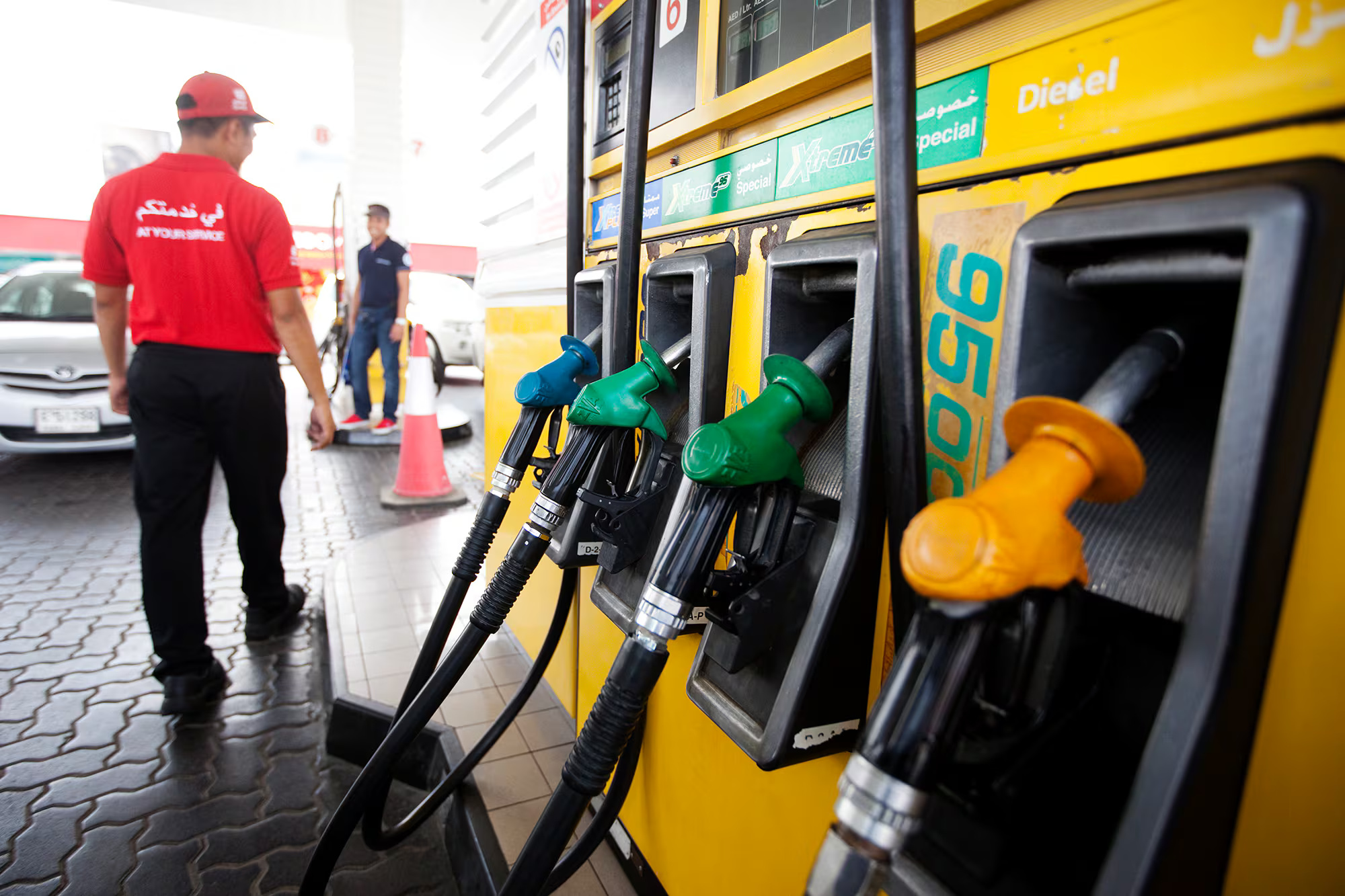
UAE motorists could see fuel prices fall for a second straight month in August, although the reduction is expected to be smaller than the recent movements in global crude oil markets.
The outlook follows a period of oil market volatility, with Brent crude averaging around $87 per barrel in July, compared with $85 per barrel in June. Prices have been influenced by renewed tensions involving Iran, disruptions to regional shipping routes, and ongoing uncertainty surrounding the Strait of Hormuz.
According to Vijay Valecha, Chief Investment Officer at Century Financial, lower crude oil prices are expected to support a decline in UAE retail fuel rates, but the impact is unlikely to be immediate or fully reflected.
“Some of this month’s crude relief should carry through to next month’s petrol prices, but low product inventories and the market’s inherent stickiness mean the decline at the pump will likely be smaller and slower than the crude price swings imply, with the risk skewed toward renewed spikes rather than a smooth glide lower,” Valecha said.
Valecha added that if July crude prices average around $79 per barrel, compared with about $82 per barrel in June, the figures indicate a second consecutive reduction in UAE petrol prices.
He said Special 95 could fall to around Dh3.13 per litre, while Super 98 may drop to about Dh3.24 per litre.
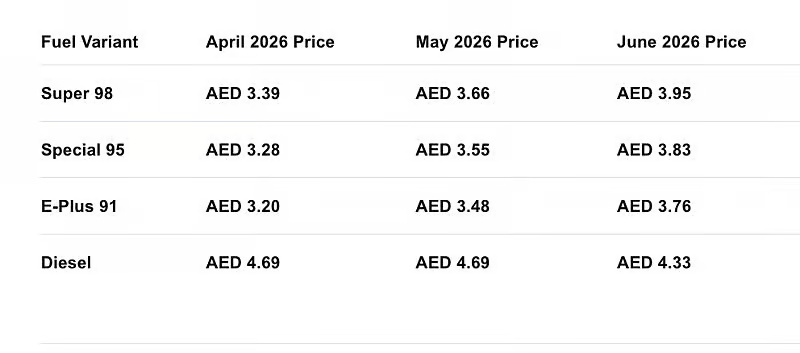
UAE petrol prices had increased steadily over a three-month period from April to June, following market disruptions linked to the Iran conflict. The rates during that period were as follows:
In July, UAE fuel prices declined after the US and Iran announced a ceasefire. Last month, Super 98 petrol was priced at Dh3.40 per litre, while Special 95 stood at Dh3.29 and E-Plus at Dh3.21. Diesel was priced at Dh3.60 per litre.
However, analysts warned that the geopolitical situation remains fragile and could quickly influence oil prices. Madhur Kakkar, Founder and CEO of Elevate Financial Services, said markets are being driven more by geopolitical developments than traditional supply and demand factors.
“Brent enters August around $90 after a violent round trip, and that’s the right way to think about this market as it is trading headlines, not balances,” Kakkar said. He expects Brent crude to average in the low-to-mid $90s during August, while warning that renewed tensions could push prices above $100 per barrel again.
Market participants are also monitoring how major economies respond to oil price movements. Joshua Owen, CEO of Lunaro Financial Services Limited, said traders are increasingly focused on the point at which rising energy costs begin affecting inflation and monetary policy.
“Since the outbreak of the conflict, it has been noted that the US has walked back rhetoric and indeed called for ceasefires as Brent approaches the $100 mark, while tensions have resumed as the price approached the pre-conflict $70 level,” Owen said.
This pattern suggests oil markets may continue trading within a broad range, creating uncertainty for fuel pricing models across the region.
A similar outlook was shared by Saxo Bank, which expects continued volatility rather than a sustained upward or downward trend. Hamza Dweik, Head of Trading (MENA) at Saxo Bank, said the market is balancing risks to oil shipments with signs that export flows are gradually returning to normal.
“Our base case for August is continued volatility rather than a sustained move in either direction,” Dweik said, adding that traders are watching both potential shipping disruptions and progress on diplomacy.
For UAE motorists, August fuel prices are likely to remain closely linked to developments in the Gulf. While lower crude prices support expectations of another reduction, analysts said tight inventories and ongoing geopolitical risks continue to keep a premium built into oil prices.
As a result, motorists could see another fuel price cut when August rates are announced this week, but a sharp decline may be unlikely unless crude prices continue falling and regional tensions ease further.

