

30-km Blue Line set to transform mobility across nine major districts in Dubai.
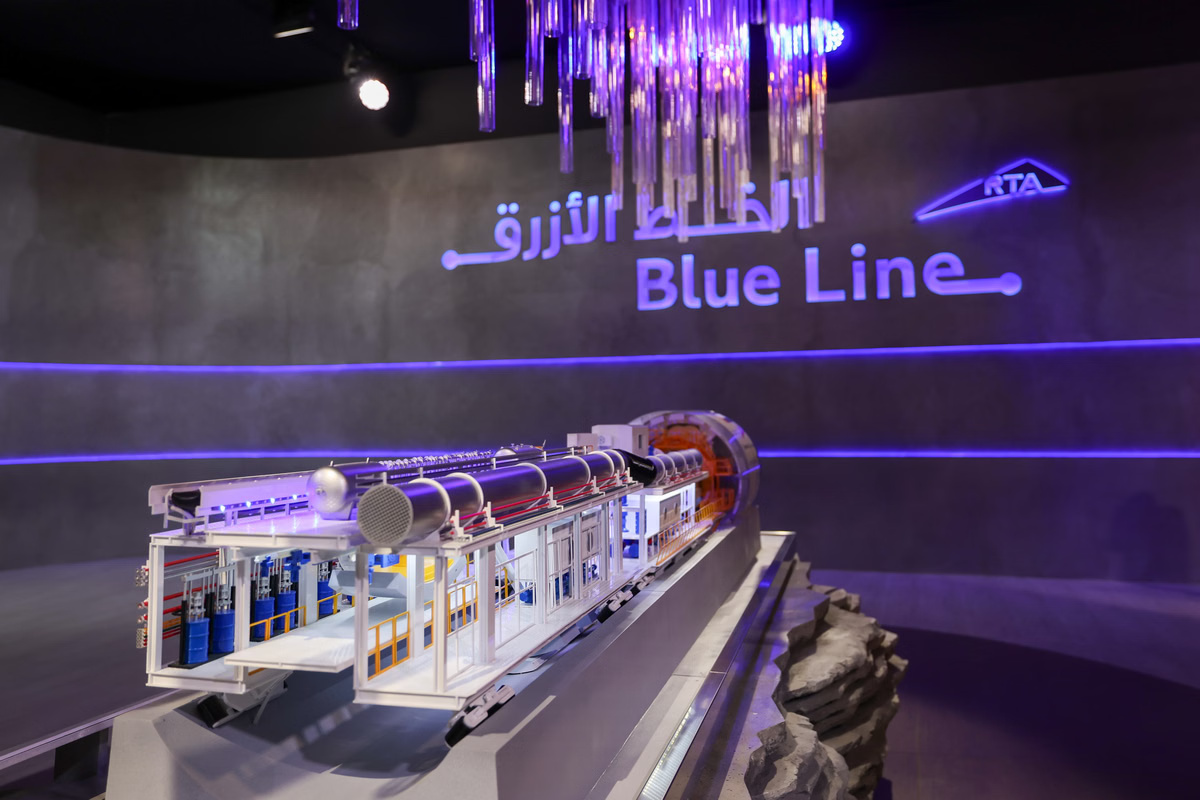
Dubai has unveiled the architectural vision for its upcoming Metro Blue Line, a landmark transport project aimed at reshaping mobility, connecting emerging urban hubs, and supporting the emirate’s vision for a smarter, more sustainable city.
At the core of the project are architecturally distinctive stations, including what will be the world’s tallest metro station and the largest underground interchange station in Dubai’s metro network, highlighting the focus on innovation, design excellence, and enhanced passenger experience.
Sheikh Mohammed bin Rashid Al Maktoum recently reviewed the designs for the upcoming Metro Blue Line stations, which combine futuristic architecture with functional efficiency.
The stations are designed to serve some of Dubai’s fastest-growing residential, educational, and technology districts.
Largest underground interchange station
Among the key features of the Metro Blue Line is the interchange station at Dubai International City, which is set to become the largest underground interchange station in the Dubai Metro network.
Spanning over 44,000 square metres, the station is designed to handle an estimated 350,000 passengers daily, making it one of the most significant transit hubs in the emirate. It will serve as a major connection point between the two branches of the Blue Line, improving connectivity across eastern and northern Dubai.
The large underground station is designed to improve passenger flow and reduce congestion, while ensuring seamless integration between metro lines.
Dubai Roads and Transport Authority has also unveiled the design of the iconic Emaar Properties Station, which, at 74 metres in height, is set to become the world’s tallest metro station.
Covering around 11,000 square metres, the station has been designed as a symbolic gateway to Dubai’s future. It has been created by the globally renowned architectural firm Skidmore, Owings & Merrill, known for projects such as the Burj Khalifa, the Olympic Tower in New York, and the Sears Tower in Chicago.
The design blends luxury, openness, and a modern urban identity, with soaring walls, natural textures, and warm earthy tones intended to create a welcoming and immersive environment. Light is used as a central design element, enhancing the visual experience and reinforcing the station’s role as both a transport hub and architectural landmark.
The station is expected to serve Dubai Creek Harbour, home to an estimated 40,000 residents, as well as a growing number of visitors to the waterfront district. Daily ridership is projected to exceed 70,000 passengers by 2040, while the station is designed to accommodate up to 160,000 passengers per day.
Elements of nature
The remaining Blue Line stations will feature contemporary interiors inspired by the four elements of nature—air, water, earth, and fire—creating distinctive travel experiences across the network.
Three stations themed around air will represent ambition and upward movement, using open spaces and natural lighting to evoke a sense of freedom and elevation.
Two stations inspired by water will highlight Dubai’s maritime heritage through flowing forms, calm colour palettes, and interconnected layouts that create a feeling of movement and tranquillity.
Four stations themed around earth will incorporate earthy tones and textured materials, reflecting heritage, stability, and a connection to nature.
Meanwhile, two stations inspired by fire will express the city’s energy and dynamism through vibrant colours, dramatic lighting, and interiors designed to convey speed, motion, and vitality.
Connecting new corridors
The Blue Line is a key part of the strategy by the Dubai Roads and Transport Authority to support the goals of the Dubai 2040 Urban Master Plan by improving connectivity between emerging urban centres, residential communities, and economic hubs.
The route spans two main corridors covering a total of 30 kilometres.
Two routes
The first route starts at Creek Interchange Station on the Green Line in Al Jaddaf, passing through Dubai Festival City, Dubai Creek Harbour, and the Ras Al Khor Industrial Area. It then reaches Dubai International City—home to the major underground interchange station—before continuing to International City 2 and 3, Dubai Silicon Oasis, and Dubai Academic City. This section spans 21 kilometres and includes 10 stations.
The second route begins at Centrepoint Interchange Station on the Red Line in Al Rashidiya and passes through Mirdif and Al Warqa’a before connecting to the interchange station at Dubai International City. This section spans nine kilometres and includes four stations.
The project also includes a new train depot and maintenance facility in Al Ruwayyah 3.
Faster airport access
The Blue Line is expected to significantly improve connectivity between residential districts, academic institutions, and business hubs, especially in Dubai Silicon Oasis, a major centre for technology, innovation, and knowledge industries.
Once operational, the line will enable direct travel from these areas to Dubai International Airport in around 20 minutes.
Dubai Roads and Transport Authority also expects the project to reduce traffic congestion by around 20% along its corridors, supporting Dubai’s broader sustainability and smart mobility objectives while encouraging greater use of public transport.

