

Rising tensions in the Strait of Hormuz fuel uncertainty as UAE residents remain cautious.
Residents across the region are facing renewed uncertainty on Wednesday as tensions between the United States and Iran escalate. The conflict has disrupted regional air travel, raised concerns over commercial shipping through the Strait of Hormuz and prompted fresh security advisories.
The latest escalation comes after the collapse of a fragile 60-day diplomatic framework between Washington and Tehran.
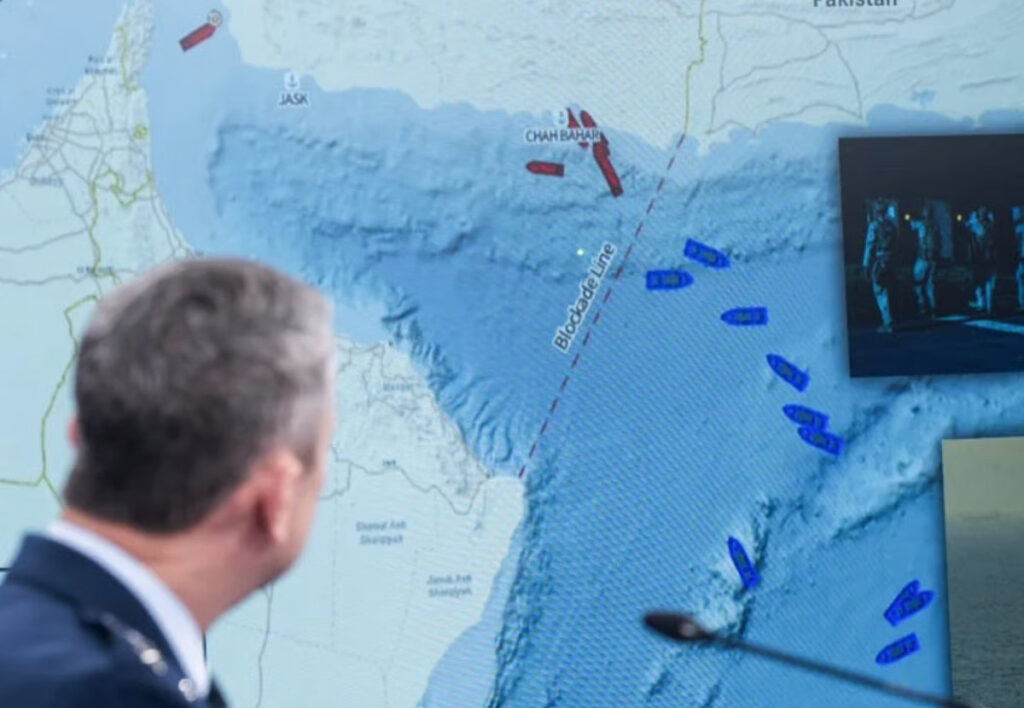
The United States has resumed military strikes on targets in southern Iran and reinstated a naval blockade on Iranian ports, following accusations that Tehran carried out renewed attacks on commercial shipping in the Strait of Hormuz.
Iran, meanwhile, has vowed retaliation and continued to challenge maritime activity through one of the world’s most important energy chokepoints.
Here’s what UAE residents should know today:
Flights remain under pressure
Several airlines have rerouted, delayed or suspended services across parts of Gulf airspace as aviation authorities continue to monitor the worsening security situation.
European aviation regulators have advised airlines to avoid or carefully assess operations over parts of the Gulf, while several international carriers have adjusted schedules to limit exposure to potential missile or drone threats.
Travellers are advised to check directly with their airlines before travelling to airports for the latest updates on flight status.
Shipping tensions continue to build
Commercial shipping through the Strait of Hormuz remains under increased risk following attacks on vessels and the US decision to restore its blockade of Iranian ports.
Maritime security firms have reported heightened military activity, with some shipping companies delaying voyages or adjusting routes where possible. Iran’s so-called “dark fleet” — tankers that operate with limited tracking visibility — has also come under renewed scrutiny as sanctions enforcement efforts intensify.
Fuel and energy markets remain volatile
While the UAE’s domestic fuel pricing system has not announced any emergency adjustments, regional crude prices have risen amid concerns that a prolonged disruption in the Strait of Hormuz could affect global oil supplies.
Analysts say motorists and businesses should prepare for continued market volatility as traders respond to developments across the Gulf.
Authorities continue monitoring security
Authorities are closely tracking regional developments and have urged residents to rely on official government updates while avoiding the spread of unverified information on social media.
The UAE has strengthened its air-defence readiness following earlier phases of the conflict, during which Iranian missile and drone attacks targeted Gulf states.
What happened overnight
US forces resumed strikes on Iranian military targets after President Donald Trump warned that further attacks — including on power plants, bridges and other infrastructure — could follow “next week” if Tehran does not return to negotiations.
Iran has condemned the renewed military campaign and continued to threaten commercial navigation through the Strait of Hormuz, raising concerns that the conflict could expand further across the Gulf region.
Why the Strait of Hormuz matters
The Strait of Hormuz is one of the world’s most strategically important maritime routes, linking the Persian Gulf with the Gulf of Oman and the Arabian Sea.
Around one-fifth of the world’s traded crude oil passes through this narrow waterway. Any disruption could have far-reaching effects on global energy markets, shipping insurance costs, aviation routes and consumer prices well beyond the Middle East.
What happens next?
Military analysts say the coming days could be critical in determining whether the crisis remains a limited confrontation or develops into a wider regional conflict.
Key developments to watch include:
- Any further missile or drone attacks affecting Gulf states.
- Additional airline cancellations or airspace restrictions.
- Changes to commercial shipping activity through the Strait of Hormuz.
- Possible diplomatic efforts to revive negotiations between Washington and Tehran.
For UAE residents, officials and security experts continue to advise following official updates, confirming travel arrangements before departure and staying alert, while avoiding assumptions that disruptions will necessarily impact all areas of the country.

