

The UAE’s 52 billionaires make up approximately 1.4% of the world’s 3,795 billionaires and hold around 1.3% of total global billionaire wealth.
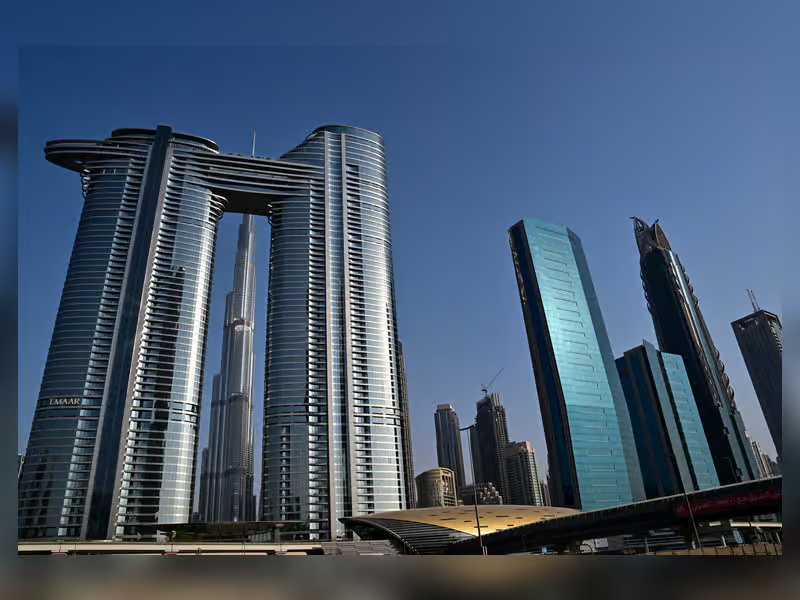
According to Altrata’s Billionaire Census 2026, the UAE was home to 52 billionaires in 2025, with a combined wealth of $201 billion, ranking it among the world’s top 15 billionaire markets. However, the country’s billionaire population declined by 1.9% year-on-year.
The UAE ranked 15th worldwide in billionaire population, trailing Saudi Arabia, which had 59 billionaires worth a combined $175 billion. The UAE’s billionaires represented approximately 1.4% of the global total of 3,795, while their $201 billion fortune accounted for about 1.3% of the world’s $15.1 trillion in billionaire wealth.
Dubai among world’s top billionaire cities
Dubai ranked joint eighth among the world’s cities by billionaire population in 2025, tying with Shenzhen. The emirate was home to 43 billionaires, two more than a year earlier, ranking behind New York, Hong Kong, San Francisco, London, Singapore, Los Angeles and Beijing.
Altrata said the distribution of global billionaire wealth is being shaped by the globalisation of business and technology, alongside the increasing mobility of capital. Major cities continue to attract wealthy individuals due to their access to entrepreneurial networks, financial services and high-end lifestyle infrastructure.
Dubai and Istanbul were highlighted as notable billionaire hubs, reflecting the growing prominence of major Asian and emerging wealth centres in the global rankings.
UAE benefits from diversification
The UAE’s strong position comes as the wider Middle East recorded modest growth in its billionaire population in 2025. The region was home to 254 billionaires, a 5 per cent increase from the previous year.
Altrata attributed the growth to economic diversification beyond oil and large sovereign infrastructure programmes, which have helped drive capital inflows and create new wealth, particularly in Saudi Arabia and the UAE.
However, total billionaire wealth in the Middle East declined 4 per cent to $700 billion during the year, amid weaker energy prices and underperforming regional equity markets. Oil prices ended 2025 almost 20 per cent lower, marking their largest annual decline since 2020, according to the report.
Globally, the billionaire population rose 8.2 per cent in 2025 to a record 3,795 individuals, marking its strongest annual growth in five years. Their combined wealth surged 12.8 per cent to $15.1 trillion.
The US remained the world’s largest billionaire market, with 1,265 billionaires, followed by China with 363 and Germany with 221. The top 15 billionaire countries accounted for 83 per cent of global billionaire wealth.
AI drives global billionaire wealth
Artificial intelligence also emerged as a major driver of billionaire wealth. Among 150 listed companies that contributed most to billionaire fortunes, those that made meaningful investments in AI recorded 23 per cent higher market-capitalisation growth than companies that did not over the combined 2024–25 period, Altrata said.
Wealth has also become increasingly concentrated at the very top. The world’s 29 billionaires with fortunes exceeding $50 billion held a combined $4.1 trillion in 2025, equivalent to 27 per cent of total billionaire wealth, up sharply from 7.2 per cent in 2017.
Altrata noted that billionaire fortunes are typically concentrated in company ownership rather than cash, making stock-market performance and business valuations key factors influencing their net worth.
About 73 per cent of the average billionaire portfolio is held in stakes in listed or privately owned companies, while liquid assets account for roughly a quarter of their portfolios.
The report also found that one in five billionaires globally was born outside the country where they currently reside and where their primary business is based, underscoring the increasingly mobile nature of global wealth.

