

Back-to-school season begins as families swap relaxed summer mornings for early starts, ease first-day nerves and prepare children for the academic year ahead.
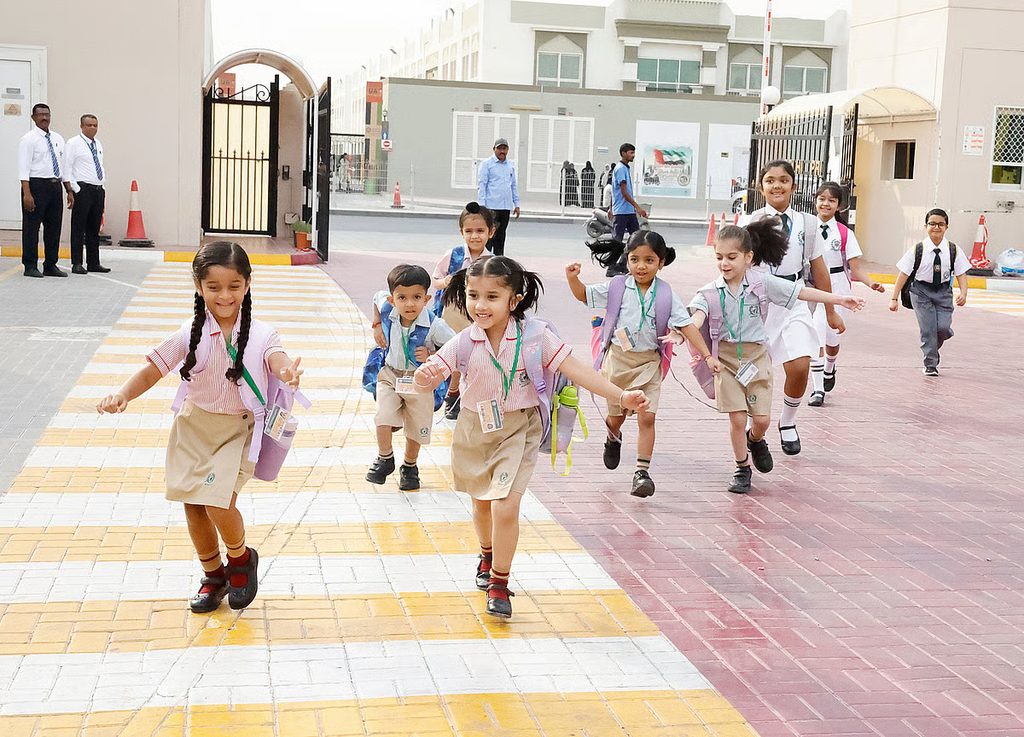
For many families, Monday brings back early mornings, packed school bags and daily school runs after the long summer break. Some schools are introducing a phased return, with kindergarten pupils, new students and parents attending orientation sessions before senior students resume classes later.
As the new academic year begins, families are readjusting their routines, managing first-day nerves and preparing children for the months ahead.
This morning represents more than a return to classrooms. Students are beginning an academic year marked by several major changes, including the removal of traditional homework for pupils from kindergarten to Grade 2, stricter rules governing digital devices for Grade 6 public-school students, broader Arabic-language assessments and revised teaching and evaluation methods.
For parents, preparation begins at home by restoring regular routines and reassuring children about the year ahead.
Parents prioritise routine and reassurance
Neha Bhagwat, who works in school administration, believes a consistent morning routine is essential for staying organised during the academic year.
She wakes up 30 minutes before her children to enjoy a quiet cup of tea. She then prepares breakfast, which the family eats together before getting ready for school.
This year is particularly significant for Bhagwat because her younger son is entering Year 6, his final year of primary school, and taking on the responsibility of house captain. Although both her sons are excited to see their friends and return to a structured routine, the younger one is slightly nervous about his new leadership role.
Bhagwat has reassured him that he does not need to have everything worked out immediately. She believes parents can prevent children from feeling overwhelmed by preparing uniforms, bags and stationery in advance and gradually restoring earlier bedtimes.
According to her, when parents appear organised and confident, children are more likely to feel secure and positive about returning to school.
Dubai mother Mona Haddad shared a similar experience, saying her 10-year-old son initially struggled to wake up after the long holiday. However, his enthusiasm returned once he got dressed and began thinking about meeting his friends and sharing stories from the summer.
Older pupils may face additional pressure as they enter more demanding academic stages. Year 11 student Oliver Wilson said the prospect of examinations made the new year feel more serious. Despite anticipating greater pressure, he was pleased to reconnect with friends and return to a proper routine—although he was still adjusting to the early mornings.
From family calendars to healthier routines
As the academic year progresses, families must keep track of numerous notices covering examinations, activities, sports events, study sessions and non-uniform days.
Some parents recommend placing a shared family calendar in a visible location. Moldovan expatriate Elena Rusu uses an academic-year calendar with separate sections for each family member, recording everything from meal plans and extracurricular activities to school events and examination dates as soon as notices arrive.
Helping children stay healthy
Doctors say it is normal for children to feel more tired during the first few days of school as they adapt to earlier mornings and busier schedules.
Dr Abin Vijayan, a specialist paediatrician at Prime Medical Center’s BurJuman branch, explained that changes in sleeping patterns, increased concentration, social interaction, physical activity and homework can temporarily reduce children’s energy. Mild tiredness should generally improve within a few days as they settle into the new routine.
Adequate sleep plays an important role in that adjustment. Dr Mamata Bothra, a specialist paediatrician and neonatologist at International Modern Hospital Dubai, said school-aged children usually require between nine and 12 hours of sleep, while teenagers need eight to 10 hours.
Insufficient sleep can appear as tiredness, irritability, hyperactivity, poor concentration or changes in behaviour. She also recommended a balanced breakfast containing protein, whole grains, fruit and vegetables, while limiting junk food and sugary drinks.
With temperatures remaining high across the UAE, hydration is equally important. Parents are advised to pack water bottles and encourage children to drink regularly throughout the day instead of waiting until they feel thirsty.

