

Disruptions at Two Key Chokepoints Force Costly Detours, Driving Global Energy Prices Higher.
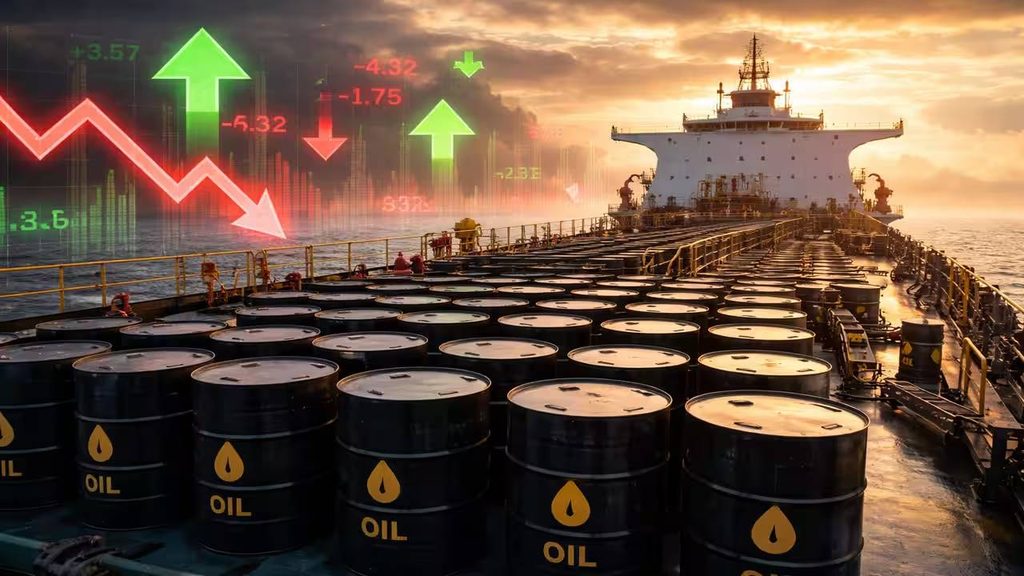
Oil prices advanced on Tuesday, September 29, 2026, after US President Donald Trump rejected an Iranian proposal to reopen the Strait of Hormuz, keeping concerns over global energy supplies elevated.
Brent crude rose 1.4 per cent to around $106.80 a barrel, while US West Texas Intermediate (WTI) gained 1 per cent to approximately $93.50 during morning Asian trading at 10.19am Beijing time.
Abu Dhabi’s Murban crude recorded stronger gains, climbing 3.4 per cent to $116.90. The increase reflected tighter Gulf supplies and rising freight costs following weeks of shipping disruptions and a Saudi pipeline outage that restricted crude exports through the Red Sea.
Natural gas prices also edged higher, gaining 0.9 per cent to $3.13 as traders assessed continuing Middle East tensions alongside seasonal demand.
Strait of Hormuz remains largely closed
Trump’s rejection of Iran’s proposal to reopen the Strait of Hormuz within seven days has kept the crucial global oil shipping route effectively closed.
Commercial shipping traffic through the strait is currently estimated to be around 75 to 90 per cent below levels recorded before the conflict, according to the UK Maritime Trade Operations Centre (UKMTO).
The disruption has continued since fighting began on February 28, forcing many tankers to remain idle, take longer alternative routes or use a limited number of authorised shipping corridors.
Meanwhile, Iran’s Gulf Strait Authority has cautioned vessels against travelling through unauthorised routes, warning that ships doing so could face consequences.
Red Sea and Bab al-Mandab face mounting pressure
With the Strait of Hormuz largely blocked, Saudi Arabia has become increasingly reliant on pipelines carrying oil towards the Red Sea and on shipping through the Bab al-Mandab Strait.
However, the Red Sea gateway is also facing growing pressure from Houthi attacks, which have reduced weekly vessel transits to around 25 ships, down from higher levels recorded before the conflict.
Analysts have warned that continued disruption around Bab al-Mandab could create a second major pressure point for global shipping. More carriers could be forced to avoid the Red Sea and instead sail around Africa via the Cape of Good Hope.
Such diversions can add significant time to voyages while increasing fuel, freight and insurance expenses, adding further costs to global energy and cargo transportation.
Impact on global trade and energy markets
The combined disruptions around the Strait of Hormuz and the Red Sea are putting additional pressure on global energy supplies and shipping networks.
Oil benchmarks have moved above $100 a barrel at times amid tighter supplies and uncertainty over key Middle East shipping routes. Prolonged disruptions could also add to inflationary pressures by increasing transportation and energy costs, potentially affecting fuel prices as well as goods that rely on these trade corridors.
Unless an agreement allows the Strait of Hormuz to reopen or safer passage through Bab al-Mandab is secured, shipping companies are likely to remain cautious about using the highest-risk routes.
Continued diversions could therefore keep freight costs elevated and extend delivery times for energy supplies and other cargo moving between Asia, Europe and the Americas.

