

Kotor, Budva and Skadar Lake travel guide: Top attractions, expenses and tips for visitors.
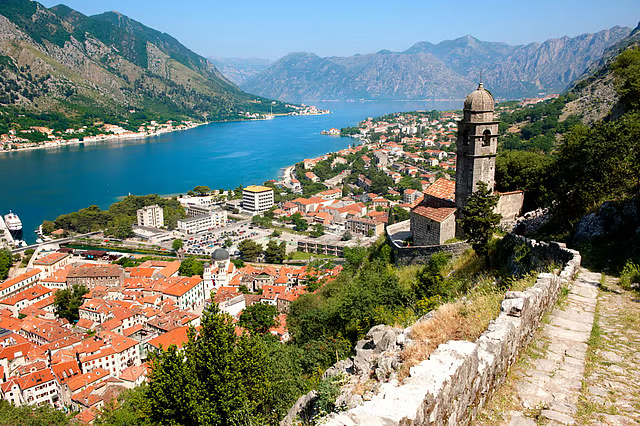
Dubai: Montenegro is a destination that feels much larger than its size suggests. Despite being roughly comparable in area to a large emirate, the country offers a remarkable variety of experiences — from medieval fortified towns and a fjord-like bay to dramatic mountain landscapes, national parks and a scenic stretch of Adriatic coastline — all within a few hours’ drive.
For UAE residents looking for a change of scenery without a lengthy journey, Montenegro offers a compact European getaway where travellers can experience diverse landscapes and attractions in a short break.
Here’s a guide to making the most of your trip, along with an approximate idea of what it may cost.
Explore Kotor’s old town
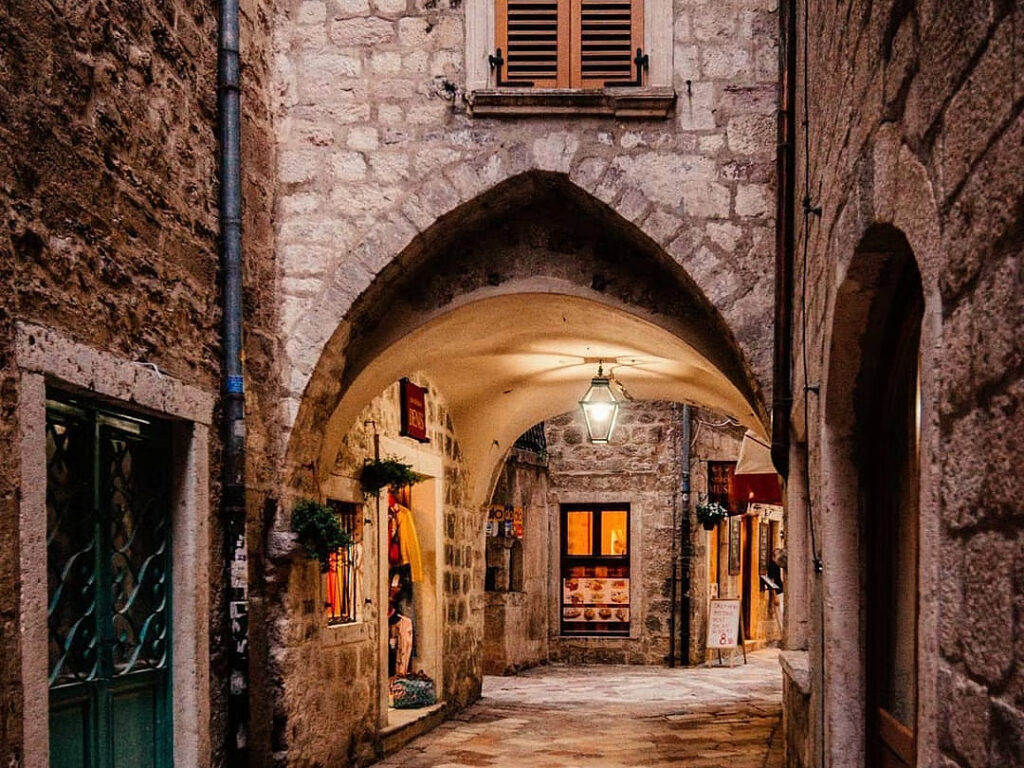
The natural place to begin, and for good reason. Kotor’s UNESCO-listed old town is a captivating maze of narrow cobblestone streets, historic stone churches and charming squares where visitors can pause for a coffee and watch the world go by.
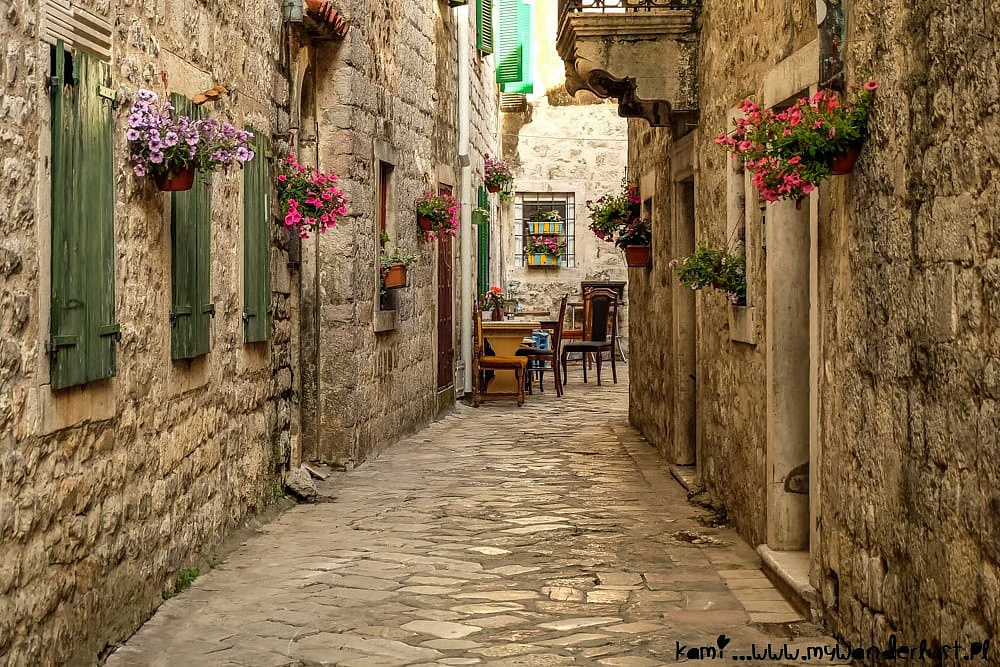
Exploring the old town itself is free, making it an ideal way to spend a relaxed half-day while taking in its history and atmosphere.
Hike up to San Giovanni Fortress
Rising above Kotor, San Giovanni (St John’s) Fortress is reached via a winding trail of around 1,350 steps, offering increasingly impressive views of the bay with every climb. The panoramic scenery from the top is the main attraction and makes the effort worthwhile.
For a more comfortable hike, start early in the morning or head up in the late afternoon to avoid the midday heat and peak cruise-ship crowds. In the early hours, the mountain shade helps keep the trail cooler, especially before around 9am.
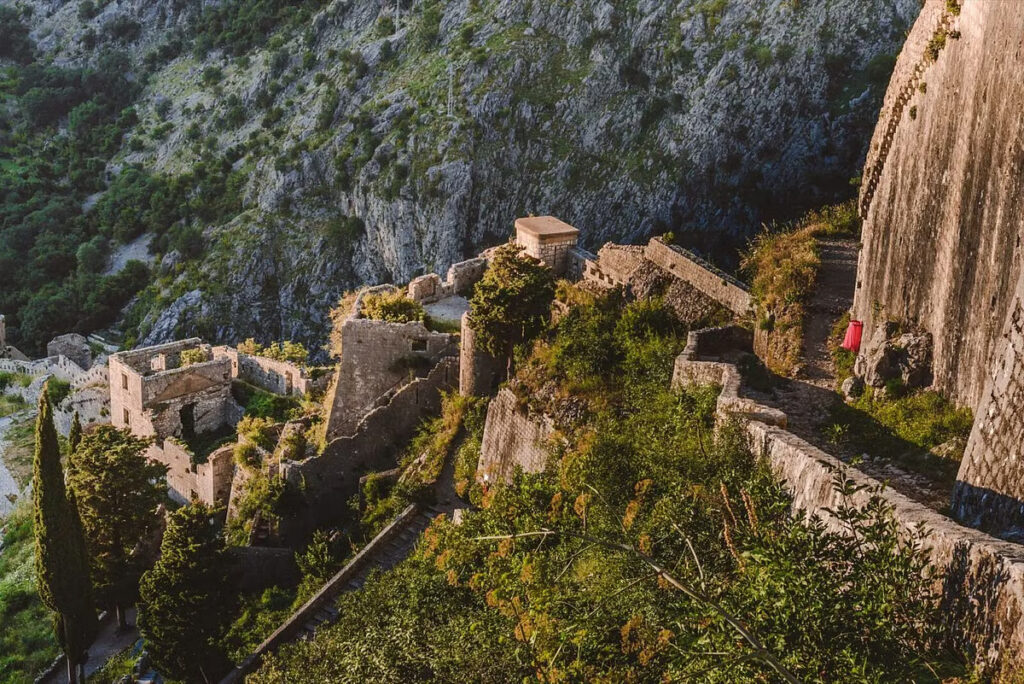
Cost: Around €15 (approximately Dh60) at the main entry gates during the peak season from April to October. In previous years, some lower wall sections or off-season access were available for around €8, but the official fee at the main checkpoint has increased to €15.
Take a boat trip across the Bay of Kotor
Often described as Europe’s southernmost fjord, the Bay of Kotor is best appreciated from the water. Boat tours typically include stops at Perast and the small artificial island of Our Lady of the Rocks, home to a historic church and a small museum.
With its dramatic mountains, calm waters and historic landmarks, the bay offers one of Montenegro’s most iconic postcard views.
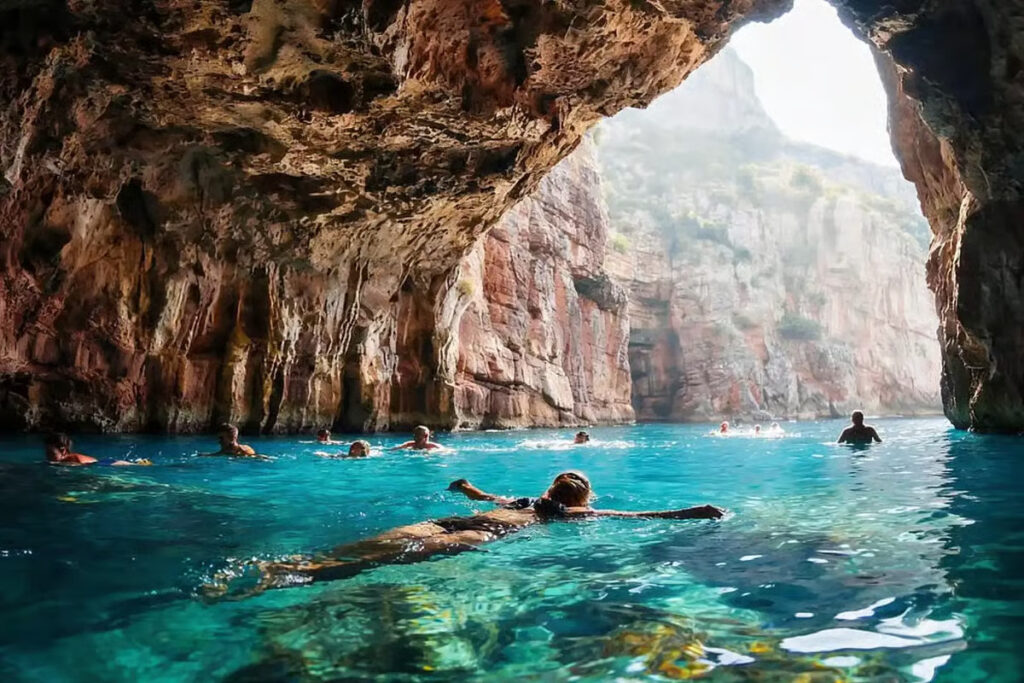
Cost: Around €5 (approximately Dh20) for the boat trip to Our Lady of the Rocks, so it is useful to carry some cash. Entry to the island museum costs about €1 (around Dh4).
Spend a day in Budva
Located around 30 minutes south of Kotor, Budva offers a livelier coastal experience, with a wider selection of beaches, restaurants and nightlife. Its historic old town has its own fortified charm, while the surrounding coastline makes it a popular choice for travellers looking for a mix of sun, sea and entertainment.
Many visitors choose to explore Budva as a day trip from Kotor, keeping Kotor as their main base while enjoying Budva’s more energetic atmosphere.
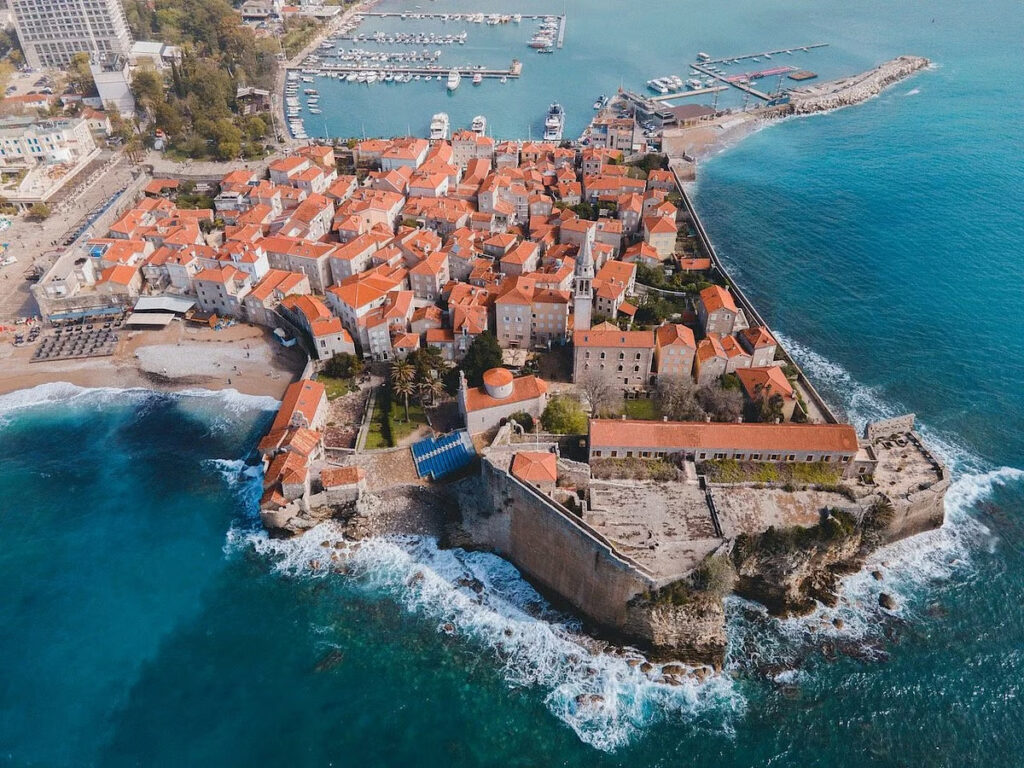
Cost: Bus tickets between Kotor and Budva are affordable, typically costing around €3 to €5 (approximately Dh12 to Dh20) each way.
Escape to Skadar Lake
For a slower-paced experience, head to Skadar Lake, the largest lake in Southern Europe and a haven for birdwatchers. Stretching across Montenegro and Albania, the lake is known for its tranquil waters, dramatic karst mountains and abundant wildlife.
Boat tours take visitors through waterways lined with water lilies, offering opportunities to spot birds such as pelicans and herons along the route. Trips usually depart from Virpazar or Rijeka Crnojevića and typically last between two and three hours.
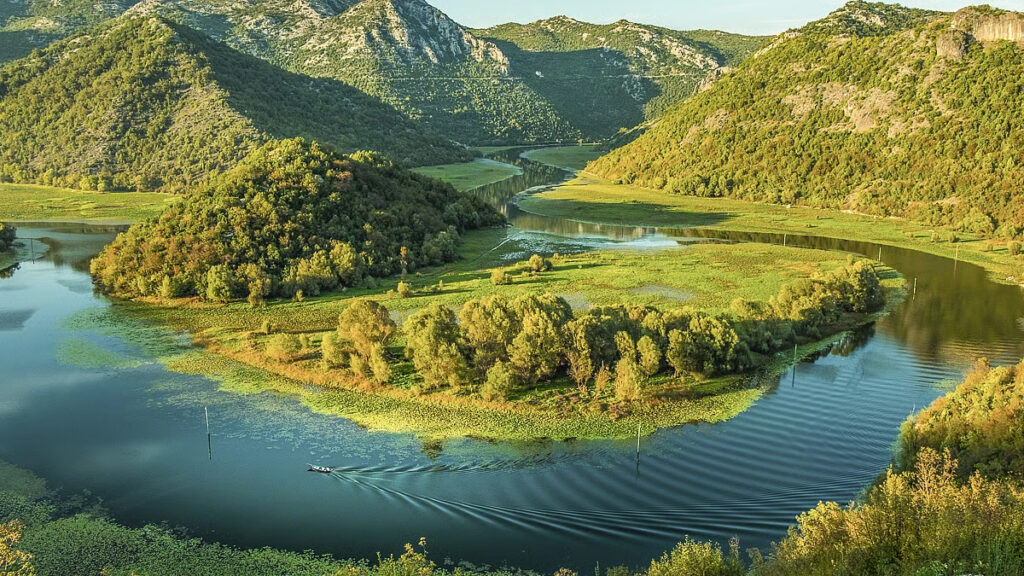
Cost: From around €20 (approximately Dh80) per person.
Explore Montenegro’s inland landscapes and cuisine
Montenegro’s interior offers a completely different experience from its coastal towns — quieter, greener and generally more affordable. The regions around Lovćen National Park, Cetinje (the former royal capital) and Njeguši are popular for food and culture-focused excursions, often combining winery visits with opportunities to sample local specialities.
Renting a car is the best way to explore the countryside at your own pace, allowing you to discover mountain roads, traditional villages and scenic viewpoints beyond the coast.
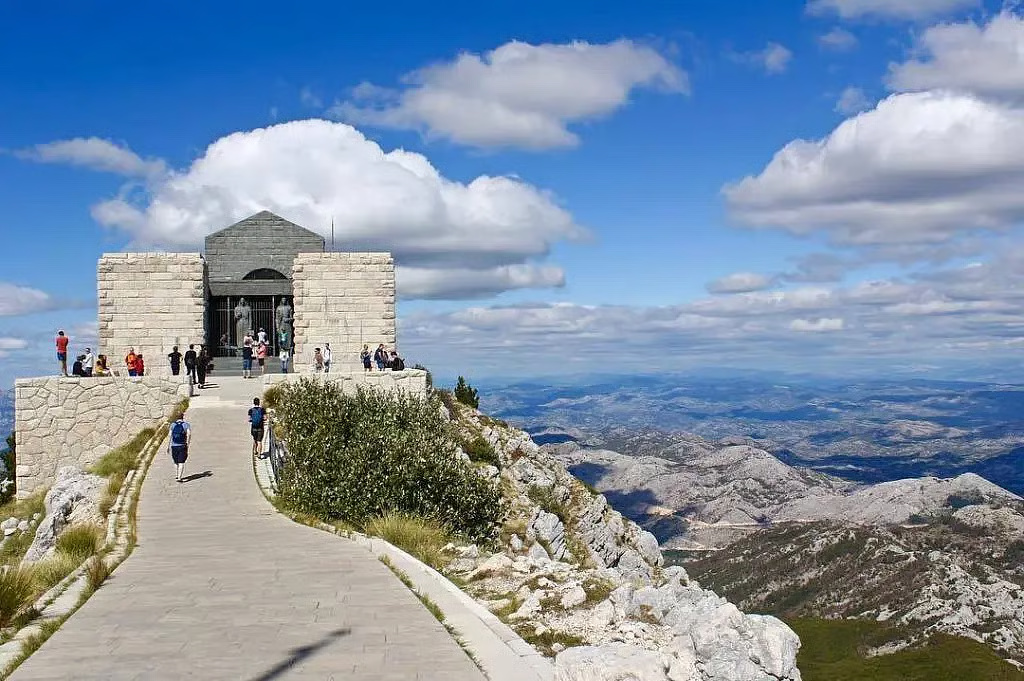
Cost: Car rentals typically range from around €25 to €40 (approximately Dh100 to Dh160) per day during the shoulder season, increasing to about €40 to €60 (around Dh160 to Dh240) per day in August.
Budgeting tips
Montenegro’s costs can vary significantly depending on where and when you travel. The coastal areas become noticeably more expensive during the peak summer season, with prices closer to those of other popular European destinations, while the inland regions remain considerably more affordable.
As a general guide for 2026:
- Budget travel: Around €40 to €60 (approximately Dh160 to Dh240) per day, covering hostel accommodation, inexpensive meals and public transport.
- Mid-range travel: Around €128 (about Dh510) per day for a private room or comfortable hotel stay, restaurant dining and occasional tours.
- Luxury travel: Around €297 (approximately Dh1,180) per day or more for four-star accommodation, private experiences and premium services.
Food costs in Montenegro
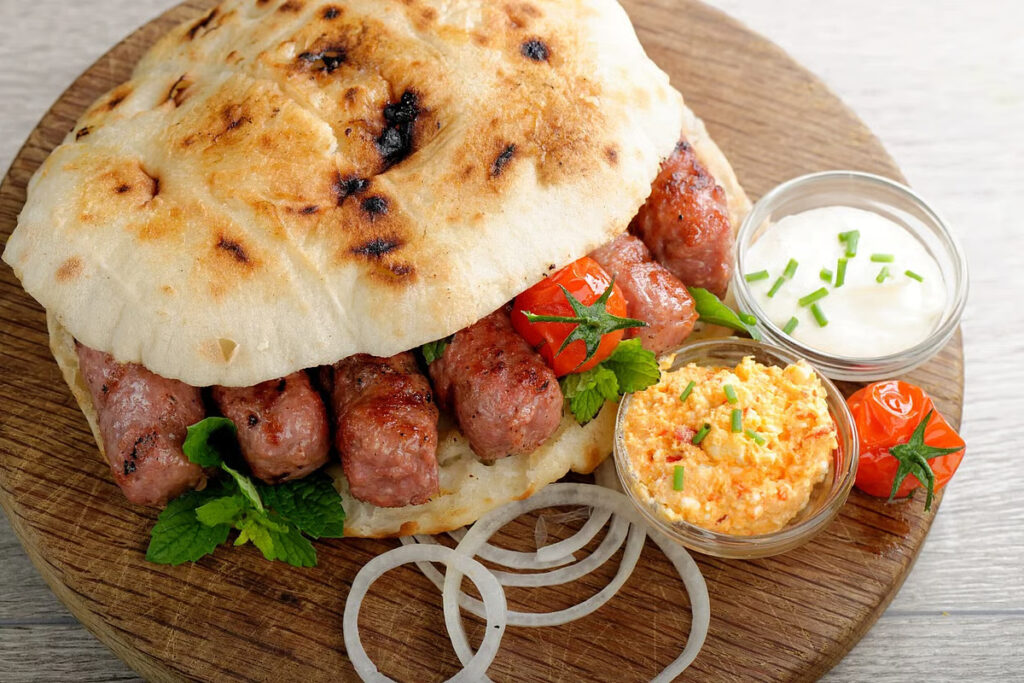
When it comes to dining, Montenegro can be surprisingly affordable, especially if you move away from the busy waterfront restaurants aimed at tourists. Local eateries offer excellent value, with a plate of ćevapi — grilled minced-meat sausages served with flatbread, onions and kajmak — costing around €4 to €6 (approximately Dh16 to Dh24) and often enough for a complete meal.
Family-run taverns, known as konoba, along with bakeries selling traditional burek pastries, are good options for keeping food expenses low, with meals typically costing around €5 to €12 (about Dh20 to Dh48) per person.
However, dining at popular tourist restaurants in places such as Kotor or Budva during the peak summer season can be considerably more expensive, with meals averaging closer to €38 (around Dh150).
Accommodation options in Montenegro cover a wide range of budgets, from hostel dorms costing around €19 to €27 (approximately Dh76 to Dh108) per night, to mid-range hotels and private rooms priced at around €50 to €80 (Dh200 to Dh320). At the luxury end, five-star stays around Porto Montenegro’s marina can exceed €200 (Dh800) per night.
Notes for UAE travellers
Montenegro uses the euro, so it is useful to carry some cash before arriving. The country operates as a mix of cash and card payments rather than being fully cashless, and knowing when each option is accepted can make travel more convenient.
Cash and card payments in Montenegro
Where cash is essential:
Many independent taxi drivers do not accept cards, and cash is often needed when paying bus drivers directly or purchasing tickets at smaller stations. Bakeries (pekara) selling fresh burek, local produce markets and many small everyday purchases are also typically cash-based. Visitors should also carry cash for beach sunbed rentals, public toilets, parking attendants and tips.
As you travel further inland — towards areas such as Lovćen, Virpazar and the northern national parks — card payment facilities become less common.
Where cards are widely accepted:
Major supermarkets such as Voli and Idea in larger towns, hotels, higher-end restaurants, beach bars in destinations including Kotor, Budva, Tivat and Podgorica, as well as car rental companies and larger tour operators, generally accept cards without problems.
Money tips for travellers
Carry smaller euro denominations whenever possible. Taxi drivers and small businesses may not always have enough change for €50 or €100 notes, particularly early in the day, so keeping €5, €10 and €20 notes handy is useful.
Be mindful of ATM fees as well. Independent ATM networks such as Euronet can charge higher withdrawal fees, while local bank ATMs such as CKB or Erste may offer better options.
Best time to visit and additional costs
Beyond payment preferences, timing can make a significant difference to your trip. The summer months from June to August bring the warmest weather but also the highest prices and largest crowds. May and September are often considered ideal shoulder-season months, offering pleasant temperatures with fewer visitors.
Travellers should also factor in a small mandatory tourist tax, which is usually charged by accommodation providers at around €1 per night.
One final tip that many travellers share: make Kotor your base for its historic charm and atmosphere, then explore nearby destinations through day trips. And don’t be surprised if you find yourself wishing you had booked a full week rather than just a long weekend.

