

With “force majeure” lifted, Kuwait is preparing a phased resumption of oil supplies.
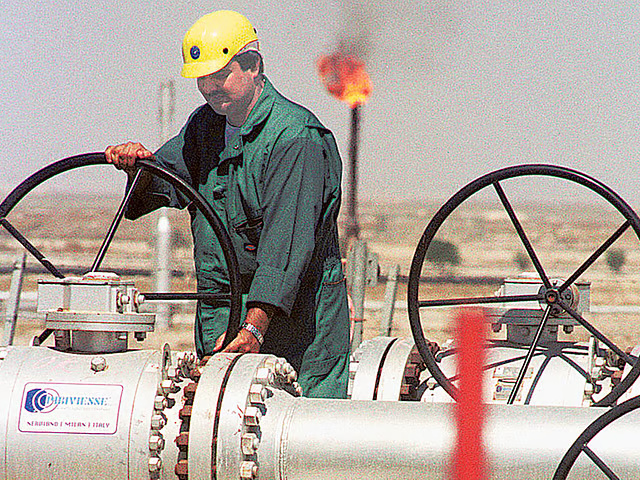
Kuwait is preparing a sharp increase in oil production, with plans to raise output to 2 million barrels per day within a week, according to Kuwait Petroleum Corporation (KPC) leadership—reflecting how quickly Gulf producers are responding to changing geopolitical and maritime conditions.
The announcement was made by Sheikh Nawaf Saud Al-Sabah, Deputy Chairman and CEO of KPC, who said the production ramp-up follows improved shipping conditions after reports of a Strait of Hormuz reopening under a U.S.–Iran understanding.
The KPC official added that all force majeure notices issued during the conflict would be lifted immediately, signaling the sector’s readiness to begin a phased return to normal operations and supply flows.
In a statement carried by the Kuwait News Agency (KUNA), Sheikh Nawaf said pre-war production levels could be restored “within weeks” once normal international shipping resumes to Kuwaiti ports.
He also noted that Kuwait’s oil sector has completed essential repairs to damaged energy infrastructure, enabling a faster-than-expected recovery of production capacity.
What is changing — and why it matters
If implemented, Kuwait’s planned increase toward 2 million barrels per day suggests the country is moving to fully utilise available spare capacity. It also reflects growing confidence that regional shipping risks are easing, at least for now.
The reopening of the Strait of Hormuz reduces the “risk premium” embedded in global oil prices. As tanker flows become more predictable, benchmark crude markets such as Brent tend to stabilise.
Coordinated Gulf response
Gulf producers typically adjust output in line with both OPEC+ strategy and geopolitical conditions.
A synchronized production increase from countries like Kuwait can significantly amplify global supply expectations and influence broader market sentiment.
Why Hormuz matters
The Strait of Hormuz is a narrow maritime chokepoint between the Persian Gulf and the Arabian Sea through which a large share of Middle Eastern crude exports flows. Because of its scale and strategic position, even small disruptions or perceived risks in the passage can have outsized effects on global energy markets.
Any sign of reopening or stabilisation of transit routes tends to quickly reduce shipping insurance premiums, shorten tanker delays and rerouting costs, and ease concerns about supply interruptions.
If these conditions persist, the combination of higher Gulf output and reduced shipping risk through Hormuz could result in short-term downward pressure on oil prices, improved supply availability for Asian importers, lower volatility in global energy markets, and increased fiscal flexibility for producers such as Kuwait.
However, analysts typically caution that these dynamics remain highly sensitive to geopolitical developments, and any breakdown in agreements or renewed tensions could rapidly reverse these gains.

