

Saudi Prince Calls on Iran to Prioritise Its Role as a Nation-State.
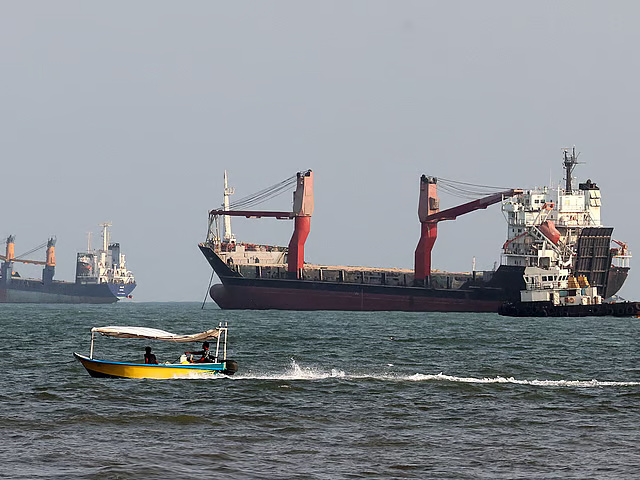
In a strongly worded opinion piece, Prince Turki Al-Faisal, the former head of Saudi intelligence and a prominent member of the royal family, warned that Iran’s efforts to use the Strait of Hormuz as a tool of diplomatic pressure could ultimately “backfire.”
“What Tehran sees as leverage could, over time, become a strategic liability,” he wrote, urging Iran to move away from revolutionary ideology and adopt the approach of a conventional nation-state.
“Iran must act as a nation-state rather than an international revolutionary movement.”
The article, titled “Strait Diplomacy: Where Is It Heading,” was published on Wednesday in the Saudi Gazette. It comes as US-Iran negotiations remain stalled following the collapse of a Memorandum of Understanding (MOU) on June 17, 2026.
The interim agreement had provided a 60-day window to halt hostilities that began with US and Israeli strikes on Iran on February 28, while also addressing Tehran’s nuclear programme, reopening the Strait of Hormuz, easing sanctions and lifting a US blockade.
However, deep mutual distrust and differing interpretations of the agreement — particularly Article 5 concerning the strait — ultimately derailed the process.
Prince Turki accused Tehran of interpreting the memorandum as giving it absolute sovereignty over the strategic waterway, while disregarding the rights of Oman and other Gulf states.
He said Iran subsequently resumed interference with navigation in the international waterway, which is protected under international law, even after the temporary lifting of the US blockade and the resumption of Iranian oil exports.
Iran’s attacks on commercial shipping ultimately contributed to the collapse of diplomatic efforts.
On July 22, US Secretary of State Marco Rubio said Iran’s continued attacks on commercial vessels had made a recent agreement with Tehran “invalid”. However, he stressed that Washington remained “open” to renewed diplomacy if Iran fulfilled its commitments.
“Iran’s renewed use of the Strait of Hormuz as a means of exerting international pressure and blackmailing its neighbours and the wider world will ultimately work against it,” Prince Turki said.
A parallel with the nuclear programme
Prince Turki compared Iran’s approach to Hormuz with its decades-long use of its nuclear programme as a source of diplomatic leverage. He argued that the strategy failed to win Iran recognition as a normal state and instead contributed to its growing international isolation — eventually leading to the very conflict it had sought to prevent.
He warned that applying the same “diplomacy of blackmail” to the Strait of Hormuz would produce a similar outcome, rather than delivering the strategic gains Tehran seeks.
The international community is unlikely to recognise Iranian sovereignty over the Strait of Hormuz, Prince Turki argued. He warned that continued efforts to assert control could weaken Tehran’s credibility, increase the risk of international isolation or future coalitions aimed at protecting global shipping, and encourage Gulf states to develop alternative trade routes that could gradually reduce the strait’s strategic importance.
“The interests of the region and the wider world would be best served by an Iran that behaves as a normal state, pursuing national interests that advance peace, development and prosperity for its people, while grounding its foreign policy in international law and accepted international norms,” Prince Turki wrote.
National interest
Nearly five decades after the 1979 revolution, Prince Turki argued that Iran’s leadership should recognise that the international system will not simply adapt to its ideological vision.
He pointed to China as an example, noting that Beijing retained its communist ideology while learning to engage with and operate within the international order — a path he suggested Iran could also pursue.
Prince Turki also praised Gulf leaders, particularly Saudi Crown Prince Mohammed bin Salman, for their diplomatic efforts in helping secure the original memorandum and later preventing further escalation.
He further pointed to the emerging “Makkah Agreement”, describing it as a defensive pact among states committed to regional stability and open to other countries seeking lasting peace.

