

The four-day event provides an engaging look at the UAE’s seafaring traditions.
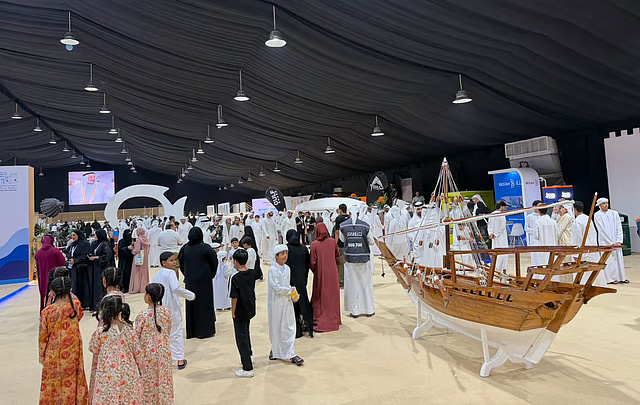
Sharjah: Long before skyscrapers, highways and modern ports reshaped the UAE’s coastline, the sea was at the heart of life for generations of Emiratis. They relied on its waters for fishing, built boats by hand, preserved their catch using traditional salting methods, and passed their maritime knowledge down through generations.
This weekend, that rich history is being brought to life once again at Al Hisn Island in Dibba Al Hisn.
The 13th edition of the Al Maleh and Fishing Festival began on August 27, bringing together more than 80 exhibitors. The event features around 20 government and private entities, over 50 productive families, and 10 companies specialising in fishing equipment.
Open from 9am to 9pm, the festival is more than a celebration of the past. It highlights how cultural heritage continues to strengthen communities, create economic opportunities and connect younger generations with the UAE’s maritime traditions.
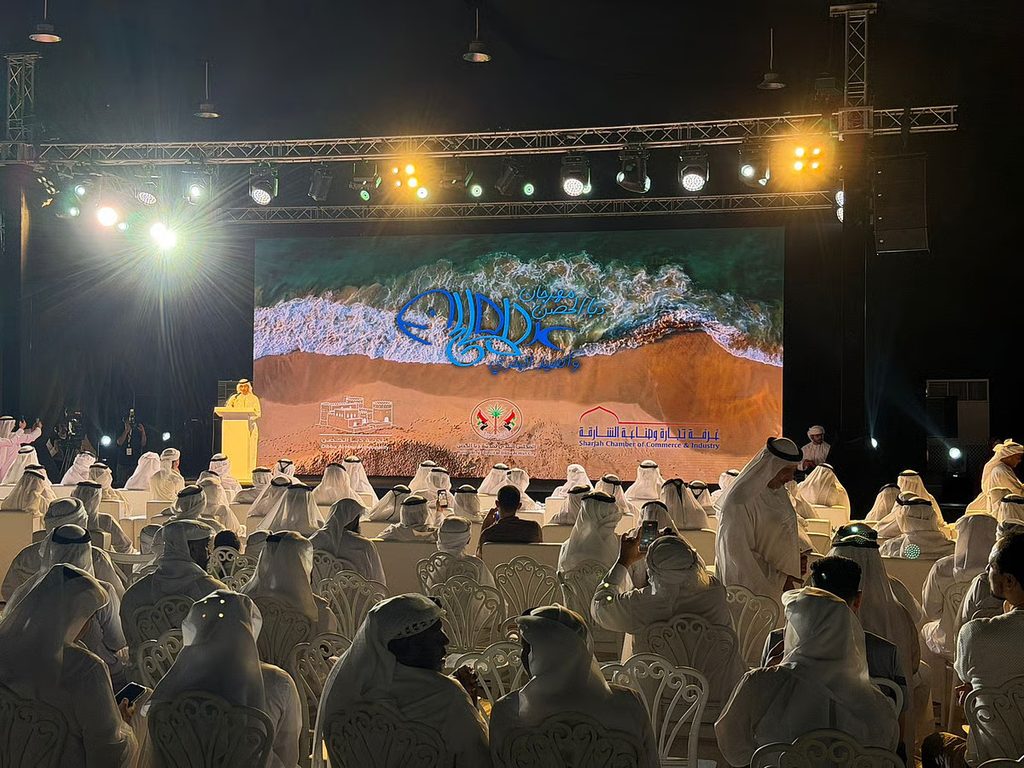
A journey back to the sea
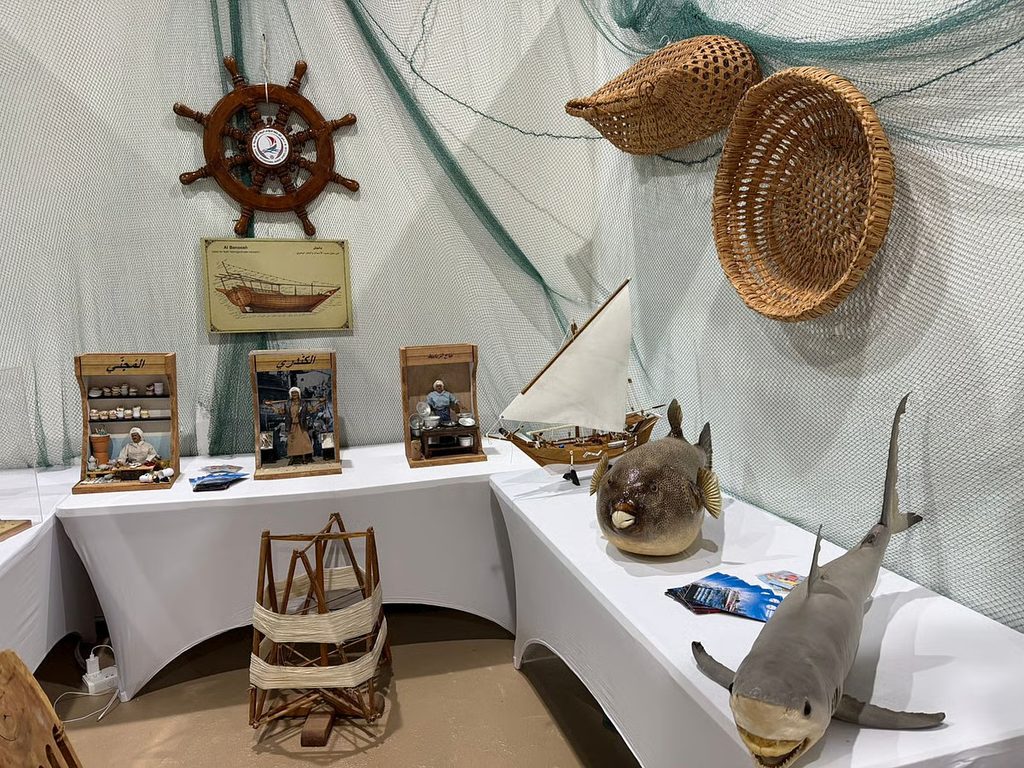
A walk through the festival offers a vivid glimpse into the UAE’s maritime past. Traditional boats once used for fishing and transportation are on display, along with fishing nets, tools and handicrafts crafted using skills passed down through generations.
Hessa Alhosani, Marketing and Communication Director at Sharjah International Marine Sports Club, said the club is showcasing a variety of traditional boats, handmade crafts and marine life, giving visitors a closer look at the region’s long-standing connection with the sea.
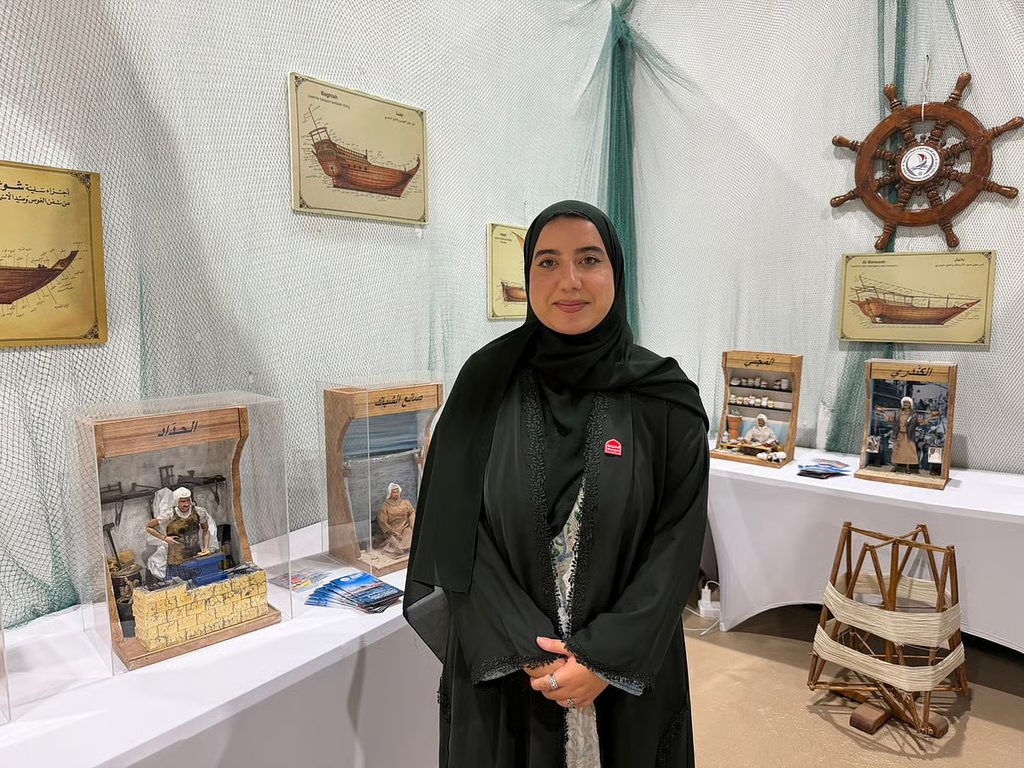
The initiative goes beyond preserving traditional artefacts, aiming to help younger generations appreciate the people, knowledge and craftsmanship that shaped the UAE’s maritime heritage.
“We are hosting several competitions, including a rowing competition that demonstrates how children first learn rowing techniques on land before taking them to the sea. We are also conducting workshops where children can learn basic first aid and explore diving sites across Sharjah, giving them an opportunity to discover the emirate from a different perspective,” Alhosani said.
Keeping tradition alive
For local families, heritage is more than something preserved for display. It is a living tradition that they continue to create, sell and share with visitors.
Sumaya Mohammed Ahmed Abdulla, the owner of Sour Tasty, is taking part in the festival for the fourth time.
Her range of products includes mango, garlic and lemon achar, Italian pasta spices, traditional Emirati dishes, Arabic coffee and mabooj.
For Abdulla, the reason for participating year after year is straightforward: the festival provides meaningful support for her family by helping them reach more customers.
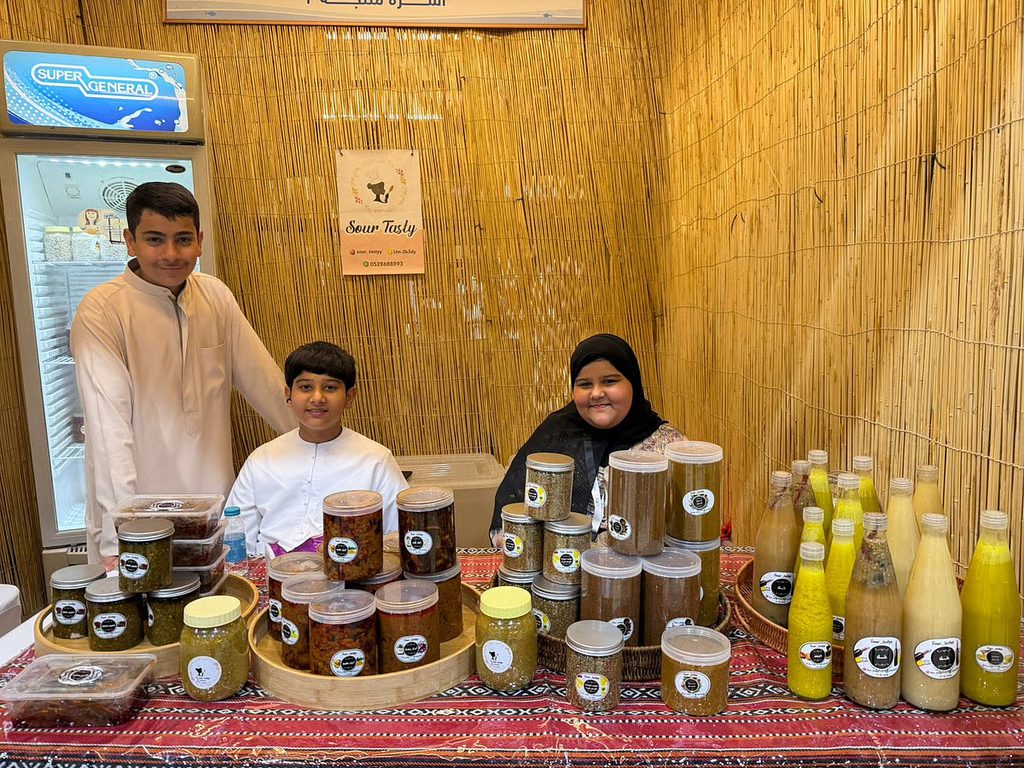
“It really helps our family when people buy from us,” Abdulla said.
A platform for growth
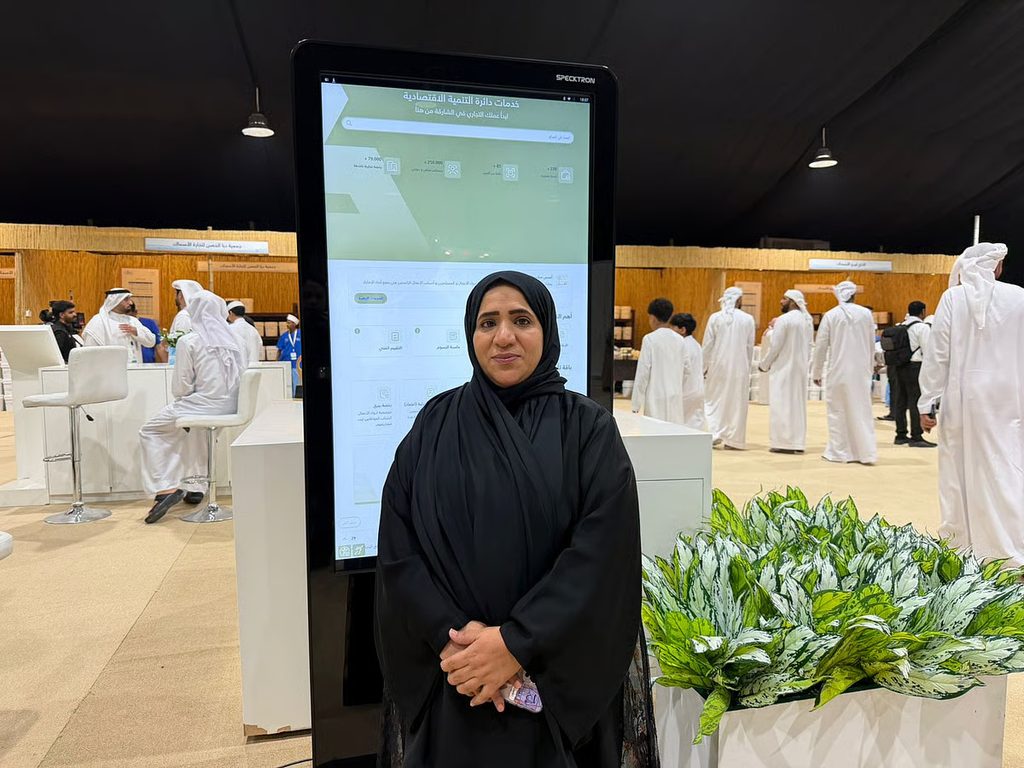
The festival’s role extends beyond preserving culture, also providing an important boost to local businesses and the wider economy. Wesal Sultan Sulaiman Ali Aldhuhoori, from the Legal Affairs Department of the Sharjah Economic Development Authority, said such events allow businesses to showcase and promote their products directly to the public, increase sales, and support local enterprises and productive families.
“The festival provides participants with an opportunity to connect with customers and investors, expand their customer base, and explore new avenues for business growth and long-term sustainability,” Aldhuhoori said.
Meanwhile, Sheikha Ahmed Aldhouri, Head of the Trade Names Section at the Sharjah Economic Development Authority, said the festival helps local businesses and productive families connect with new customers while creating opportunities to increase their income.
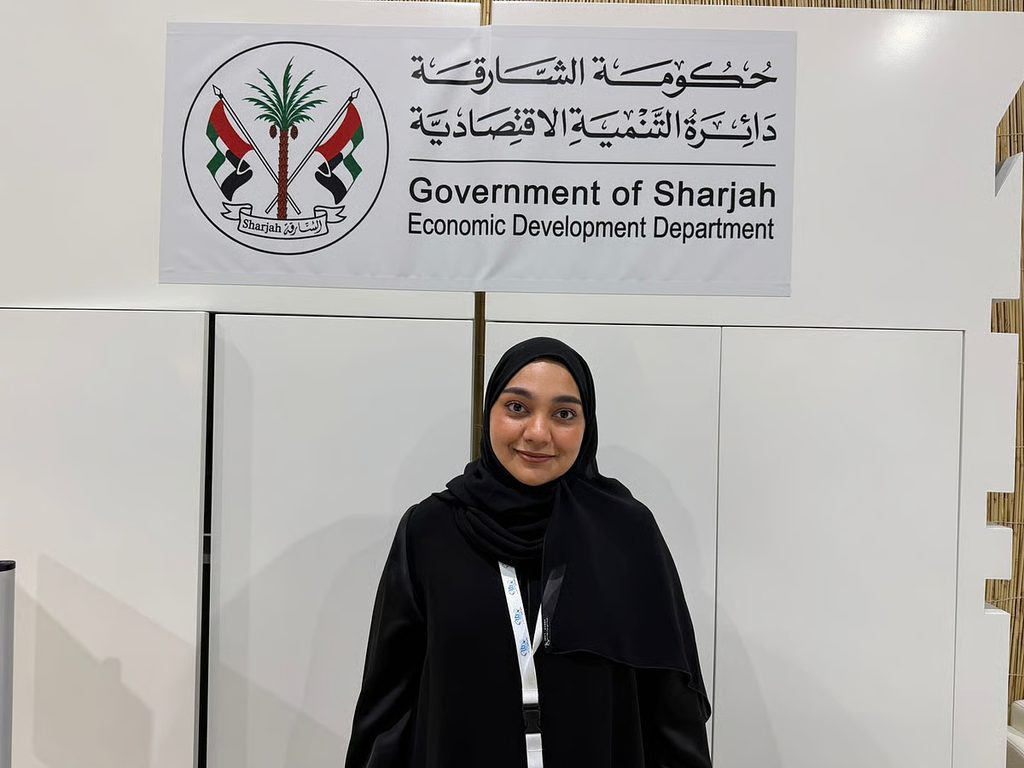
“It supports the growth of small and home-based businesses, promotes entrepreneurship and contributes to strengthening the local economy. For families, the festival offers an opportunity to take part in economic activities while preserving and showcasing their local traditions and heritage,” Aldhouri added.
From traditional fishing to the future of aquaculture
The UAE’s maritime story extends beyond its traditional past, with modern aquaculture also playing an increasingly important role. At the Ministry of Climate Change and Environment’s exhibition, visitors can view tanks featuring local fish species, including hamour and sheri.
“This festival benefits the UAE community by raising awareness of local fish species, supporting local businesses and highlighting the importance of aquaculture,” said Fatima Ali Boharoon, a research assistant at Gulf Aquaculture.
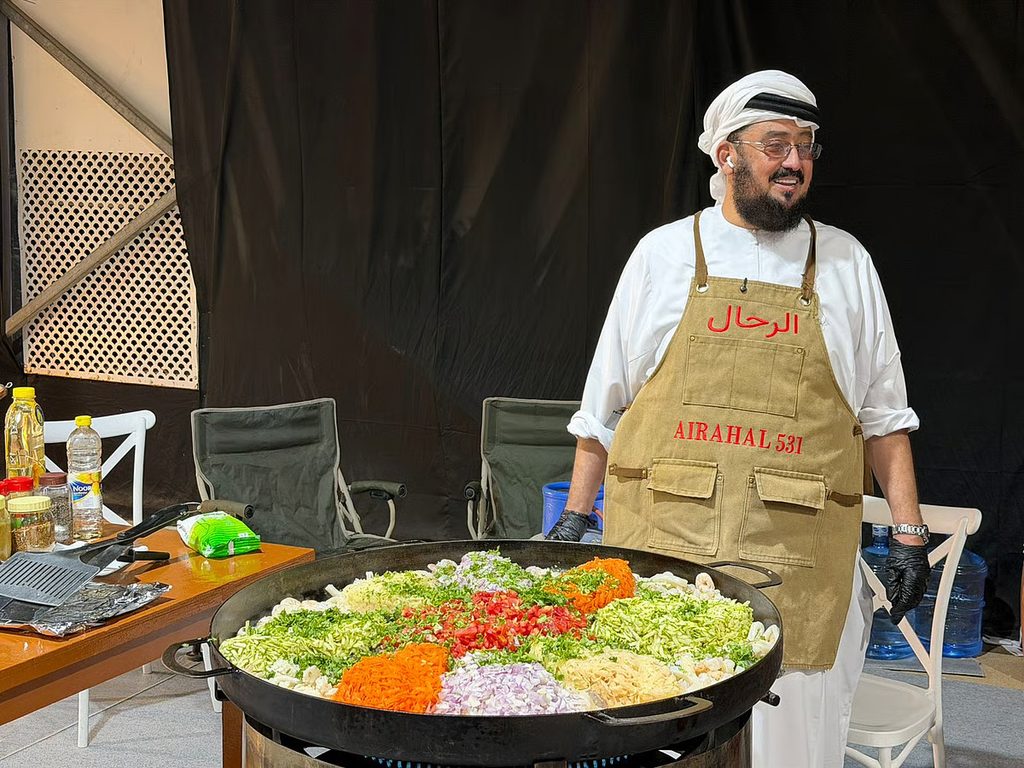
Moreover, the festival is filled with traditional foods, while folk groups perform chants and maritime songs that were once closely associated with fishing activities aboard traditional sailing vessels.
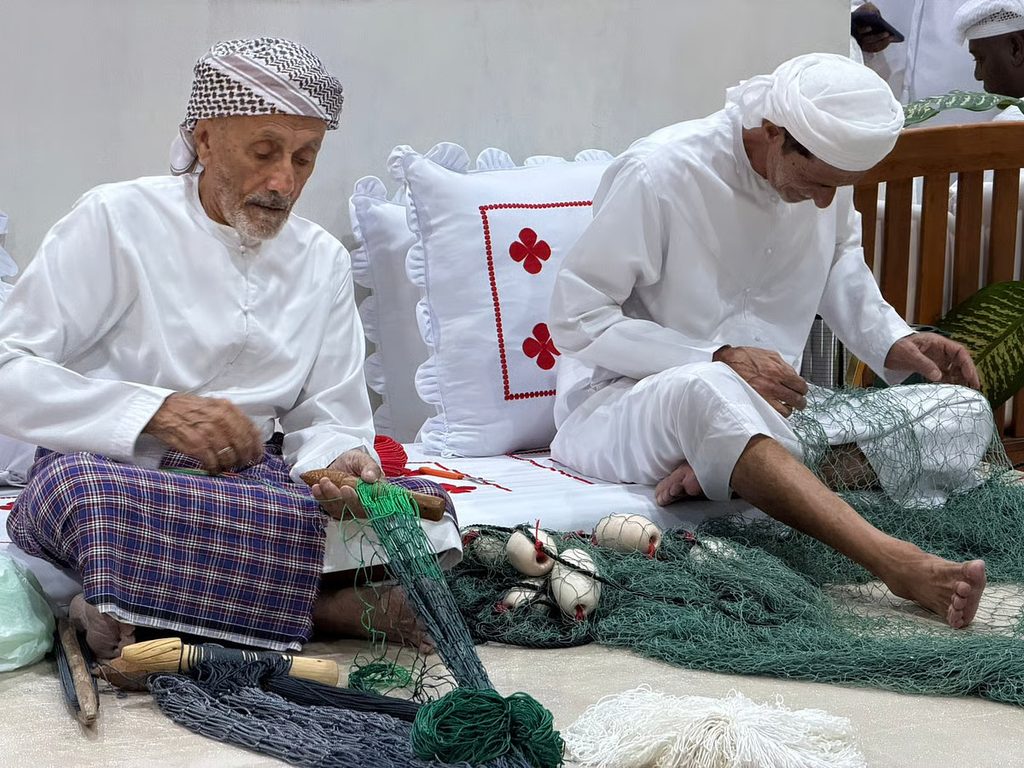
Poetry recitals and traditional performances have further enriched the festival atmosphere. Visitors can also watch demonstrations of traditional net-making and fishing boat construction, explore locally grown agricultural produce, and browse a variety of products created by productive families.
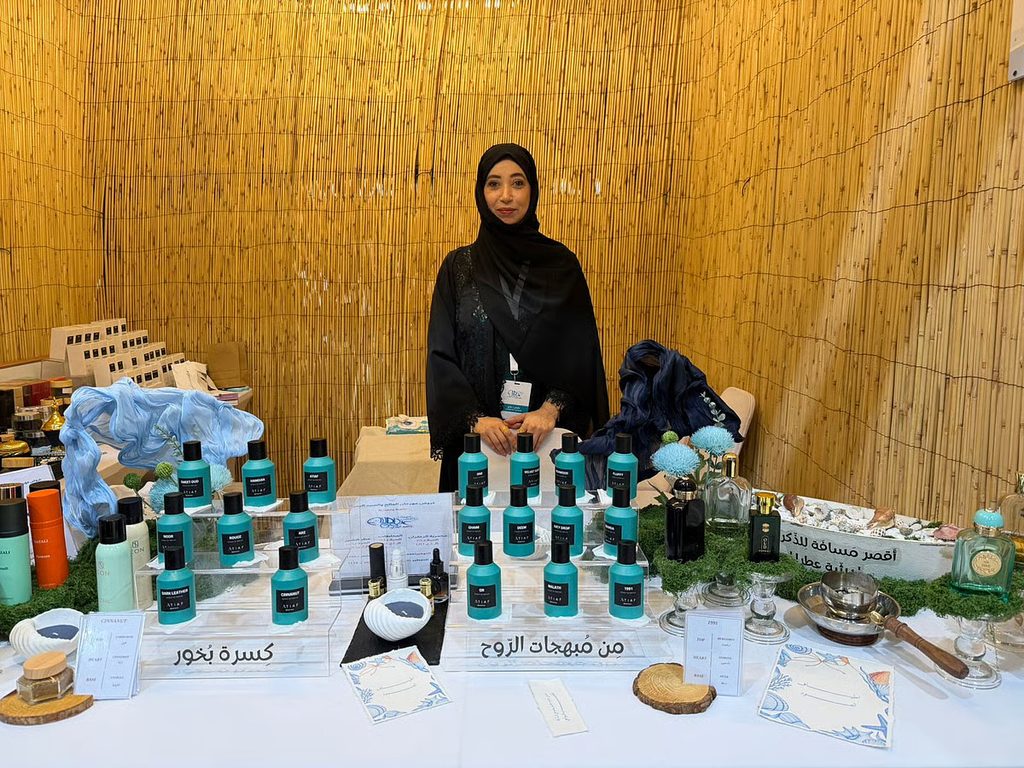
Manar Mohamed, owner of Atiaf Aloud, is among the exhibitors returning to the festival this year.
“I am delighted to participate in the festival for the second consecutive year following the success of our previous experience. Since visitors have a strong appreciation for fine fragrances, we have returned with an even wider selection of distinctive scents to suit different preferences,” Mohamed said.
The diverse range of exhibitors reflects the festival’s evolution beyond its origins as a fishing-focused event. Today, it has grown into a vibrant platform where heritage, family businesses and community life come together.
Passing heritage to the next generation
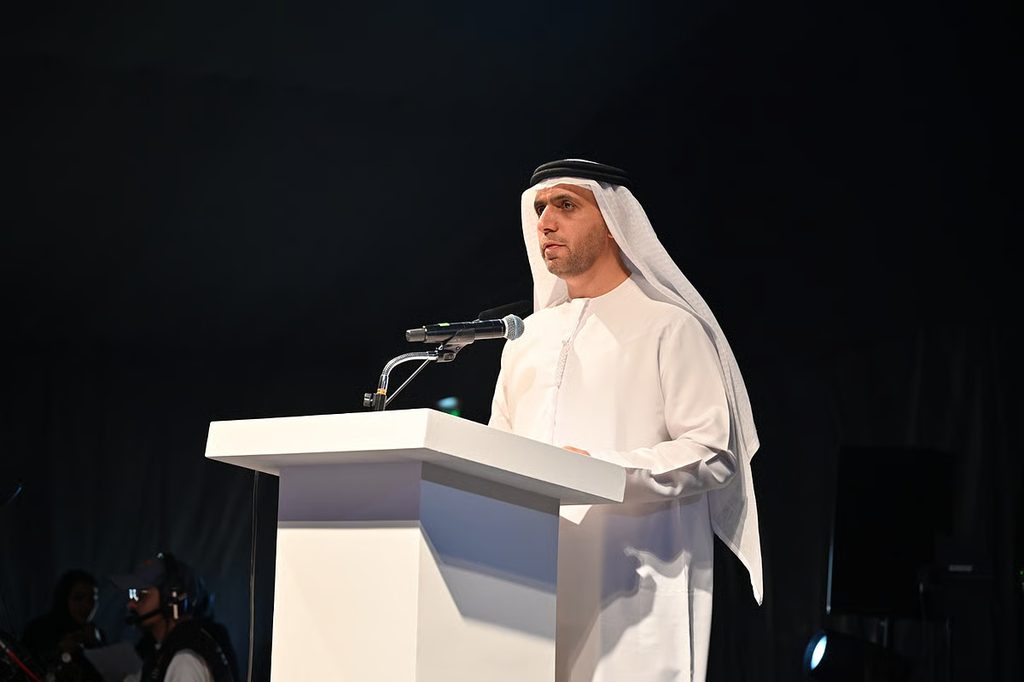
One of the festival’s strongest themes is its focus on preserving maritime traditions for future generations. Mohammed Ahmed Al Shehhi, a board member of the SCCI, noted that the festival’s 13-year journey reflects the “genuine partnership” between the SCCI and Dibba Al Hisn Municipality.
“The festival has grown beyond its seasonal beginnings to become an integrated event with strong social, cultural and heritage dimensions. It has also developed into an economic platform that passes the knowledge and expertise of fathers and grandfathers on to younger generations, while supporting the communities of Dibba Al Hisn and the Eastern Region,” Al Shehhi said.
This passing down of knowledge is evident throughout the festival, from the traditional tools on display and food-preservation workshops to rowing activities and live craft demonstrations, helping ensure skills that could otherwise fade over time continue to be preserved and taught to younger generations.
Why it is worth a visit
Visitors can explore the festival for its traditional cuisine, boats, fishing nets and handcrafted tools. Families can also bring children to take part in rowing activities, discover marine life and participate in heritage competitions.
The festival also offers an opportunity to support family-run businesses, discover locally made products and learn more about aquaculture in the UAE. But for those who spend a little more time exploring, the event offers something deeper — a chance to connect with the traditions, stories and skills that have shaped the UAE’s maritime heritage.
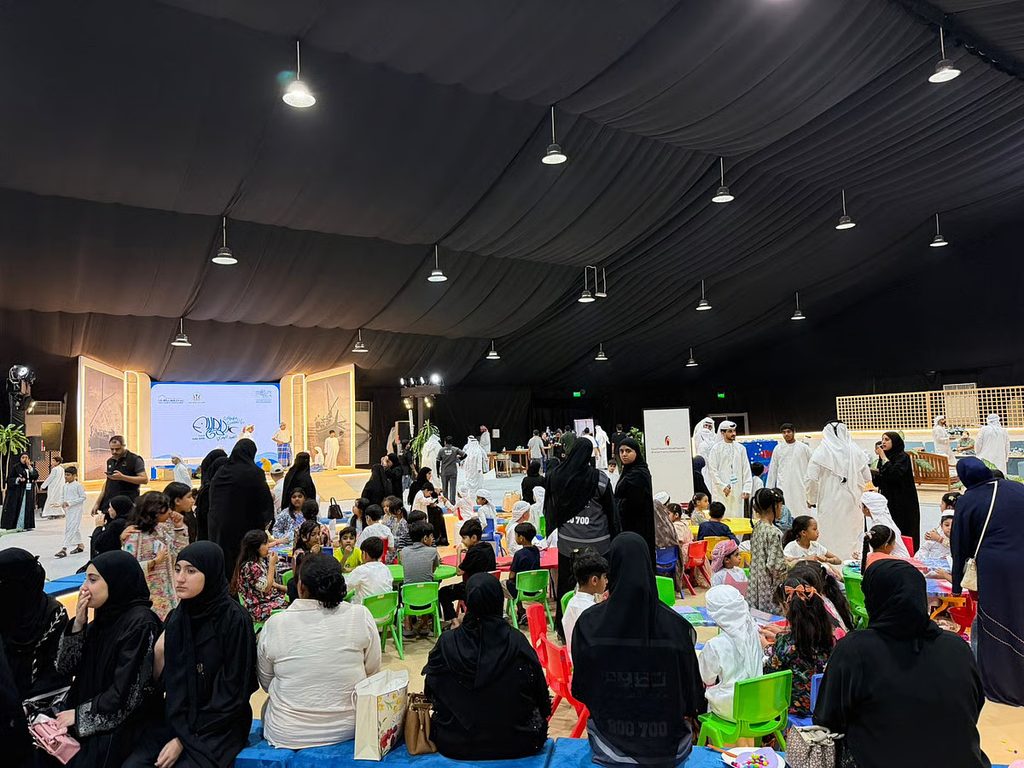
The festival tells the story of a country whose deep connection with the sea has shaped its communities, while highlighting the families working to ensure that this heritage continues from one generation to the next.
At Al Hisn Island, the past is not simply being preserved — it is being taught, experienced, crafted, shared, celebrated and passed on. The real reason to visit this weekend is to leave with more than an understanding of the UAE’s maritime heritage. It is an opportunity to see how traditions rooted in the past can continue to inspire the generations shaping the country’s future.

