

India-UAE flight fares on six routes drop by up to 64% for mid-September travel, but agents warn of a possible winter price surge.
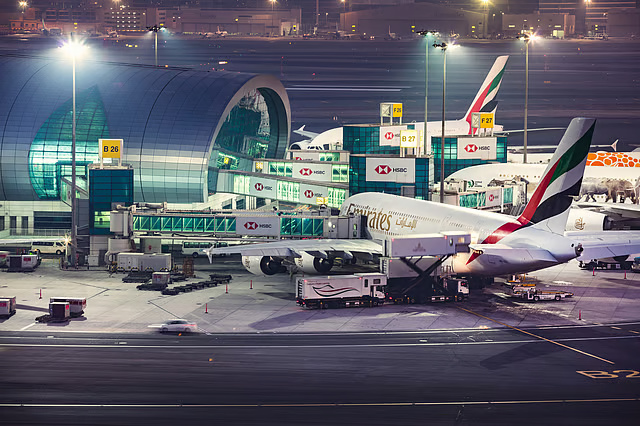
UAE residents returning from India could save more than Dh1,600 on a one-way flight by travelling after the peak summer holiday period, with fares on several popular routes currently up to 64 per cent lower for mid-September.
A comparison of direct one-way fares from six major Indian cities showed that tickets for September 13 were between 49 and 64 per cent cheaper than fares for August 30. Across the six routes, the average lowest fare dropped from about Dh2,089 to Dh894 — a saving of 57 per cent.
The sharpest drop was recorded on the Bengaluru route, where the cheapest direct fare fell from around Dh2,513 on August 30 to Dh914 on September 13, giving passengers a saving of nearly Dh1,600.
Fares from Delhi dropped from Dh2,227 to Dh825, while travellers flying from Kochi could save more than Dh1,200 by travelling in mid-September.
Travel agents said the decline comes as one of the busiest periods for India-UAE travel begins to ease. However, they cautioned that the cheaper fares may be temporary, with demand expected to pick up again as Dubai’s events calendar gets busier, followed by the UAE’s winter tourism season.
Fares fall sharply within two weeks
The comparison, based on fares checked on August 26, examined the cheapest available direct economy tickets for travel on August 30, September 6 and September 13.
The figures showed a steady decline in fares as the summer return rush weakened. Across the six routes, the average lowest fare dropped from about Dh2,089 for August 30 to Dh1,298 for September 6, before falling further to around Dh894 for September 13.
Hyderabad was another route where travellers could make significant savings. The cheapest direct fare fell from approximately Dh1,777 on August 30 to Dh1,162 on September 6 and Dh758 on September 13 — a decline of around 57 per cent between the first and last dates checked.
Mumbai recorded the smallest percentage drop among the six routes, although fares were still nearly half the late-August level. The cheapest ticket declined from around Dh1,460 on August 30 to Dh1,057 on September 6 and Dh739 on September 13, representing a fall of about 49 per cent.
Kerala travellers could save more than Dh1,200
The drop was also substantial on routes from Kerala, which see heavy passenger traffic to the UAE.
From Kochi, the cheapest direct fare available for August 30 was around Dh2,272. It fell to Dh1,387 for September 6 and Dh1,057 for September 13, making the mid-September fare more than 53 per cent cheaper.
Kozhikode recorded a similar trend. The cheapest fare declined from around Dh2,285 on August 30 to Dh1,608 on September 6 before dropping to Dh1,070 on September 13.
Based on the fares available when conducted its checks, passengers travelling from either Kochi or Kozhikode could save more than Dh1,200 by choosing the later date.
Why fares remain high until September 10
Bharath Aidasani, managing partner at Pluto Travels, said demand is expected to remain strong until around September 10 as UAE residents continue returning from India following their summer holidays.
“This is traditionally one of the peak travel periods on India-UAE routes, with families trying to get back before schools reopen and regular work schedules resume,” he said.
“Once this rush eases after September 10, demand usually softens and airfares begin to fall. Travellers who have flexibility with their return dates can therefore find significantly lower fares by travelling after the peak period.”
Cheaper fares may not last
However, passengers waiting for lower fares could have only a limited window before demand begins to rise again.
Subair Thekepurathvalappil of Wisefox Tourism said fares could ease after the summer rush, but demand for travel to the UAE is expected to increase as Dubai’s events season gets under way.
“Airfares could ease after the current summer return rush, but travellers may not see lower fares for very long. From October, Dubai enters a busy events period, which is expected to bring more visitors to the UAE and support travel demand,” he said. “We may therefore see fares begin to move higher again, although I do not expect a very sharp increase during September.”
He said the bigger shift could come towards the end of October, when cooler weather marks the start of the UAE’s busy tourism season.
“By the end of October, the situation could change further as the UAE enters its winter tourism season. Tourist arrivals usually increase during the cooler months, and with major events also taking place, demand for flights to the UAE is likely to remain strong. This could push airfares to the higher side towards late October and into the winter season.”
For residents with flexibility in their travel dates, the current fare gap could translate into substantial savings. On several of the routes checked, moving a journey from August 30 to September 13 reduced the cost of a one-way ticket by more than Dh1,000, potentially saving families travelling together several thousand dirhams.

