

Dubai Scientist Offers New Hope for Osteoarthritis Patients with Research Targeting Root Causes of Joint Damage.

Dubai: For millions of people suffering from osteoarthritis, simple daily activities such as walking, climbing stairs or moving without discomfort can gradually become a struggle. Although available treatments can ease pain and improve mobility, there is still no cure for the degenerative joint condition.
However, ongoing research in Dubai could pave the way for a new approach to treating the disease.
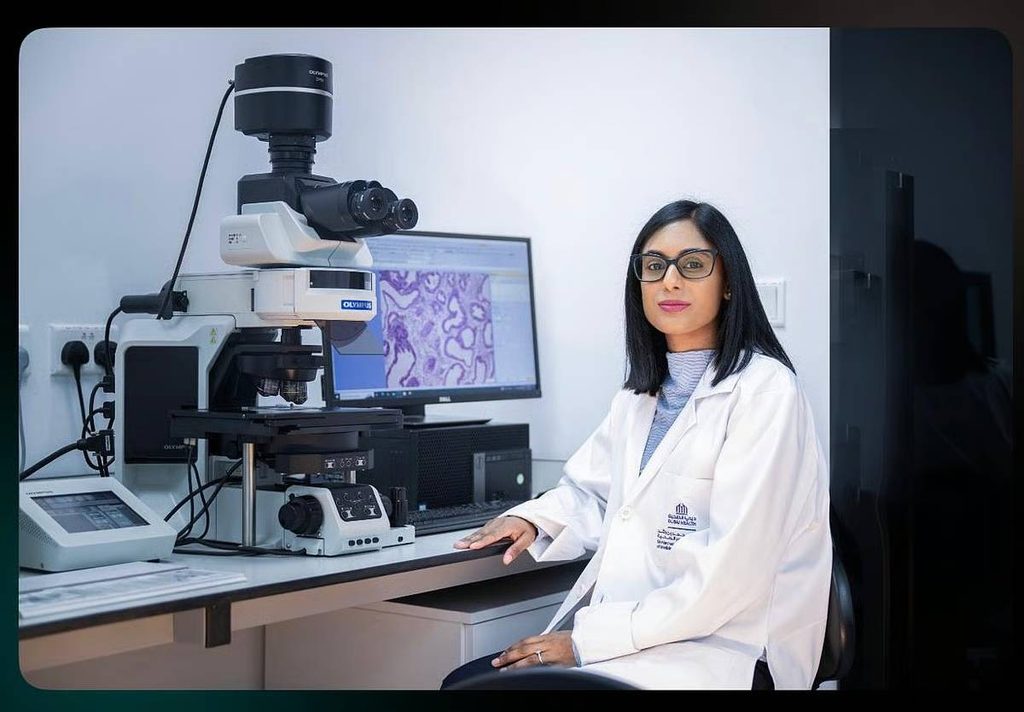
Dr Nerissa Naidoo, Associate Professor of Anatomy at Mohammed Bin Rashid University of Medicine and Health Sciences (MBRU), is exploring whether modifying the way genes function could help slow, halt or potentially reverse the damage caused by osteoarthritis.
Rather than focusing solely on pain relief, her research aims to address the biological mechanisms responsible for joint deterioration, potentially opening the door to more effective, disease-modifying treatments.
Dr Naidoo explains the significance of her research, how it differs from conventional therapies and the potential benefits it could offer patients in the UAE and around the world.
Question: Why is osteoarthritis such a critical area of medical research?
Answer: Osteoarthritis affects more than 500 million people globally and is a chronic, progressive condition characterised by the gradual deterioration of cartilage that protects and cushions the joints.
As the disease advances, cartilage breaks down, inflammation develops within the joints, and changes occur in the underlying bone. These processes can cause persistent pain, reduced mobility and disability, particularly among older adults.
The greatest challenge is that no cure currently exists. Available treatments primarily focus on managing symptoms, reducing pain and temporarily improving joint function. However, they cannot prevent the disease from progressing.
For many patients with advanced osteoarthritis, joint replacement surgery eventually becomes the only viable long-term treatment.
This highlights the urgent need for therapies that address the underlying biological causes of osteoarthritis rather than simply treating its symptoms.
Question: What is the main focus of your research, and what do you hope to achieve?
Answer: My research investigates how epigenetic changes contribute to the development and progression of osteoarthritis.
Epigenetics involves molecular modifications that regulate how genes are expressed without altering the underlying DNA sequence.
When these regulatory mechanisms become disrupted, joint cells may begin functioning abnormally, triggering inflammation and accelerating the breakdown of protective cartilage. Over time, these changes contribute to worsening joint damage.
One of the most promising aspects of epigenetic changes is that they are generally reversible. This creates an opportunity to intervene at the molecular level and potentially restore healthier cellular function.
Using cartilage cells obtained from patients with osteoarthritis affecting the knees and hips, we are evaluating pharmaceutical treatments and nutraceutical compounds to determine whether they can slow disease progression or potentially reverse joint damage.
Our ultimate objective is to move beyond temporary symptom relief and develop disease-modifying therapies that target the mechanisms driving osteoarthritis, potentially changing the course of the condition itself.

Question: How does your research differ from existing osteoarthritis treatments?
Answer: Most treatments currently available for osteoarthritis are palliative, meaning they are designed to ease symptoms rather than address the disease itself.
Patients may be prescribed anti-inflammatory medications or injections to reduce pain and inflammation, but these treatments do not prevent the gradual deterioration of cartilage.
Our research adopts a precision medicine approach by focusing on the epigenetic mechanisms responsible for cartilage breakdown.
By targeting these molecular processes, we hope to develop disease-modifying treatments capable of slowing, halting or potentially reversing osteoarthritis progression.
This marks an important shift in musculoskeletal healthcare, moving beyond conventional symptom management towards therapies that could alter the course of the disease.
Our goal is not simply to provide more effective pain relief, but to find ways to prevent or potentially reverse the joint damage that causes the condition to worsen.
Question: How could these potential treatments improve patients’ lives?
Answer: If successful, the research could significantly improve the quality of life of people living with osteoarthritis.
Rather than depending on painkillers that provide temporary relief or eventually undergoing major joint replacement surgery, patients could benefit from therapies designed to protect their joints against further deterioration.
Such treatments could help preserve mobility, reduce persistent pain and allow people to remain physically active and independent for longer.
Imagine an elderly person who enjoys taking daily walks or spending time playing with their grandchildren. As osteoarthritis progresses, these simple pleasures can become increasingly difficult or even impossible.
A disease-modifying treatment could help such individuals maintain their mobility and continue participating in activities that bring them happiness.
Ultimately, this research is about more than treating damaged joints. It is about helping people retain their independence, enjoy active lives and stay connected with their families and communities.
Question: Why is this research especially important for the UAE?
Answer: Osteoarthritis is a significant health concern in the UAE, highlighting the need for greater awareness, timely diagnosis and improved treatment options.
A recent study published in BMC Musculoskeletal Disorders found that 12.9 per cent of adults in Al Madam City, Sharjah, had knee osteoarthritis.
Such findings underline the importance of recognising the condition early, particularly as some individuals may be living with osteoarthritis without being aware of it.
By developing expertise in epigenetic therapies within the UAE, we are contributing to international efforts to understand and treat the disease while ensuring that our research addresses the needs of patients in the country.
The project also supports Dubai’s wider ambitions to advance precision medicine, encourage medical innovation and strengthen patient-centred healthcare.
The knowledge and potential treatments emerging from this work could eventually benefit patients not only in the UAE but throughout the region and beyond.
Question: What support has helped make this research possible?
Answer: The project received funding through the Dubai Research, Development, and Innovation (RDI) Grant Initiative, which operates under the Dubai Future Foundation.
The research has also benefited from close collaboration among clinicians, scientists and laboratory specialists dedicated to advancing musculoskeletal healthcare in the UAE.
I am particularly grateful to my clinical collaborator, Dr Thomas Nau of King’s College Hospital London Dubai, for his valuable contribution.
I would also like to acknowledge my laboratory team and fellow researchers at Mohammed Bin Rashid University of Medicine and Health Sciences, along with our collaborators at Rashid Hospital.
Their expertise, dedication and continued support have been essential in moving this research forward.
Question: What are the next stages of the research?
Answer: Our next priority is to further evaluate and validate the therapeutic potential of the interventions we are investigating.
This will involve using advanced disease models and comprehensive molecular analyses to better understand how these treatments may influence the biological processes involved in osteoarthritis.
We also plan to expand our epigenetic profiling studies to identify the molecular pathways responsible for joint inflammation, cartilage deterioration and cellular stress as the disease progresses.
Another important objective is to discover biomarkers that could help doctors detect osteoarthritis at an earlier stage and develop more personalised treatment strategies.
Together, these efforts could lay the groundwork for future therapies that address the underlying causes of osteoarthritis, rather than merely managing its symptoms.
Ultimately, our aim is to help develop targeted, disease-modifying treatments that go beyond relieving osteoarthritis symptoms, paving the way for regenerative therapies that could improve joint health and deliver better long-term outcomes for patients.

