

Authorities have warned that promoting counterfeit watches, perfumes, and fashion items on social media may result in legal action.
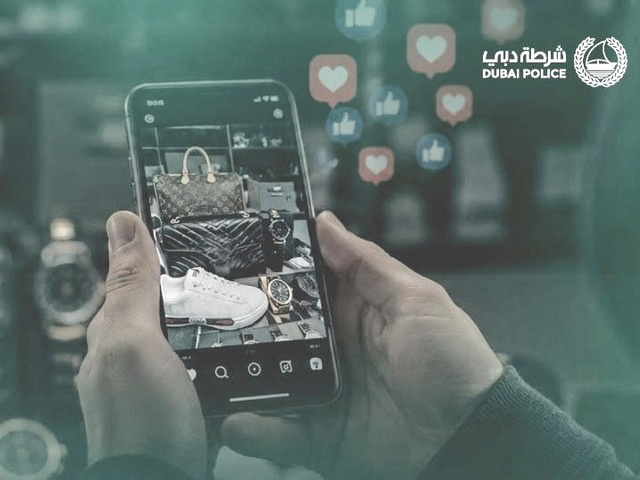
Dubai Police have warned that promoting or selling counterfeit products on social media is a criminal offence that can lead to prosecution. They urged young people, influencers, and business account owners to avoid suspicious advertising offers from unknown or unverified sources.
The warning came from the Anti-Economic Crimes Department at the General Department of Criminal Investigation, which highlighted the risk of individuals being lured into illegal commercial activity disguised as advertising or digital marketing.
Major Omar Hassan Nasser, Director of the Anti-Economic Crimes Department, said that some individuals, especially young users, mistakenly perceive the online sale or promotion of counterfeit watches, perfumes, clothing, and accessories as an easy side business or a way to earn extra income.
He said that such activities violate intellectual property and trademark laws in the UAE, including provisions of Federal Law No. 36 of 2021, which protects trademark owners and prohibits the counterfeiting or unlawful use of registered brands.
Maj. Omar added that the UAE has established a robust framework to safeguard intellectual property rights and combat commercial counterfeiting through legislation and strict regulatory oversight, aimed at protecting consumers, businesses, and rights holders while promoting a fair investment environment.
He also warned that fake commercial accounts often target young people seeking quick profits by sending counterfeit products for promotion on personal social media accounts, which may expose them to legal consequences even if they are unaware of the products’ origins.
“Ignorance of the law does not exempt anyone from liability,” he said.
Dubai Police added that illegal trade via social media not only carries legal risks but can also harm reputations, undermine trust among followers and customers, and negatively impact the broader economy and regulated markets. They further noted that consumers may be misled into buying counterfeit goods presented as genuine or high quality.
Authorities have urged influencers, online sellers, and e-store operators to verify product sources before advertising or selling, avoid engaging with unknown suppliers, and ensure all products are supported by valid licences and official invoices confirming authenticity and lawful origin.

