

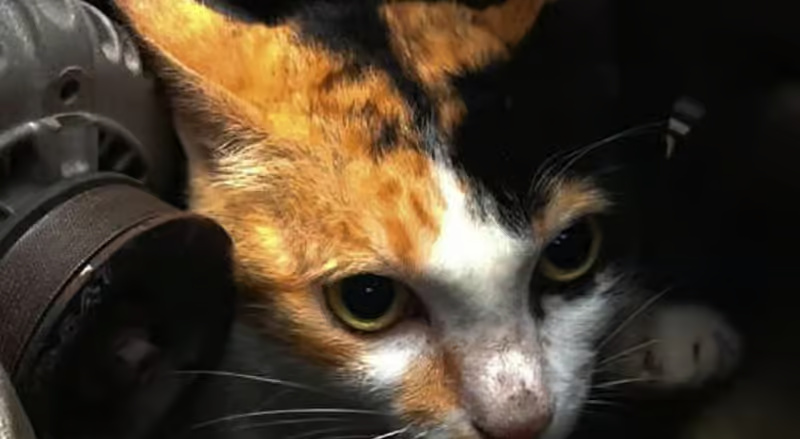
The clipped ear indicates that the cat has been sterilised and vaccinated through the trap-neuter-vaccinate-return (TNVR) programme.
Stray cats are a common sight across the UAE, often found in neighbourhoods, parks and residential areas. As animal welfare initiatives continue to grow, authorities and organisations are expanding humane programmes aimed at managing cat populations while supporting public health.
One of the most visible signs that a community cat has already received care is a clipped ear. The small mark indicates that the animal has been sterilised and vaccinated, allowing volunteers and residents to easily identify cats that have completed the trap-neuter-vaccinate-return (TNVR) programme.
In Abu Dhabi, the Department of Municipalities and Transport follows a structured approach to managing community cat populations. Stray cats are humanely captured, sterilised, vaccinated, microchipped and dewormed before receiving a small ear clip and being returned to their original environment.
The clip, typically placed on the left ear, does not cause harm to the cat. Instead, it acts as a visible marker showing that the animal has received essential veterinary care and completed the programme.
“Every ear clip tells the story of care,” the Abu Dhabi Department of Municipalities and Transport said, highlighting the shift towards humane population management rather than removing stray animals from communities.
Residents who come across a community cat that may require the TNVR programme can report it through the Abu Dhabi Government Contact Centre by calling 800-555.
Abu Dhabi is also strengthening regulations around pet ownership, with pet registration now mandatory under the emirate’s new animal ownership service.
The registration process is free and can be completed at any licensed veterinary clinic through the TAMM platform. Pet owners who fail to register microchipped pets after the deadline may face a Dh1,000 fine, while those who do not renew an existing registration could be subject to a Dh500 penalty.
Efforts to promote responsible animal care extend beyond Abu Dhabi. In Dubai, the municipality has introduced AI-powered smart feeding devices for stray animals, known as Ehsan Stations. The region’s first initiative of its kind will feature 12 stations across selected locations, including 10 in public parks and two at Dubai Holding facilities.
The stations use technology to identify stray animals, gather data and provide food accordingly. Dubai Municipality said the project aims to create a more organised and sustainable approach to supporting stray animal welfare.

