

Bid Farewell to Cash: Coins and Banknotes Make Way for Digital Payments.
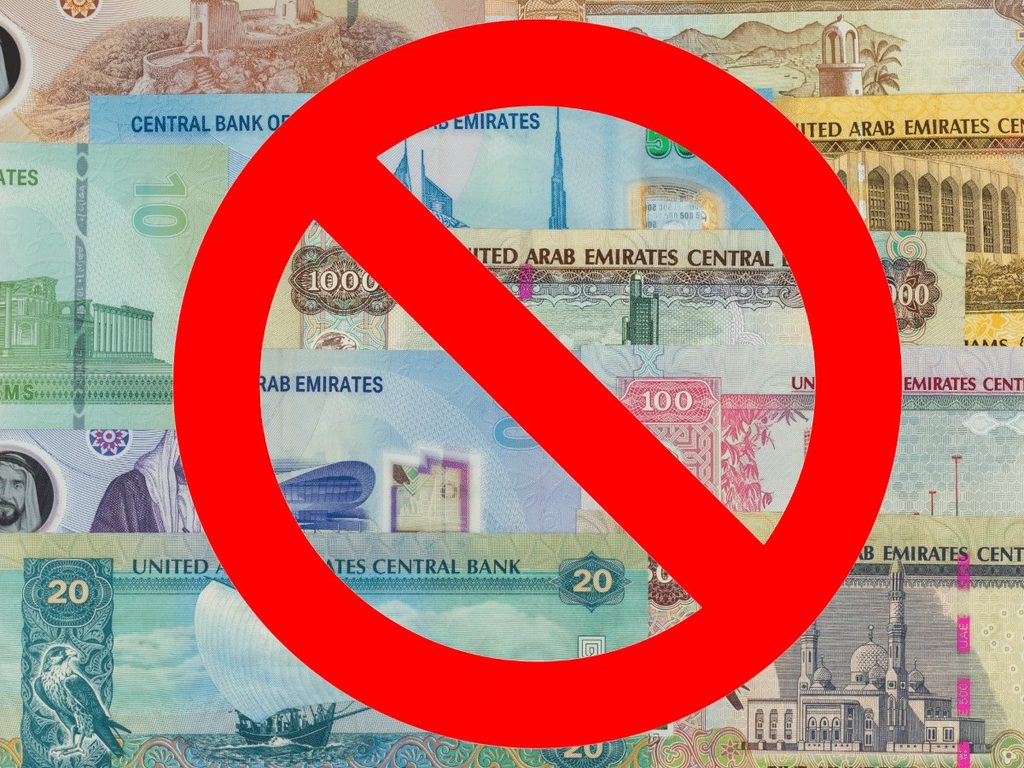
Dubai is making significant progress towards its goal of becoming a cashless city by the end of 2026.
Under the Dubai Cashless Strategy, payments across both government and private sectors are gradually shifting from physical currency to digital transactions.
First introduced in October 2024, the initiative aims to reduce reliance on banknotes and coins while encouraging the widespread adoption of digital payment methods throughout the emirate.
According to the latest official update, Dubai has already surpassed its 2026 target, with 90.1 percent of transactions now conducted digitally, exceeding the original goal of 90 percent by the end of the year.
However, moving towards a cashless economy does not mean eliminating money. Instead, residents and visitors will increasingly use digital payment options such as mobile banking applications, debit cards and credit cards instead of physical cash.
The strategy also focuses on introducing advanced payment technologies, including artificial intelligence-powered solutions and contactless payment systems, to make transactions faster, easier and more convenient.
To support this transition, Dubai Finance has launched an extensive awareness and promotional campaign aimed at encouraging individuals, businesses and government entities to embrace digital payments.
The overall objective is to establish a more efficient, secure and digitally connected payment ecosystem across Dubai.
How Dubai’s Cashless Transition Will Affect Residents and Tourists
Dubai’s move towards a cashless economy is expected to bring several changes to everyday transactions, from public transport and parking payments to banking services for international visitors.
One of the most significant developments is the upcoming modernisation of Dubai’s nol card system, scheduled for early 2027. The existing card-based ticketing system will transition to an advanced account-based digital payment platform, making public transport payments more convenient.
Parking payments are also undergoing a transformation. Since June 2026, Parkin has been gradually removing cash payment options from parking meters across Dubai, encouraging motorists to use digital alternatives.
Tourists visiting the emirate will also benefit from new banking initiatives designed to simplify digital transactions.
The Central Bank of the UAE has introduced the Tourist Identity initiative, which aims to enable international visitors to open digital bank accounts within minutes of arriving in the country.
Through this service, tourists will be able to access essential banking facilities, including digital debit cards for immediate use. The initiative will also support payments through the UAE’s domestic card network, Jaywan, and the instant payment platform, Aani, allowing visitors to make payments and transfer money more easily.
In another step towards promoting digital transactions, Emirates and flydubai have partnered with Dubai Finance to encourage cashless payments among international travellers, particularly those who traditionally rely on physical currency.
Additionally, Emirates and Dubai Duty Free introduced cryptocurrency payment options during the summer of 2026, further expanding the range of digital payment methods available to customers.
Dubai’s long-term vision is to make transactions entirely paperless, potentially reducing the need for physical cash in everyday activities, including shopping at traditional markets and paying for services.
Dubai Surpasses Its 2026 Cashless Payment Targets
Dubai has achieved a major milestone in its journey towards becoming a fully digital economy, exceeding several key targets under the Dubai Cashless Strategy ahead of schedule.
In an update released on Friday, October 9, 2026, Dubai Finance confirmed that the emirate had surpassed its cashless payment objectives within the strategy’s planned two-year implementation period.
The latest figures reveal that 90.1 percent of transactions in Dubai are now cashless, exceeding the original target of 90 percent set for the end of 2026.
The community happiness index also reached 90.1 percent, slightly surpassing its target of 90 percent.
Meanwhile, Dubai has achieved complete digital payment availability across government services, with the Digital Enablement Index confirming that 100 percent of government transactions can now be completed digitally.
Government cashless collections also reached an impressive 99.66 percent during the first half of 2026, highlighting the widespread adoption of electronic payments across public services.
His Highness Sheikh Hamdan bin Mohammed bin Rashid Al Maktoum, Crown Prince of Dubai, Deputy Prime Minister and Minister of Defence of the UAE, and Chairman of The Executive Council of Dubai, praised the collaborative efforts of government entities and private businesses in achieving these milestones ahead of schedule.
Abdullah Mohammed Al Basti, Secretary General of The Executive Council of Dubai, emphasised that the shift towards a cashless economy would strengthen economic resilience, improve operational efficiency and expand access to financial services.
He also highlighted that digital payments would help create a more accessible and reliable financial environment, strengthening investor confidence and supporting Dubai’s ambition to become a leading global destination for innovation and future-focused economic development.

