

The Dubai Health Authority urged healthcare providers to review patients’ vaccination status and encourage early immunisation, particularly among high-risk groups.
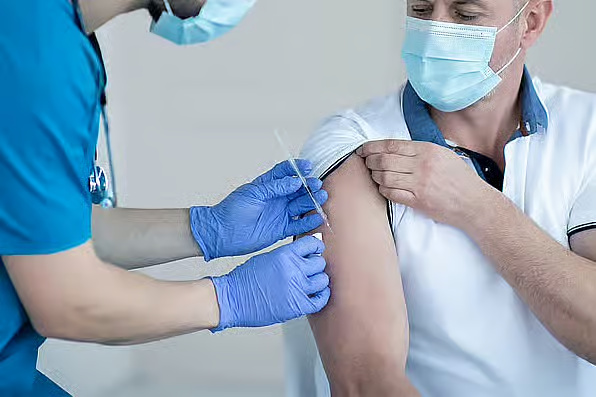
With flu season approaching in the UAE, health authorities are urging residents, particularly those in high-risk groups, to get vaccinated early against seasonal influenza.
The Dubai Health Authority (DHA) has issued guidelines urging doctors, nurses and other healthcare providers to proactively check patients’ vaccination status and encourage seasonal flu vaccination during every clinical visit.
Seasonal influenza is an acute respiratory infection caused by influenza viruses that circulate worldwide. While most people recover from fever and other symptoms within about a week without requiring medical treatment, the infection can lead to serious complications, particularly among vulnerable groups.
Here’s what UAE residents need to know.
Who should get the flu vaccine every year?
According to DHA guidance, annual influenza vaccination is particularly recommended for:
- Pregnant women
- Children aged six months to five years
- People aged 65 and above
- People with chronic medical conditions
- Healthcare workers
The authority said vaccination is one of the best ways to prevent influenza. While flu vaccines have been used for more than 60 years, the protection they provide decreases over time, which is why annual vaccination is recommended.
Can pregnant women get the flu vaccine?
Yes. The DHA specifically advises pregnant women to receive the influenza vaccine during any trimester of pregnancy.
According to the guidance, vaccination can help protect the mother from influenza while also providing passive immunity to the newborn.
Should children get the flu vaccine?
Yes. Children aged six months to five years are among the groups for whom annual influenza vaccination is recommended.
The same age group is also specifically included in DHA’s proactive counselling recommendations for healthcare professionals.
Should family members of vulnerable patients get vaccinated?
Yes. DHA recommends vaccination for residents and caregivers who are in close contact with people with weakened immune systems or babies younger than six months.
This means vaccination advice is not limited to people who are medically vulnerable themselves. Those who live with or care for vulnerable individuals may also be advised to get vaccinated to help reduce the risk of spreading influenza.
Will the flu vaccine make you sick?
The DHA guidance asks healthcare professionals to address this common concern. Patients should be reassured that inactivated influenza vaccines cannot cause influenza.
Healthcare providers should also explain that vaccination can reduce the risk of complications associated with influenza.
Are all flu vaccines given as injections?
No. Influenza vaccines are available in different formulations, and the appropriate vaccine may depend on factors such as age and individual health circumstances.
According to the guidance, influenza vaccines are routinely updated to better match the viruses circulating around the world.
Several inactivated and recombinant influenza vaccines are available as injections, while live attenuated influenza vaccines are administered as a nasal spray.
What happens if a hospital patient has not been vaccinated?
The DHA advises healthcare facilities to encourage unvaccinated patients to receive the influenza vaccine.
Unvaccinated patients, including those admitted to acute-care wards, are advised to get the flu vaccine before being discharged from hospital, where appropriate.
What symptoms should residents watch for?
Flu symptoms usually begin around two days after a person becomes infected.
Common symptoms can include:
- Sudden fever
- Dry cough
- Headache
- Muscle and joint pain
- Severe tiredness or feeling unwell
- Sore throat
- Runny nose
What other precautions can help?
In addition to vaccination, the DHA recommends regularly washing and drying hands, covering the mouth and nose when coughing or sneezing, disposing of used tissues properly and staying home when feeling unwell.
Residents are also advised to avoid close contact with people who are sick and to avoid touching their eyes, nose or mouth.

