

Oil prices climb on Strait of Hormuz threats, driving Brent to its highest level in a month and raising inflation fears.
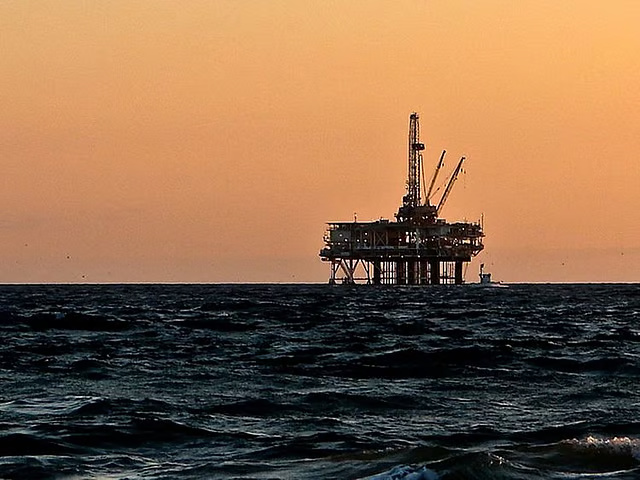
Dubai: Brent crude rose above $90 a barrel on Monday, hitting its highest level in over a month as escalating US-Iran strikes heightened concerns about potential disruptions to oil flows through the Strait of Hormuz.
The global oil benchmark gained 2.5% to trade above $90 a barrel, after briefly climbing 3.8% past $91 during the session. US crude benchmark West Texas Intermediate (WTI) also advanced nearly 2.8%, moving towards the $84–$85 range.
The surge came after attacks on vessels passing through the Strait of Hormuz, damage to a Kuwaiti oil facility and a ninth straight night of US strikes on Iran intensified concerns over potential supply disruptions.
Rising crude prices have also revived inflation worries among investors, as prolonged increases in energy costs could push up expenses across transportation, manufacturing and food production sectors.
Strait of Hormuz tensions push oil prices higher
Iran said its ceasefire agreement with the US had effectively broken down, increasing concerns over potential disruptions to oil and gas shipments through the Strait of Hormuz, one of the world’s busiest energy trade routes.
The US said its latest strikes targeted Iranian military command facilities, air defence networks, coastal monitoring sites, maritime infrastructure, and missile and drone launch locations.
Meanwhile, Kuwait said it intercepted Iranian drone attacks after Kuwait Petroleum Corp reported that an oil facility was hit on Saturday, causing significant damage. The company did not disclose the exact location of the affected site.
The UK Maritime Trade Operations agency also reported that a vessel caught fire northwest of Oman’s Kumzar after being struck by an unidentified projectile, forcing the crew to abandon the ship.
Traffic through the Strait of Hormuz has slowed, while regional oil exports remain below pre-conflict levels, according to Linh Tran, market analyst at XS.com.
Saudi Arabia has also shifted a significant portion of its July oil exports to the Red Sea port of Yanbu, suggesting producers are seeking alternatives to Gulf shipping routes as security risks continue to rise.
Markets factor in potential supply losses
The recent rise in oil prices is largely driven by fears that further attacks on tankers, ports and energy infrastructure could disrupt global crude supplies.
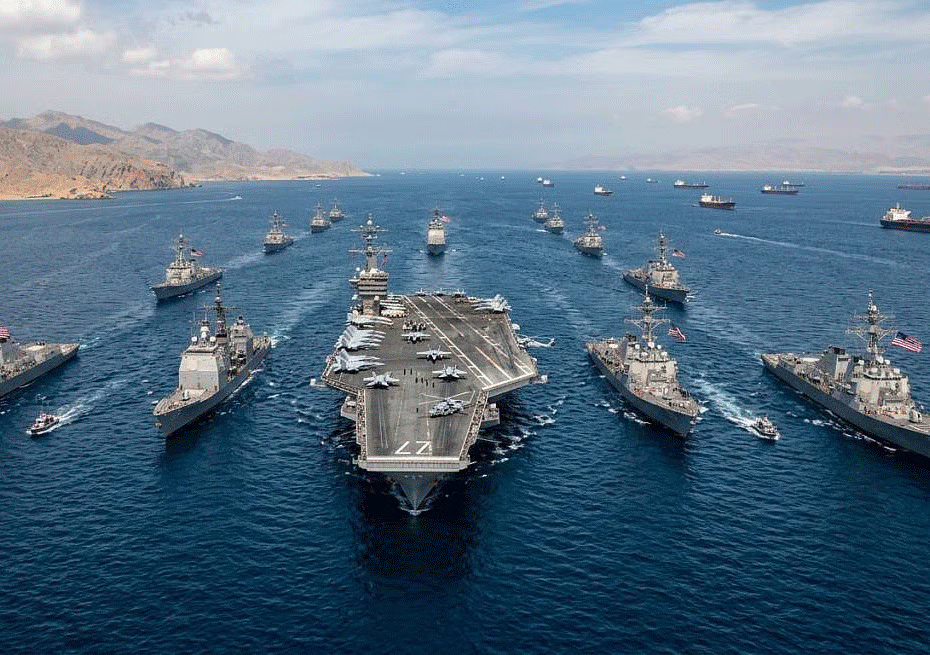
Physical oil shipments have not yet faced the prolonged disruptions typically needed to sustain a sharp rise in prices, leaving markets highly responsive to any changes in regional security conditions.
WTI crude could climb towards $88–$90 a barrel if attacks begin to directly impact ports, oil tankers or shipping routes through the Strait of Hormuz, according to Tran.
“The $100 mark should still be considered an extreme-risk scenario, requiring a prolonged and substantial disruption to actual oil supplies,” Tran said.
Oil prices could fall back towards $78–$80 a barrel if shipping activity continues normally and geopolitical tensions ease, allowing increased OPEC+ output and softer demand expectations to regain market influence.
More OPEC+ supply could cap oil price gains
OPEC+ has agreed to raise its production target by an additional 188,000 barrels per day from August, continuing its phased return of supply to global markets.
However, the actual boost will depend on members’ available spare capacity and whether crude shipments can move safely through the region amid ongoing security concerns.
The group has also reduced its outlook for global oil demand growth in 2026, fuelling doubts over whether consumption levels can support a prolonged price rally once geopolitical risk premiums begin to ease.
These factors are limiting the oil rally, although any confirmed disruption to shipping through the Strait of Hormuz could quickly push supply concerns back into focus.
Inflation worries resurface
The rise in oil prices has unsettled bond markets, coming after weaker-than-expected US economic data had lowered expectations that the Federal Reserve would need to increase interest rates.
Higher energy costs could slow the recent improvement by pushing up expenses across transportation, production and consumer goods. Treasury futures fell on Monday, while government bonds in Australia and New Zealand also declined as investors worried that inflationary pressures could remain elevated.
Higher borrowing costs could create additional pressure for consumers and businesses if central banks respond to renewed inflation risks by maintaining higher interest rates or tightening monetary policy further.
Stock markets stabilised after last week’s technology-driven sell-off, though investors remain focused on the sustainability of artificial intelligence investment and the broader economic impact of the escalating Middle East conflict.

