

She hopes to promote clothing reuse and inspire more sustainable consumption habits.

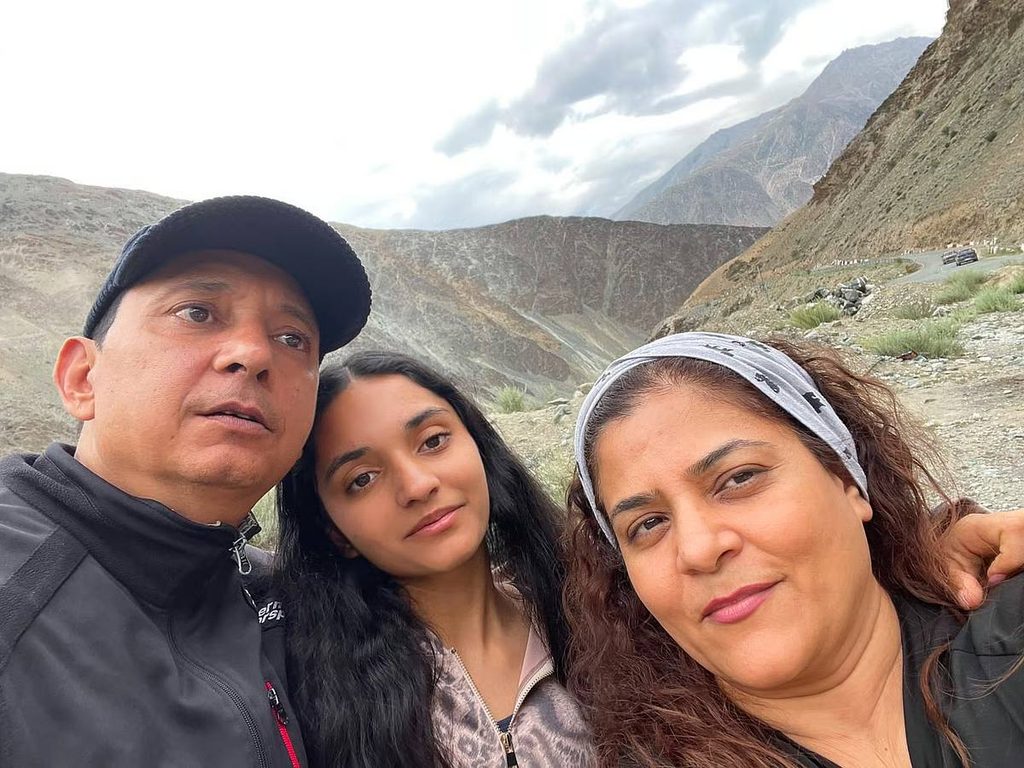
Dubai: Seeing large quantities of clothing discarded at the end of the academic year inspired Dubai student Azura Lal to find a way to give unwanted garments a second life rather than allow them to go to waste.
The 17-year-old, who was born in Delhi, India, and moved to Dubai when she was 11, turned that observation into Threads of Change, a school-based clothing collection initiative supported by her teachers and the wider school community.
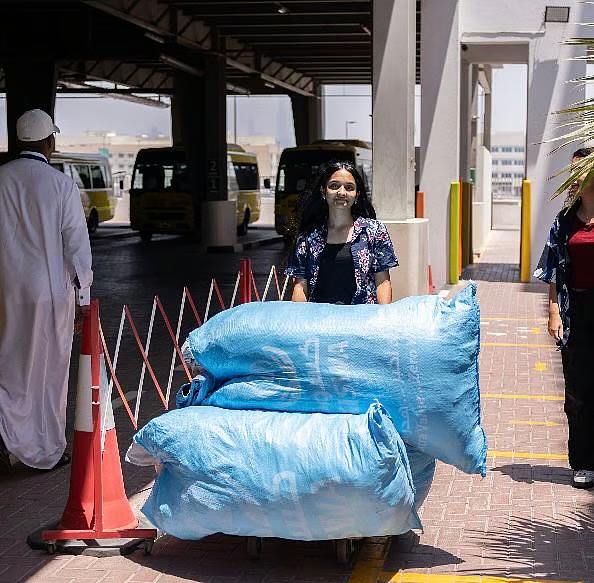
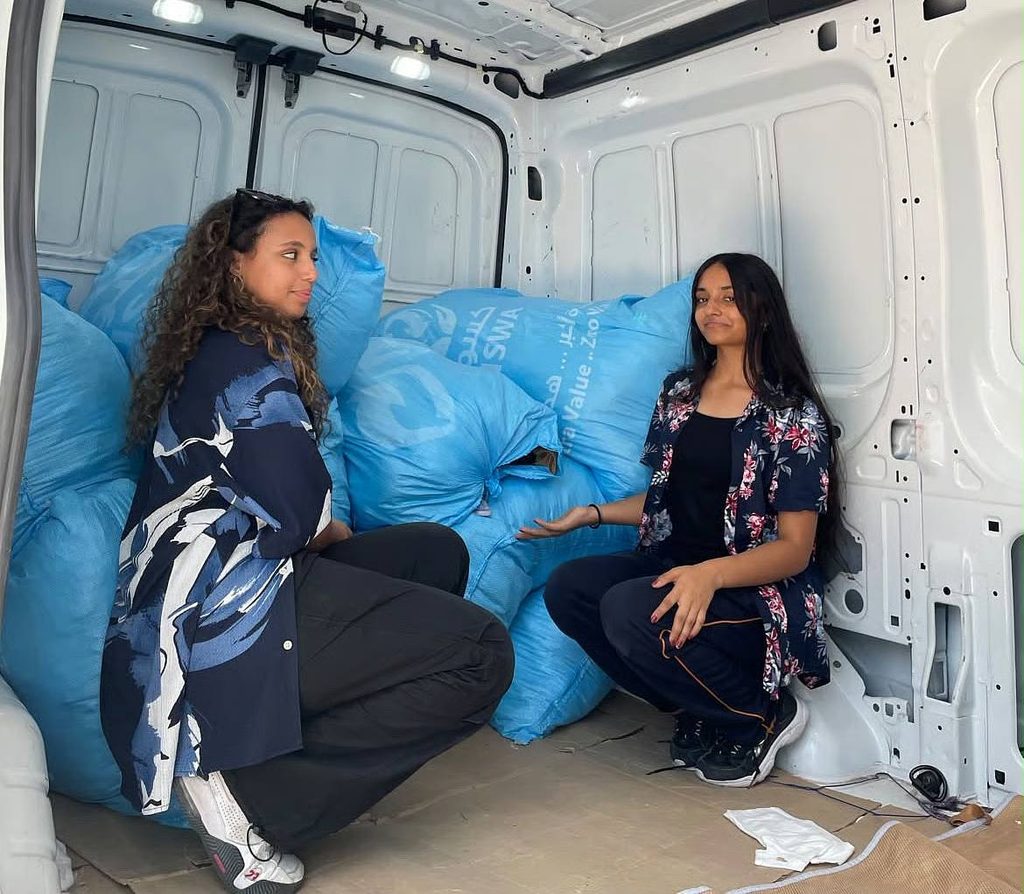
Launched last year, the initiative’s first collection drive attracted more than 60 student and teacher donors and gathered over 200kg of clothing and other items in just two weeks.
Now in its second year, the project has expanded its collection period to five weeks, with Lal hoping to build on its initial success while encouraging more sustainable consumption habits.
Turning unwanted clothes into opportunities to give back
The idea behind Threads of Change grew from a simple question: How could clothing that one person no longer needed become useful to someone else?
With encouragement and guidance from her teachers, Lal began developing the concept and contacting organisations across Dubai to help turn her vision into a practical community initiative.
“What inspired me most was the realisation that an everyday habit could hold a bigger opportunity for change,” Lal told Gulf News.
What started as an individual observation gradually became a collaborative effort involving students, teachers and members of the school community.
For Lal, the experience demonstrated how collective participation could transform a small idea into meaningful action.
“Seeing an individual thought grow into a collective effort showed me that you do not need to wait until you have the resources or influence to make a difference.”
A bigger collection drive in its second year
Building on the response to last year’s campaign, Lal has extended this year’s clothing collection drive from two weeks to five, aiming to exceed the 200kg gathered during the inaugural edition.
She also wants the project to develop into a circular initiative that combines clothing donations with funds raised to support the community.
“My goal for this second annual drive is to make it a circular initiative, using the proceeds we raised, alongside the donated clothes and items, to give back to the community in a meaningful way,” shared Lal.
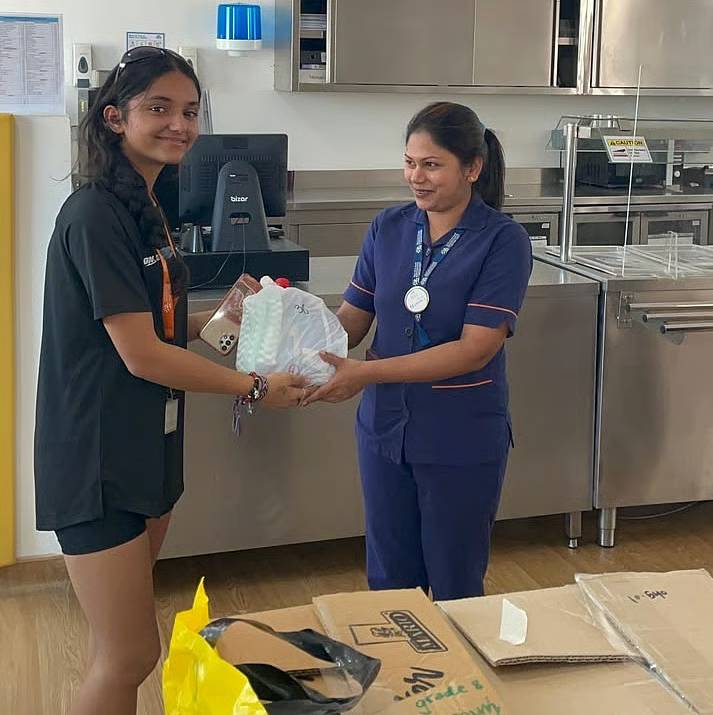
During the first campaign, the students also prepared gift baskets containing treats and other items for the nannies working at their school, adding another element of community appreciation to the initiative.
Beyond collecting donations, Threads of Change encourages students to reflect on their shopping and consumption habits, from the clothes they purchase and how long they use them to what happens when those items are no longer needed.
Lal believes sustainability should become an integral part of everyday decision-making rather than something people practise only occasionally.
“Sustainability cannot remain an occasional effort anymore, it must become the standard by which we make decisions, consume resources, and hold ourselves accountable for the future we are shaping.”
Balancing academics with a passion for sustainability
Running a community initiative while pursuing her Grade 11 studies at Ambassador International Academy has meant juggling academic commitments with the responsibilities of organising and managing the clothing collection drive.
Lal acknowledged that finding the right balance was not always easy. However, the experience taught her valuable lessons in time management, forward planning and prioritising responsibilities without sacrificing friendships and extracurricular activities.
“When you are genuinely committed to something, you find a way to make time for it,” said Lal.
Through the project, she has realised that dedication does not necessarily mean having plenty of free time. Instead, it involves staying focused on a goal and making consistent efforts to achieve it, even when faced with competing demands.
Inspiring young people to take the first step
Lal hopes her initiative will encourage other young people to identify challenges within their schools and neighbourhoods and explore practical ways to address them.
She believes meaningful change often begins with questioning familiar practices and recognising opportunities to do things differently.
“As young people, it is important to question the world around us, challenge what we have come to accept as normal, and recognise that just because something has always been done a certain way, it does not mean it cannot change. You do not need all the answers, significant resources, or a perfect plan to get started,” said Lal.
Growing up in Dubai’s multicultural environment has also influenced her outlook, helping her appreciate how people from diverse backgrounds can come together to work towards a common goal.
“We cannot continue treating the planet’s resources as disposables and expect a sustainable future. Change begins when we take responsibility for what is within our reach.”
Looking ahead, Lal wants Threads of Change to inspire lasting behavioural changes, making sustainability, responsible consumption and community giving part of everyday life.
For her, the message is simple: small, practical decisions about what people buy, reuse and discard can contribute to a more sustainable future.

