

Seasonal respiratory diseases become more common from September to March, health officials say.
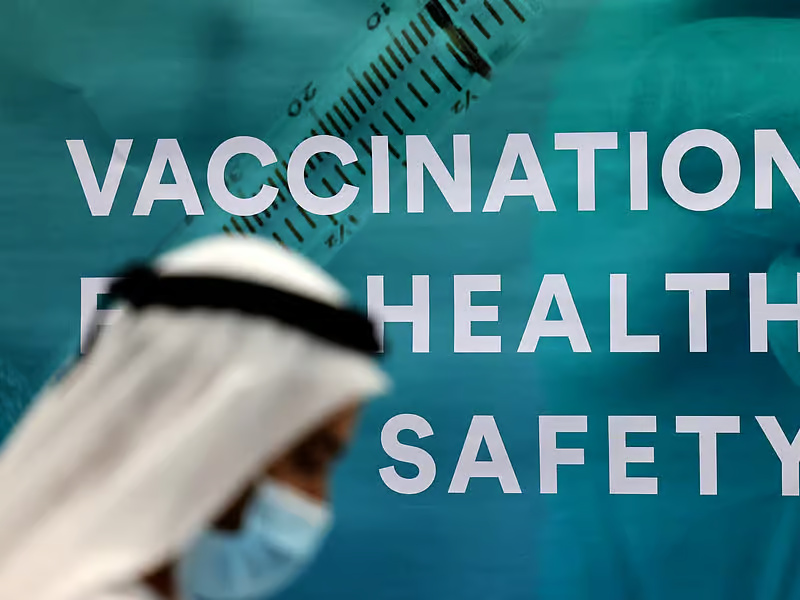
The UAE has expanded its annual influenza campaign this year to address a broader range of seasonal respiratory illnesses, moving beyond its traditional focus on flu prevention.
The 2026–27 Awareness Campaign on Influenza and Seasonal Respiratory Diseases places increased emphasis on infections such as respiratory syncytial virus (RSV) and pneumonia, alongside seasonal influenza, as part of a wider approach to respiratory health.
Here is what residents need to know about this year’s campaign:
What is new this year?
The biggest change is the broader scope of the campaign.
While previous efforts focused primarily on seasonal influenza, health authorities are now expanding awareness to include several respiratory illnesses that tend to become more common during the cooler months.
The wider approach aims to help residents better understand seasonal respiratory diseases, their prevention and the steps they can take to protect themselves and others.
The campaign aims to help residents better understand how respiratory infections spread, who faces a greater risk of complications and what preventive measures are available.
Is respiratory disease activity increasing in the UAE?
Not currently, according to health officials.
Dr Mahra Alhosani, Director of Surveillance and Outbreak Response at the Department of Health – Abu Dhabi, said respiratory disease activity across the UAE has so far remained similar to levels recorded during the previous two seasons.
The expanded campaign, therefore, is not a response to a sudden rise in respiratory infections, but forms part of a broader preventive health strategy.
When are respiratory illnesses more common?
Health officials said seasonal respiratory illnesses typically become more common between September and March, when several respiratory viruses may circulate simultaneously.
Which infections are being highlighted?
This year’s campaign focuses on seasonal influenza, respiratory syncytial virus (RSV) and pneumonia.
RSV is a common respiratory virus that often causes mild, cold-like symptoms. However, it can lead to more serious illness in certain groups, particularly infants and older adults.
Who is more at risk?
Health officials identified several groups that may face a higher risk of complications from respiratory infections. These include young children, older adults, pregnant women, people with chronic health conditions and those with weakened immune systems.
What protection is available against RSV?
Several preventive options were highlighted at a recent event organised by the UAE Ministry of Health and Prevention (MoHAP) in Dubai. These include vaccination during pregnancy, monoclonal antibodies for infants and RSV vaccines for eligible older adults.
Information presented at the event indicated that maternal RSV vaccination can be administered from the 28th week of pregnancy. For infants who do not receive protection through maternal vaccination, monoclonal antibodies may provide another preventive option.
What else can residents do?
Health authorities also emphasised everyday precautions that can help limit the spread of respiratory infections.
Residents are advised to wash their hands regularly, cover their mouth and nose when coughing or sneezing, stay home when unwell and frequently clean commonly touched surfaces.

