

As students return to classrooms today, educators are emphasising that digital wellbeing involves more than simply restricting access to devices.
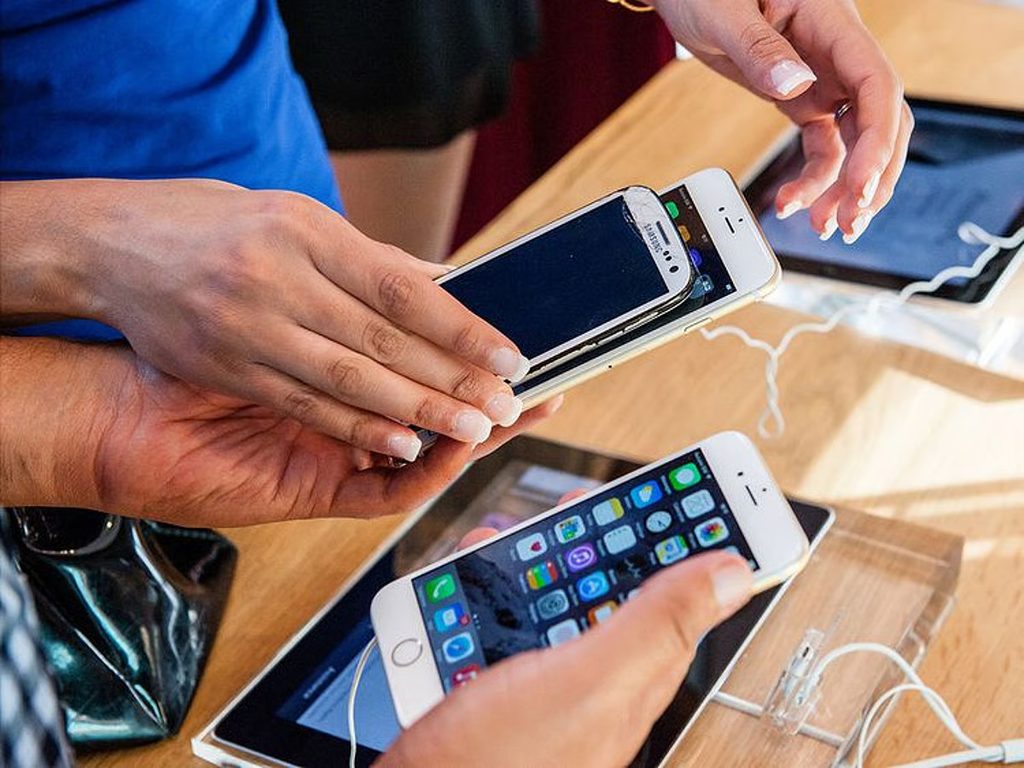
After weeks of summer holidays, late mornings and relaxed routines, UAE students returned to classrooms today, as schools once again navigate the role of technology in learning while addressing concerns around distraction, screen time and student wellbeing.
The debate has gained fresh momentum after France’s parliament approved legislation in July to ban social media access for children under 15 and restrict mobile phone use in high schools. The move, supported by French President Emmanuel Macron as part of efforts to curb screen time, comes amid growing concerns among medical experts about the effects of excessive screen use on children’s development.
For UAE families, however, restrictions on mobile phone use in schools are already in place. A ministerial ruling introduced last year prohibits students from bringing mobile phones into public and private schools following the Ministry of Education curriculum, with penalties for violations.
While private schools are not subject to a single, uniform policy, many have introduced their own measures, such as requiring students to hand in their phones or keep them in secure storage throughout the school day.
UAE schools focus on consistency, not just confiscation
Noufal Ahmed, Founder and Managing Director of Woodlem Education, said the UAE had already “taken a clear position” on mobile phone use in schools, with the policy aimed at creating a more focused, disciplined and safe learning environment.
“The UAE has taken a clear position on mobile phone use in schools, aiming to create a focused, disciplined and safe learning environment. Successful implementation depends on consistency, communication and strong parent partnership.
“Students need to understand the purpose behind the policy, not see it simply as a restriction. Our schools set clear expectations from day one and apply them fairly.”
Ahmed said schools should use the policy as an opportunity to promote digital responsibility alongside wellbeing, sports, reading and creativity. Non-compliance can result in phones being confiscated for the academic year, he said, adding that success should ultimately be measured by students’ “growing digital maturity”.
At Diyafah International School in Abu Dhabi, Principal Nicole Haynes said the restrictions were being introduced as part of a broader effort to support students academically, socially and emotionally.
“We are approaching the implementation of the mobile phone ban as part of our wider commitment to creating an environment where students can thrive academically, socially and emotionally. Clear expectations have been communicated to students, parents and staff ahead of the new academic year, ensuring everyone understands both the requirements and the reasons behind them.
“Importantly, this is not about removing technology from education.”
The school continues to operate a Bring Your Own Device (BYOD) programme from Year 3, allowing students to use technology for structured learning under teacher supervision and with safeguards in place.
Haynes said distinguishing between personal smartphones and learning devices was important as schools seek to minimise distractions without turning their backs on technology.
“By combining clear expectations with consistency and strong home-school partnerships, we are confident students will adapt quickly and positively from day one.”
Headteachers highlight lessons from France
For JSS Private School Principal Chitra Sharma, France’s experience offers a warning about what can happen when the logistics of implementing a phone ban are underestimated.
“The most useful lesson from France is a cautionary one. French unions are not objecting to the principle of the ban — they are warning that many schools lack the storage, staffing and systems to deliver it on time.
“That is the recurring pattern internationally: Phone bans rarely fail because the idea is wrong; they fail because the logistics were underestimated and enforcement was left to individual teachers to improvise.”
Sharma said the UAE could benefit from having an existing regulatory framework and strong parent-school communication, but argued that sustainable compliance should go beyond simply confiscating devices.
“A ban controls behaviour for seven hours a day; it does not teach judgement for the other seventeen. A student who hands in a phone at 7.30am and scrolls until 2pm has not developed a healthier relationship with technology — they have simply had a pause imposed on them.
“The ambition, therefore, has to be bigger than compliance; schools have an opportunity to help students understand when technology genuinely serves them and when it is quietly taking something from them.”
Sharma said this means incorporating digital wellbeing into everyday school life, including discussions around screen habits, social media, online safety, attention span and sleep.
She added: “We must keep learning devices separate from personal phones. School-issued laptops and tablets can remain central to learning where they add value, with proper monitoring and controls. Personal smartphones belong in a different category entirely, because they import social media, group chats and notifications into the school day. Making that distinction explicit helps students see the policy as targeted, not anti-technology.”

