

Dry-berth occupancy climbed 22 per cent in July amid rising demand for ship maintenance.
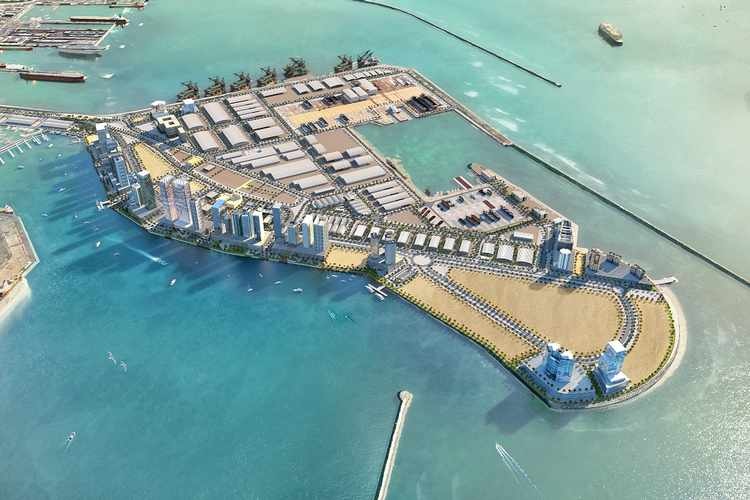
Dubai: Dubai Maritime City handled a record 52 vessels at its dry berths in a single day on July 28, reflecting growing demand for ship maintenance amid increased oil and gas production across the region.
According to DP World, the figure marked the highest number of vessels the maritime services and ship-repair hub has accommodated in a single day.
Dry-berth occupancy, where vessels are lifted out of the water for inspection, maintenance and repairs, increased 22 per cent year on year in July.
The total number of vessels handled during the month also rose 7 per cent, increasing from 188 in July last year to 202 this year.
Offshore support vessels measuring up to 150 metres accounted for a significant portion of the growth, as operators stepped up maintenance efforts to keep their fleets ready for deployment.
Demand from the yacht and leisure-boat sector also saw a sharp increase. Dry-berth occupancy in the segment climbed 88 per cent year on year in July and was 110 per cent higher compared with the beginning of the year.
Abdulla Al Hashmi, chief executive and managing director of DP World GCC, said the increase in demand at Dubai Maritime City reflected the expansion of the region’s maritime industries and the growing requirement for specialised infrastructure.
He said DP World’s investment in the facility aimed to reinforce Dubai’s position as a leading maritime services hub while strengthening the wider network linking industry, trade and logistics.
Ahmed Al Hammadi, chief operating officer of Dubai Maritime City, said the July figures demonstrated growing confidence among shipowners. He added that the city was continuing to invest in facilities, technology and equipment to keep pace with customer demand.
Dubai Maritime City is also expanding its capacity to handle smaller vessels by acquiring and refurbishing more than 500 vessel-support cradles, enabling the facility to accommodate up to 60 small boats.
The expansion will allow the facility to serve a wider range of vessels, including yachts, leisure boats, traditional wooden vessels, commercial ships and offshore support vessels.
Automation is also being rolled out across the site. Three vehicle gates have been automated, digitising around 16,000 vehicle movements each week, while artificial intelligence-based safety systems have also been introduced.
The facility is also working to automate berth booking and reservation management as part of a broader effort to improve the speed, safety and efficiency of operations as capacity grows.

