

Dubai board reviews healthcare AI transformation, governance standards, and operational readiness of hospitals.
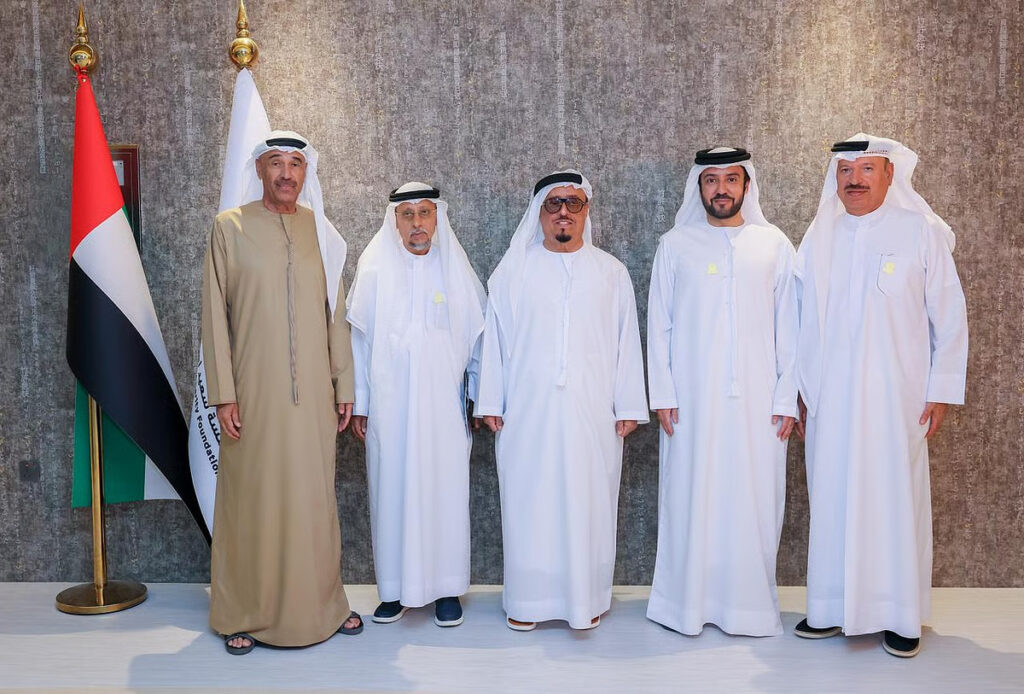
Dubai: The Saeed Ahmed Lootah Charitable Foundation reviewed key developments at Dubai Medical University Hospital and Dubai Medical University, focusing on governance, institutional readiness, and the integration of smart technologies in healthcare delivery and medical education.
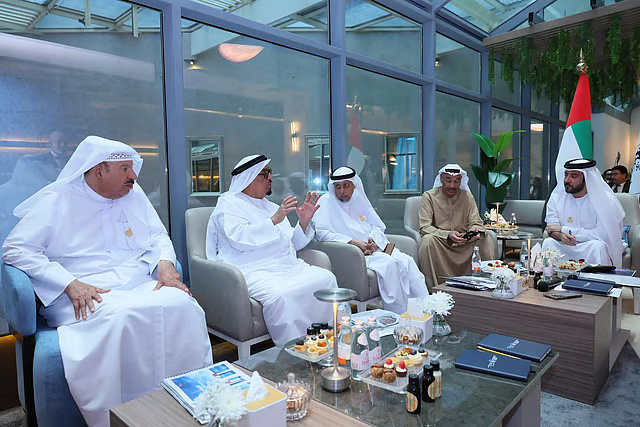
The review took place during the Foundation’s second Board of Trustees meeting of 2026, chaired by Dhahi Khalfan Tamim, Deputy Chief of Police and Public Security in Dubai and Chairman of the Board of Trustees. The meeting was held at Dubai Medical University Hospital and attended by board members Yahya Saeed Ahmed Lootah, Hussein Nasser Lootah, Mohammed Murad Abdullah, and Ahmed Al Haddad, along with senior officials.
Strategic Phase for Hospital and University
The Board’s decision to hold the meeting at the hospital highlighted what officials described as a critical stage in the development of both the hospital and the university. Together, the institutions form a non-profit academic healthcare ecosystem that integrates patient care, medical education, clinical training, and advanced technology to support innovation and excellence in healthcare.
Members reviewed the hospital’s operational readiness and upcoming phase of development, including plans to expand services, upgrade medical facilities, strengthen technical infrastructure, and enhance governance systems aimed at improving patient safety, service quality, and operational efficiency.
Tour of Smart Facilities
As part of the meeting, Board members toured several key facilities, including the AI-powered control room, the elderly care wing, and the VIP wing. They received briefings on ongoing enhancements to patient experience systems and the growing adoption of smart technologies to support hospital operations and clinical workflows.
Dhahi Khalfan: Focus on Quality and Institutional Maturity
Speaking during the meeting, Dhahi Khalfan Tamim emphasized the importance of maintaining high standards of quality, strengthening governance practices, and advancing institutional maturity. He highlighted the role of innovation and smart technologies in enhancing healthcare services and supporting the hospital’s long-term vision for excellence in patient care and medical education.
Dhahi Khalfan: Focus on Quality and Institutional Maturity
Lieutenant General Dhahi Khalfan Tamim said the hospital is entering a phase that demands a more structured and mature institutional approach.
He emphasized that the future of healthcare is not defined solely by the expansion of services, but by the ability to build robust systems that uphold quality standards, ensure patient safety, and effectively integrate technology into decision-making processes.
Dhahi Khalfan added that the hospital’s non-profit academic model provides a unique advantage by connecting treatment with knowledge, training with practice, and innovation with community needs. He called for “measured growth and performance-based trust” as the institution advances its next stage of development.
Academic and Governance Updates
The Board also reviewed updates on academic programmes, institutional governance, and strategic initiatives aimed at strengthening the integration between healthcare services and medical education. Discussions focused on enhancing operational efficiency, reinforcing governance frameworks, supporting research and clinical training, and ensuring readiness for future growth in line with the institution’s long-term vision.
Academic and Governance Updates
The Board also reviewed developments at Dubai Medical University, with discussions centred on strengthening academic and training programmes and aligning them with the evolving needs of the healthcare sector. The objective is to prepare highly qualified professionals capable of adapting to rapid advances in medical practice, healthcare delivery, and emerging technologies.
Members also examined governance, financial oversight, and administrative readiness, stressing the importance of greater transparency, discipline, and operational efficiency in managing current and future development projects. The discussions highlighted the need for robust institutional frameworks to support sustainable growth and long-term impact.
Yahya Lootah: Efficiency Before Expansion
Yahya Saeed Ahmed Lootah emphasized that the Foundation’s foremost priority is to establish strong institutional foundations before pursuing further expansion.
He noted that sustainable growth depends on efficient systems, sound governance, and effective resource management, adding that expansion should be guided by readiness, performance, and the ability to maintain high standards across all areas of operation.
Yahya Lootah: Efficiency Before Expansion
Yahya Saeed Ahmed Lootah said the Foundation’s focus is on building a hospital that operates efficiently and responds to genuine community needs, supported by qualified talent, effective governance, and robust performance measurement systems.
He highlighted the role of artificial intelligence and smart technologies in improving patient access to services, streamlining operational processes, and enhancing the management of resources across the institution.
“We want a hospital that clearly understands why each service is provided, who it serves, and how its quality is measured before expanding it,” he said.
Community Collaboration and Next Phase
Board members also discussed the importance of strengthening collaboration with the wider community and key stakeholders as the hospital and university enter their next phase of development. Discussions focused on fostering partnerships, enhancing community engagement, and ensuring that future initiatives remain aligned with public health priorities and societal needs.
The Board reaffirmed its commitment to advancing a sustainable, non-profit academic healthcare model that integrates patient care, medical education, clinical training, research, and technological innovation, while maintaining high standards of governance, quality, and operational excellence.
Community Collaboration and Next Phase
The meeting also featured a presentation by representatives of Goodness Courts, who outlined opportunities for collaboration on community and humanitarian programmes. The proposed partnership aligns with ongoing efforts to develop more structured, sustainable, and impactful social initiatives that serve broader community needs.
The Board concluded by reaffirming its commitment to advancing the Foundation’s integrated ecosystem through a balanced approach that combines strong governance, operational readiness, talent development, and the adoption of advanced technologies.
Officials said this strategic direction will further strengthen the Foundation’s contributions to healthcare, education, and community service, while enhancing the role of Dubai Medical University Hospital and Dubai Medical University as key drivers of innovation, medical education, and healthcare excellence in Dubai and across the United Arab Emirates.

