

Biometric checks at Schengen-area airports are being eased as the new Entry/Exit System (EES) causes queues and disruptions across European travel.
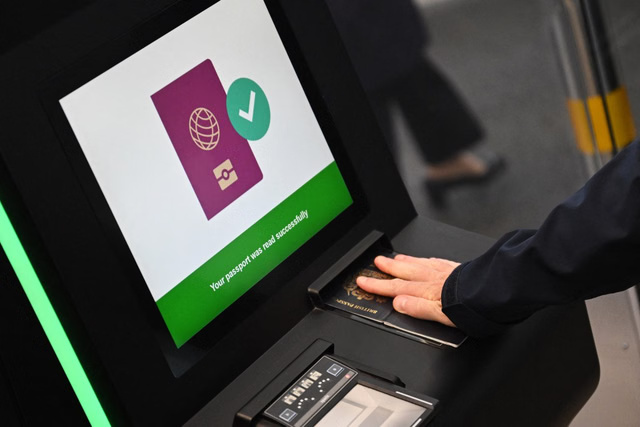
Dubai: Millions of travellers entering Europe are now being processed under the European Union’s new Entry/Exit System (EES), a digital border-control system that replaces manual passport stamping with biometric registration.
The system became fully operational across the Schengen Area on April 10, 2026. Since its rollout, major airports such as Paris Charles de Gaulle, Amsterdam Schiphol, and Frankfurt have reported congestion during peak travel periods, leading the European Commission to permit temporary suspension of biometric checks when queues become too long..
For travellers from the UAE, the entry requirements for Europe remain unchanged, but the airport arrival process has been updated due to the new digital border system. Here’s a practical checklist to help you prepare before departure and reduce delays on arrival:
Before booking your trip, it’s important to understand what applies under the new Entry/Exit System (EES). The system covers non-EU travellers entering Schengen countries for short stays.
You will be processed under EES if you are:
Under the new Entry/Exit System (EES), you will be processed if you are:
- A UAE passport holder travelling visa-free to Schengen countries
- A UAE resident travelling on a passport that requires a Schengen visa
- Entering Europe for tourism, business, conferences, or other short short-term visits
You will not be subject to EES if you are:
- An EU or Schengen citizen
- A holder of a residence permit issued by an EU country
- Travelling to non-Schengen European destinations such as Ireland
The system collects and stores:
- Passport information
- Fingerprints
- Facial image
- Time and location of entry and exit
The European Commission states the system is designed to enhance border security and automatically track overstays.
Check your passport before travel
Border authorities are placing closer attention on passport validity under the new Entry/Exit System (EES). Before flying, make sure to:
- Ensure your passport has at least six months’ validity
- Confirm you have at least two blank pages
- Check for damage such as tears, water exposure, or loose pages
Travel industry groups also caution that passengers with nearly full passports may face additional checks, especially if manual stamping is required during peak congestion periods.
Expect longer processing times
Even with temporary easing measures, delays are still possible as European airports adapt to the new systems, including:
- Biometric kiosks
- eGates
- Manual fallback processing
- Real-time passenger flow management
Several major hubs are expected to experience heavier traffic as the rollout stabilizes.
Major European hubs expected to see heavier processing under the new Entry/Exit System (EES) include:
- Paris Charles de Gaulle Airport
- Amsterdam Airport Schiphol
- Frankfurt Airport
Travel managers and airlines are advising passengers to prepare for longer airport processing times and to adjust travel plans accordingly. Recommendations include:
- Arriving earlier than usual
- Keeping boarding passes easily accessible throughout transit
- Avoiding tight flight connections where possible
Many travel operators are also suggesting adding extra buffer time for connecting flights—typically around 30 to 45 minutes—to reduce the risk of missed connections during the transition period.
What happens during biometric checks
At your first entry into the Schengen Area, you may be directed to an Entry/Exit System (EES) kiosk or border control booth where the following steps typically occur:
- Passport scan: Your travel document is electronically read and linked to your profile.
- Facial image capture: A live photo is taken for identity verification.
- Fingerprint scanning: Digital fingerprints are collected (usually four fingers, depending on system setup).
- Data registration: Your entry date, time, and location are recorded in the system.
- System verification: Your details are checked against visa rules, entry eligibility, and overstays.
Once completed, your biometric profile is stored and reused for future short-stay entries, which may make subsequent border crossings faster.
If queues are heavy, some airports may temporarily switch to manual processing or simplify steps to reduce congestion, but identity verification still remains mandatory.
At your first external entry point into the Schengen Area, you may be directed to one of the following:
- A self-service kiosk
- An eGate
- A staffed immigration counter
During processing, you may be required to:
- Scan your passport
- Provide fingerprints
- Capture a facial image
This full biometric registration typically occurs only at your first entry into the Schengen system.
Important update:
If queues become too long, border authorities can temporarily switch back to manual passport stamping instead of completing biometric capture immediately. The European Commission approved this flexibility on May 4 after reports of congestion and missed connecting flights at major airports. The Entry/Exit System (EES) database continues to operate in the background even during these temporary adjustments.
Reverting to manual stamping
In periods of congestion, travellers may be temporarily processed using manual passport stamping. However, this does not replace the Entry/Exit System (EES) record entirely. Instead:
- Your border crossing is still digitally logged
- Airlines continue to transmit passenger data to authorities
- Missing biometric information may be collected during a later entry or exit
Mobility and travel advisers also recommend keeping supporting travel documents, such as:
- Boarding passes
- Hotel reservations
- Flight itineraries
These can help clarify travel history if any discrepancies arise in future entries or system records.
Closely track Schengen stay days
The Entry/Exit System (EES) automatically enforces the Schengen 90/180-day rule. UAE nationals can stay up to 90 days within any rolling 180-day period in the Schengen Area.
Overstays can result in fines, entry bans, or additional scrutiny on future trips. Frequent travellers are advised to:
- Track days spent in Europe manually or with travel apps
- Keep records of all entries and exits
- Carefully monitor multi-country itineraries, since time spent in any Schengen country counts toward the same limit
Plan for busy European travel periods
Border congestion is expected to increase during peak travel periods, including:
- Pentecost holidays
- Ascension Day weekends
- Summer school holidays
- Major international conference seasons
Countries likely to see high passenger volumes
During these peaks, heavier traffic is typically expected in major Schengen destinations such as France, Germany, Spain, Italy, and the Netherlands, especially through their primary international airports.
Higher passenger volumes are expected in key Schengen destinations such as Germany, France, Switzerland, and Netherlands.
Morning arrivals and peak evening connection periods are likely to experience the highest congestion, particularly at major hub airports handling long-haul and connecting traffic.
What corporate travellers are factoring in
Companies with employees who travel frequently to Europe are updating travel policies as Entry/Exit System (EES) procedures vary across countries, airports, terminals, and even time of day.
Business travellers are being advised to:
- Avoid tight or short layovers to reduce missed connections
- Carry printed itineraries in addition to digital copies
- Keep immigration and travel documents easily accessible during transit
- Monitor airline and airport alerts before departure
Travel-management firms also note that implementation of the new system may continue to evolve through the summer as airports adjust passenger-flow and biometric processing systems.
Another upcoming EU travel change
The Entry/Exit System (EES) is the first step in a wider EU border digitisation plan. The next phase is the European Travel Information and Authorisation System (ETIAS), expected to launch in late 2026.
Once it becomes active:
- Visa-exempt travellers, including UAE nationals, will need to apply online before travel
- Approval will be required before boarding flights to Schengen countries
- The system is not yet operational, according to EU authorities
UAE traveller pre-trip checklist
Final things to check before departure:
- Passport validity (at least 6 months recommended)
- Schengen visa or visa-free eligibility status
- Entry/Exit System (EES) requirements for first-time entry
- Flight connections and layover buffer time
- Hotel bookings and return ticket confirmation
- Airline updates on airport processing times
- Planned stay duration within the 90/180-day limit
Keeping these in order can help reduce delays and avoid issues during border checks.
Final pre-travel checklist
Before travelling, make sure you are prepared for the updated EU border processes:
- Verify passport validity and ensure sufficient blank pages
- Check visa or visa-free entry requirements for your passport
- Arrive earlier than usual at the airport
- Allow extra time for transit connections
- Keep both digital and printed copies of travel documents
- Monitor airline and airport advisories before departure
- Retain boarding passes until your return journey is complete
- Track your Schengen stay days carefully under the 90/180 rule
The European Commission has said that temporary flexibility measures at borders will be reviewed after the late-May holiday travel period, as authorities assess whether further adjustments are needed ahead of the peak summer season.

