

Hajj leave in UAE private firms: Rules, eligibility, and how to apply.
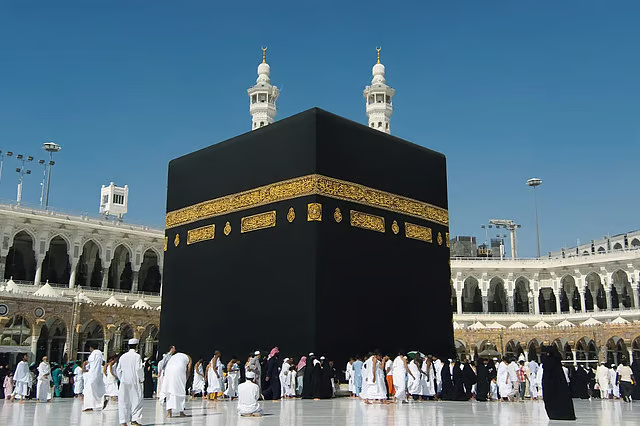
Dubai: Planning to perform Hajj this year requires more than travel arrangements and pilgrimage preparations. For those employed in the UAE’s private sector, one important step is securing your leave in advance.
Here’s a guide on how Hajj leave works and what you need to do before submitting your application.
What is Hajj leave?
According to the UAE Labour Law (Federal Decree-Law No. 33 of 2021), employees are entitled to special leave to perform the Hajj pilgrimage. This type of leave is distinct from other leave categories and is subject to specific conditions.
In most cases:
- Hajj leave is unpaid
- It can be granted for up to 30 days
- It is allowed only once during your employment with the same employer
This means that if you have already taken Hajj leave with your current employer, you are not entitled to it again unless you change jobs.
Rules for Free Zones in the UAE
If you work in a financial free zone, the rules differ slightly, though the general principles remain the same.
Under the Dubai International Financial Centre (DIFC) Employment Law:
- Muslim employees must have completed at least one year of continuous service
- Entitled to up to 21 days of unpaid leave
- Can take this leave only once per employer
Abu Dhabi Global Market (ADGM):
- Employees must have completed at least one year of service
- Entitled to up to 30 calendar days of unpaid leave
- Leave can be taken once during employment with the same employer
When to Apply for Hajj Leave
Since Hajj leave can last several weeks, it’s important to apply as early as possible. Employers need time to plan for your absence, especially if your role involves ongoing responsibilities or deadlines. Ideally:
- Submit your request well in advance—several weeks or even months ahead
- Avoid last-minute requests, which may affect approval or workplace arrangements
How to Apply for Hajj Leave
While the exact process varies by company, most UAE employers follow a similar approach for submitting and approving Hajj leave.
How to Apply for Hajj Leave
- Submit a formal request – Send a written application to your manager or HR department. Many companies require submissions through an internal HR system.
- Provide supporting documents – You may need to show proof of your intention to perform Hajj, such as Hajj registration confirmation, travel bookings, or itinerary.
- Plan your workload – Complete pending tasks, hand over responsibilities, and brief your team or manager on ongoing work before your leave begins.
- Agree to employer conditions – Some employers may require you to ensure a smooth handover or be available for urgent queries before departure.
Things to Keep in Mind
Hajj leave is not automatic. While UAE law permits employers to grant it, approval depends on company policies and operational requirements, making early communication essential.
Additional points to consider:
- The leave is unpaid, so plan your finances accordingly
- Duration may vary depending on employer approval
- Company policies may offer extra flexibility, but cannot exceed legal limits
Hajj is a once-in-a-lifetime religious obligation for many Muslims. UAE labour laws recognise its significance by allowing dedicated leave. However, since it is unpaid and limited to one-time use per employer, careful planning is crucial.

