

The UNESCO-listed reserve has welcomed visitors through controlled public tours since January, with bookings available through Fujairah Holidays starting from Dh300.
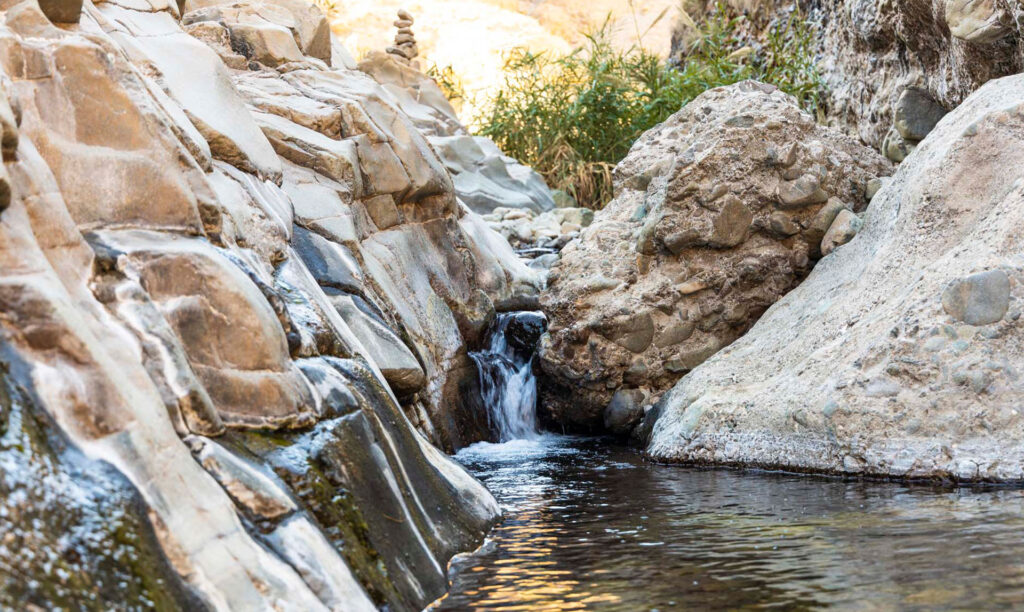
Hidden among Fujairah’s Hajar Mountains, Wadi Wurayah is home to flowing streams, natural springs and a rare waterfall that continues to run even during the UAE’s hottest summer months.
For many years, the secluded mountain reserve remained largely inaccessible to the public, allowing its trails, freshwater pools and rugged valleys to remain protected while researchers studied its biodiversity and authorities focused on conserving its delicate ecosystems.
Wadi Wurayah, which was recently added to the UNESCO World Heritage List, has welcomed visitors through controlled group tours since January 2026, according to a senior official from the Fujairah Environment Authority.
Access to Wadi Wurayah is not open-ended. Visitors must join an organised tour operated by Fujairah Holidays, ensuring people can experience the reserve while helping protect its fragile ecosystem.
Here is everything visitors need to know about the protected area, its previous closure and how to plan a visit.
Can UAE residents and tourists visit Wadi Wurayah?
Yes. Wadi Wurayah reopened for public visits in January 2026, but access remains limited to organised group tours.
“Anybody can register through our operational partner, Fujairah Holidays,” said Asilah Abdullah Al Mualla, Director-General of the Fujairah Environment Authority.
The controlled access system is designed to balance tourism with conservation, allowing visitors to explore the reserve while minimising the impact on its sensitive natural environment.
How can visitors book a trip?
Tours can be booked through the Fujairah Holidays website under the package “Explore Wadi Wurayah.”
The offering includes a guided day tour and day pass, with prices starting from Dh300 per person.
According to the tour listing, visits are available on Saturdays, with limited spaces for each trip.
Does Wadi Wurayah really have a waterfall that flows throughout the year?
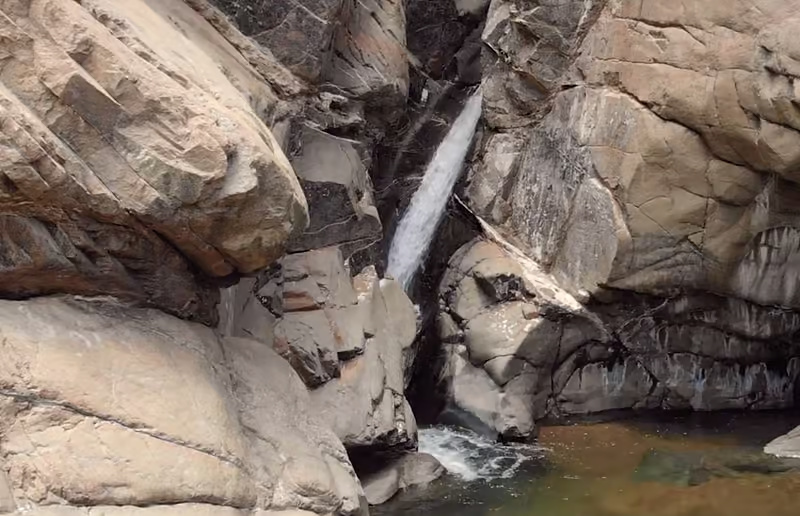
Yes. During a visit to the reserve in January 2025, researchers revealed that more than 60 natural springs contribute water to a channel stretching over 6km before flowing into the waterfall.
The waterfall stands around 13 metres high and, according to geologists working with the Fujairah Environment Authority’s research team, may have been flowing continuously for at least 10,000 years.
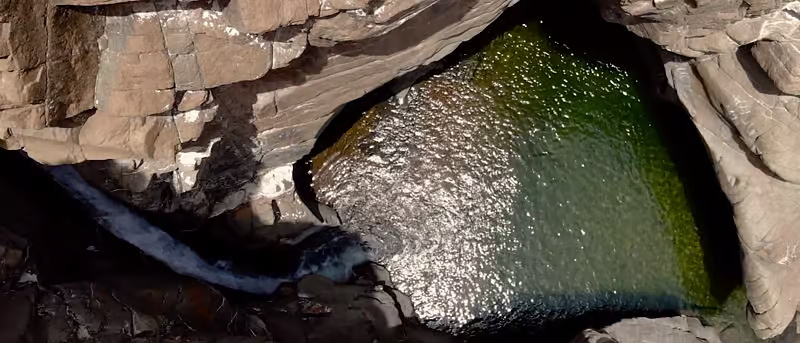
The year-round water source supports a unique ecosystem rarely found elsewhere in the UAE. The pool beneath the waterfall is home to the Garai fish, a species that has adapted to survive the sudden flash floods that occasionally pass through the wadi.
What to see inside the reserve?
When visited Wadi Wurayah in January 2025, public access remained largely restricted to researchers, students and registered conservation volunteers.
Around 15 residents were granted entry through the Emirates Nature-WWF’s Leaders of Change initiative, taking part as “citizen scientists” to support conservation efforts.
After trekking approximately 2.5km through the wadi, the volunteers arrived at a freshwater pool, where they carefully collected toads, recorded measurements and returned them safely to their natural habitat.
Researchers explained that toads and dragonflies serve as important indicators of water quality, as they are highly sensitive to pollution and changes in water conditions. Regular monitoring and data collection help track the health of Wadi Wurayah’s freshwater ecosystem.
The journey through Wadi Wurayah highlights the dramatic transformation of the landscape within the reserve. Rugged, barren mountain slopes gradually give way to flowing streams, lush vegetation, freshwater pools and signs of wildlife thriving among the rocky terrain.
For some visitors, returning to the reserve has also revived memories from before it became a protected area.
Dr Nadia Al-Alawi recalled family camping trips to Wadi Wurayah during the 1970s.
“There was a pool here and we used to jump into it,” she said during the 2025 visit. “It was such a lovely memory for us as children. I stood in front of that area and took a picture to send to my little sister.”
How did Wadi Wurayah get its name?
Researchers believe the name Wadi Wurayah is connected to a local plant known as Wara’a, which grows widely across the area.
Traditionally, the plant’s leaves were used to create summer shelters, and its presence and historical importance are thought to have inspired the name of the wadi.
Why was Wadi Wurayah closed?
Authorities closed the reserve to tourists in 2013 after conducting studies into its habitats and biodiversity.
The closure applied only to general visitors, while students, scientists and researchers continued to access the area for conservation work and scientific studies.
According to Al Mualla, research indicated that limiting tourism helped support the recovery and protection of the ecosystem.
What makes Wadi Wurayah special?
Located around 45km from Fujairah city, Wadi Wurayah covers approximately 220 square kilometres of mountainous landscape.
Scientific studies in the area began in 2006, with an initial survey identifying 860 species, more than 300 springs and 60 streams. The findings highlighted the reserve’s ecological importance and strengthened efforts to protect its unique environment.
Today, Wadi Wurayah is known to support 1,099 recorded species, including:
- 216 plant species
- 114 bird species
- 20 mammal species
- 30 reptile and amphibian species
The reserve provides a habitat for several rare and endangered animals, including the Arabian tahr, Blanford’s fox and the caracal.
It is also home to unique plant species, including the wild orchid Epipactis veratrifolia, which authorities describe as the only known example of its kind in the UAE.
The reserve’s year-round springs and freshwater ecosystems are especially remarkable given the UAE’s generally dry mountain environment.
“The freshwater habitat in the area is unique, and the ophiolite gives it more uniqueness in the way it reacts with the freshwater to form a lasting surface-water system,” Al Mualla said.
Ophiolite refers to sections of ancient oceanic crust and upper mantle rock that have been exposed on land. Their interaction with water helps create the reserve’s distinctive geological features and supports its unusual ecosystem.
Why is the UNESCO recognition significant?
Wadi Wurayah’s inclusion on the UNESCO World Heritage List marks the UAE’s third listed site and its first recognition for outstanding natural value.
The designation highlights the reserve’s exceptional biodiversity, rare ecosystems, permanent freshwater resources and distinctive geological characteristics, placing it among globally important natural heritage sites.

