

Tourism chief highlights Dubai’s strategy to turn visitors into residents and entrepreneurs.
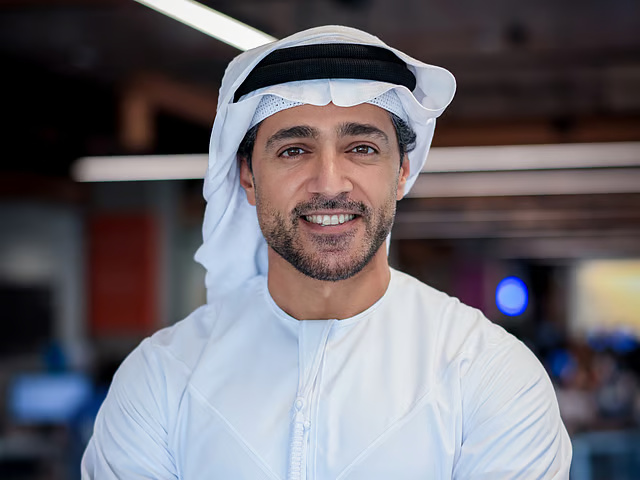
Dubai: Every visitor who experiences Dubai could become a future resident, entrepreneur or investor, according to Issam Kazim, as the emirate seeks to translate its strong tourism performance into sustained economic growth and long-term investment opportunities.
Kazim said Dubai views tourism as more than a visitor economy, positioning it as a gateway to attracting new residents, business owners and investors who can contribute to the city’s continued development and diversification.
In an exclusive interview, Issam Kazim said Dubai’s tourism strategy is becoming increasingly integrated with the emirate’s broader economic ambitions, as more visitors transition from short-term stays to remote working, entrepreneurship, investment and, in many cases, permanent relocation.
He noted that Dubai is increasingly attracting travellers who initially visit as tourists but later choose to live, work or establish businesses in the city, reinforcing tourism’s role as a driver of long-term economic growth.
“Tourism’s contribution to Dubai’s economy goes far beyond visitor arrivals. It serves as a gateway through which investment, talent and long-term residents are drawn to the city,” said Issam Kazim.
He added that Dubai’s growth model is built on turning visitors into long-term contributors to the economy.
“Every visitor who experiences this city is a potential future resident, business owner or investor. That circular growth model — from transit passenger to tourist, from short stay to extended visit, from remote worker to permanent resident — is directly strengthening Dubai’s broader economy,” Kazim said.
According to Kazim, this progression from tourism to residency, entrepreneurship and investment has become an increasingly important pillar of Dubai’s long-term economic strategy.
The comments come as Dubai seeks to sustain its tourism momentum amid regional uncertainty, with policymakers increasingly positioning the sector as a key engine for investment, talent attraction and long-term population growth.
Dubai remains open and stable
Issam Kazim said Dubai’s continued appeal is underpinned by its ability to maintain seamless operations, strong connectivity and high service standards even during periods of external volatility.
“Dubai’s appeal today is anchored in operational reality, not perception,” he said. “The city remains safe, stable and open, with tourism infrastructure, public services and connectivity functioning and meeting the expectations of both residents and visitors.”
Kazim noted that while Dubai remains attentive to developments in the wider region, its priority is to ensure a consistent visitor experience and reinforce the city’s attractiveness across both international and domestic markets. He said the emirate’s resilience, infrastructure and quality of life continue to support its position as a leading global destination for tourism, business and long-term residency.
Kazim said Dubai’s tourism strategy has become even more relevant at a time when travellers are increasingly prioritising safety, seamless mobility and confidence in public services when choosing destinations.
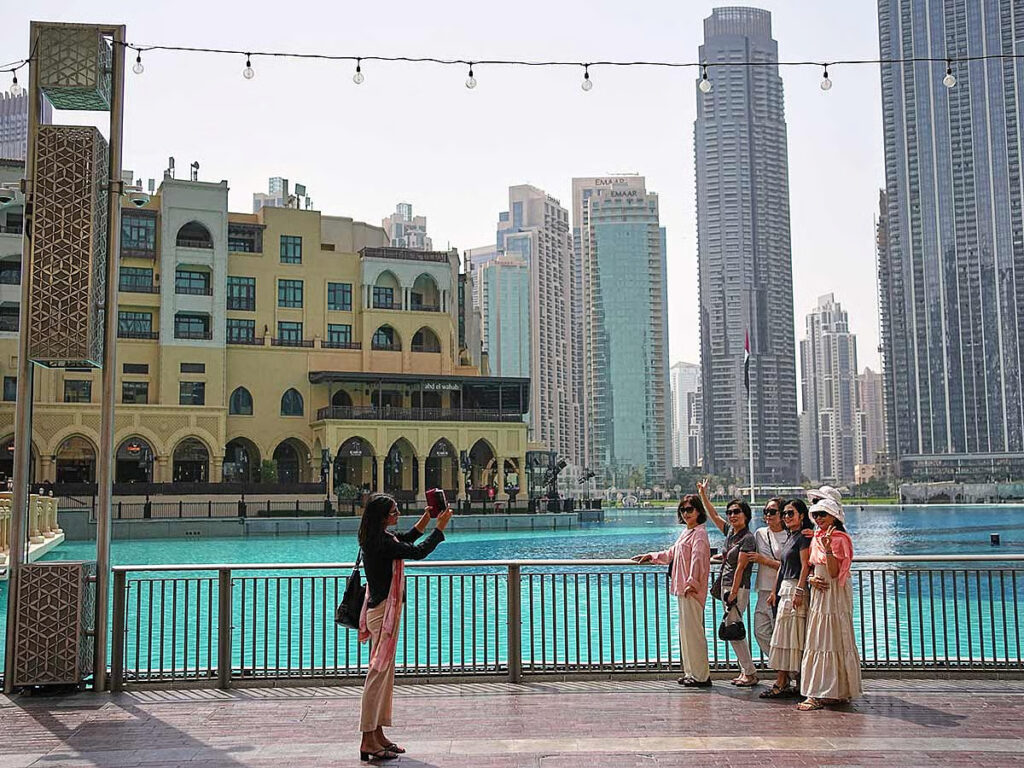
While Dubai continues to promote itself across both established and emerging source markets, the emirate has also benefited from strong support from its resident population, which plays an important role in sustaining the domestic tourism sector.
According to Issam Kazim, Dubai’s diverse population — representing nearly 200 nationalities — has become a significant advantage, helping generate consistent demand for hotels, restaurants, attractions and events throughout the year.
“At the same time, we’ve seen a remarkable uplift in domestic tourism, driven in no small part by our resident base of nearly 200 nationalities, a uniquely diverse population that continues to actively discover and engage with the city, providing a resilient foundation for the tourism sector and reinforcing long-term market stability,” he said.
Kazim noted that this strong domestic demand complements international visitor arrivals, helping to create a more resilient tourism ecosystem and supporting the sector’s long-term growth even during periods of global uncertainty.
Dh1 billion support package
Dubai has also introduced targeted support measures for hospitality and tourism businesses, aimed at easing operational pressures and helping companies maintain continuity during challenging periods.
Issam Kazim said the emirate acted swiftly to support industry stakeholders, recognising that the success of the tourism sector is closely linked to the resilience of the businesses that operate within it.
“Thanks to decisive leadership, we moved quickly to support our partners, because the strength of the ecosystem depends on the health of every player within it,” he said.
Kazim noted that the support package forms part of Dubai’s broader strategy to safeguard the tourism and hospitality sector, strengthen business confidence and ensure that the city remains well-positioned for sustained growth and competitiveness.
Dh1 billion package aimed at protecting tourism businesses
Under the directives of Sheikh Hamdan bin Mohammed bin Rashid Al Maktoum, Crown Prince of Dubai, Deputy Prime Minister and Minister of Defence of the UAE, and Chairman of The Executive Council of Dubai, a Dh1 billion economic incentive package was introduced to support the hospitality and tourism sector.
The measures include allowing hotels to defer 100% of sales fees on rooms, food and beverage services, as well as the Tourism Dirham, for a period of three months. The initiative is intended to ease financial pressures on businesses and help maintain operational stability.
Issam Kazim said the package was designed to preserve liquidity across the sector and ensure business continuity, while authorities maintained close engagement with industry stakeholders.
“Ultimately, we recognise the importance of close collaboration between the public and private sectors, especially since transparency and coordination are as important as the incentives themselves,” he said.
Kazim added that ongoing dialogue between government entities and private-sector operators remains a key part of Dubai’s approach, helping ensure that support measures are aligned with industry needs while reinforcing confidence in the emirate’s tourism and hospitality ecosystem.
Dubai has also relied on consumer-focused campaigns to sustain momentum across the hospitality sector and stimulate spending at local businesses.
Initiatives such as Dubai A Fine Way to Dine and Dubai Restaurant Week have encouraged residents and visitors to explore both new and established restaurants through special offers and curated dining experiences across a wide range of venues.
According to tourism officials, these campaigns help drive footfall to restaurants, support the wider hospitality industry and reinforce Dubai’s position as a leading culinary destination, while also contributing to year-round activity across the city’s tourism ecosystem.
Record visitor numbers
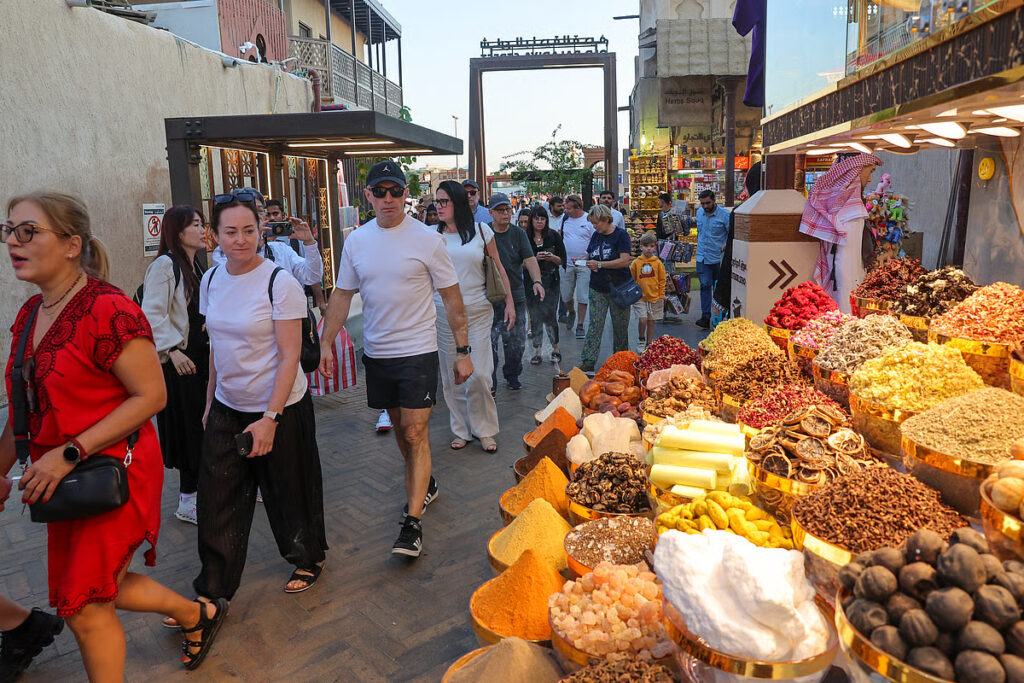
Dubai entered the current period from a position of strength after welcoming 19.59 million international visitors in 2025, marking a third consecutive year of record-breaking tourism growth.
Issam Kazim said the strong performance reflects the emirate’s ability to attract visitors from a broad range of source markets while maintaining its appeal as a destination not only for tourism, but also for living, working and investing.
He attributed the growth to Dubai’s diversified tourism strategy, global connectivity, world-class infrastructure and continued demand from travellers seeking business, leisure and lifestyle opportunities in the city. The sustained influx of visitors has further strengthened Dubai’s position as one of the world’s leading tourism and investment destinations.
“Dubai entered this period from a position of strength, and that foundation continues to shape our confidence,” said Issam Kazim.
Kazim noted that Dubai’s broader economic performance has continued to support tourism growth. According to figures he cited, the emirate’s GDP reached Dh937 billion in 2025, aided by 6.4% year-on-year growth in the fourth quarter.
The city’s connectivity also remains a major advantage. Dubai International Airport handled a record 95.2 million passengers in 2025, further cementing Dubai’s status as one of the world’s leading aviation and travel hubs.
Kazim added that market diversification has been central to Dubai’s tourism strategy, helping reduce dependence on any single source market or travel corridor. The emirate now maintains active engagement across more than 80 source markets, supporting a steady flow of visitors from different regions and enhancing the sector’s resilience to global economic and geopolitical shifts.
Issam Kazim said that Dubai’s engagement across more than 80 source markets ensures that no single travel corridor dominates or determines overall tourism performance.
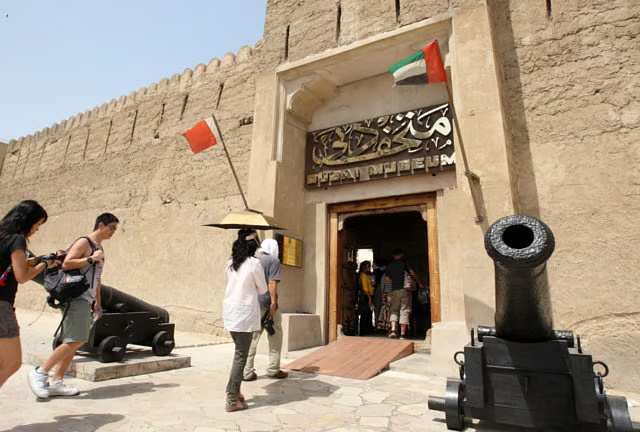
He added that diversification has become a core element of the city’s resilience strategy. When demand softens in one region, Dubai is able to offset it with stronger inflows from other markets, supported by its extensive airline connectivity, hotel infrastructure, business events calendar and wide-ranging leisure offerings.
Kazim noted that this multi-market approach helps stabilise visitor numbers and reinforces Dubai’s ability to maintain steady tourism growth even amid global economic fluctuations or shifts in travel patterns.
From tourism to long-term growth
Dubai’s tourism sector is increasingly being positioned as a gateway to the wider economy, where short-term visits often evolve into longer-term engagement with the city.
Visitors arrive for holidays, events or stopovers, but many later return as professionals, entrepreneurs or investors, choosing to establish businesses, purchase property or relocate with their families.
This shift reflects Dubai’s broader strategy of converting tourism momentum into sustained economic value, linking visitor experiences with opportunities for work, investment and long-term residency.
The approach aligns with the objectives of the Dubai Economic Agenda D33, which aims to double the size of Dubai’s economy and reinforce its position as a global hub for business, talent and investment.
Issam Kazim said the city’s tourism proposition is built on year-round demand, supported by a strong calendar of events, world-class hospitality infrastructure, and the continuous development of new attractions and experiences.
“What distinguishes Dubai is its ability to operate seamlessly through disruption while continuing to enhance its offering, ensuring the sustained resilience of Dubai’s tourism ecosystem,” he said.
Kazim added that this resilience-driven model helps sustain visitor confidence and reinforces Dubai’s positioning as a stable, globally competitive destination for tourism, business and long-term growth.
The city’s previous response to major global shocks continues to shape its current approach to resilience and recovery.
Issam Kazim pointed to Dubai’s handling of the Covid-19 pandemic, when the city reopened to international visitors on July 7, 2020, ahead of many major global destinations. By 2023, Dubai had not only recovered but also surpassed its pre-pandemic international visitation records.
He also referenced the city’s performance during the global financial crisis, saying similar principles of adaptability and continuity are evident today.
“Dubai’s resilience stems from decisive leadership, institutional agility and a consistent commitment to business continuity,” he said.
“For Dubai, challenges are opportunities and our current approach is a testament to the same calm and confident leadership that has always defined this city at its best.”
Kazim added that this long-standing approach reinforces Dubai’s ability to navigate uncertainty while maintaining momentum in tourism, investment and broader economic growth.
Issam Kazim said Dubai’s focus in the coming months will remain on reinforcing its position as a global destination for opportunity, investment and growth.
He added that tourism will continue to play a central role in this strategy, bringing in visitors who may later transition into long-term contributors to the city’s economy, whether as residents, entrepreneurs or investors.

