

Gulf tensions escalate as tanker attacks, base strikes and aviation risks mount.
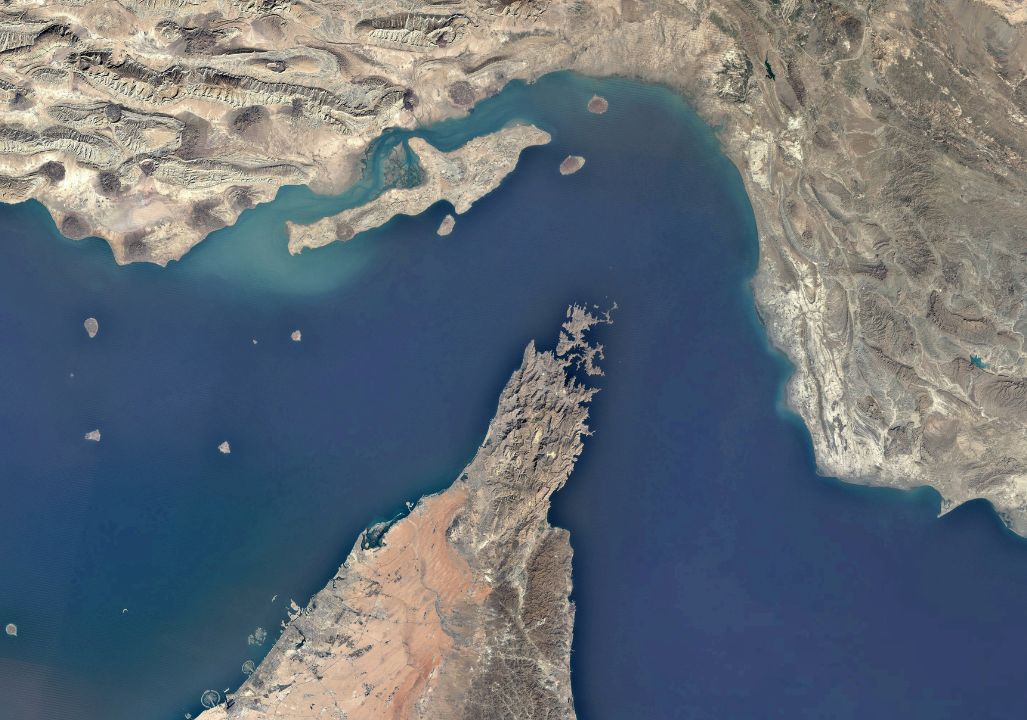
Fresh tanker attacks, Iranian claims of strikes on US military facilities in the region, and ongoing travel disruptions indicate that the Strait of Hormuz crisis remains unresolved.
The confrontation between the United States and Iran showed no signs of de-escalation on Tuesday, as both sides reported fresh attacks, intensifying security concerns across the Gulf.
Reports of Iranian strikes on US military facilities in the region came alongside fresh US attacks on targets inside Iran.
At the same time, fresh attacks targeting commercial shipping near the Strait of Hormuz and ongoing disruptions to regional air travel have intensified concerns over maritime security, aviation operations and the possibility of a wider regional conflict.
Here are the key developments UAE residents need to know:
Dubai airports operating near full capacity
For travellers, the situation is showing signs of improvement compared with earlier stages of the conflict. Dubai Airports CEO Paul Griffiths said Dubai International Airport (DXB) is operating at or close to full capacity, with flight activity increasing as regional airspace conditions allow.
He said the airport has restored most operations after months of disruption caused by missile threats, temporary airspace closures and changes to flight routes.
Iran claims strikes on US bases in Bahrain and Kuwait
Iran’s Islamic Revolutionary Guard Corps (IRGC) said it targeted US military facilities in Bahrain and Kuwait, expanding the reported scope of the conflict.
Independent verification of the extent of any damage or casualties remains limited, but the claims have raised concerns over the possibility of further escalation beyond Iran’s borders.
Commercial shipping faces renewed threats
The maritime situation remains highly uncertain after two Dynacom Tankers vessels were hit by projectiles while sailing off the coast of Oman near the Strait of Hormuz.
The incidents have renewed concerns over the safety of commercial shipping in one of the world’s most important energy corridors, despite the presence of international naval escorts.
Iran had earlier claimed that two oil tankers “exploded” after travelling through what it described as an unsafe southern route in the strait.
Gulf states remain vulnerable
While Gulf countries are not direct participants in the conflict, they remain exposed due to their strategic role in the region. They host major US military facilities, some of the world’s busiest ports and airports, and rely heavily on uninterrupted maritime trade through the Strait of Hormuz.
Any prolonged disruption could have significant implications for regional security, aviation, energy markets and global shipping.
Qatar eases some maritime restrictions
One positive sign is that Qatar has reportedly started easing certain maritime restrictions in its territorial waters, indicating a cautious return of commercial activity as security conditions permit.
Remaining challenges
Despite signs of recovery, several issues continue to affect regional travel and trade:
- Some international airlines are still facing war-risk insurance challenges, limiting their ability to fully restore schedules.
- Certain carriers continue to operate longer flight routes to avoid areas affected by the conflict.
- Travellers are advised to check flight status before departure, as schedules and operations may still change at short notice.
Air travel
UAE-based carriers, including Emirates and flydubai, continue to operate extensive schedules, supported by restored UAE airspace and established contingency measures.
However, some international airlines are still adjusting their Middle East operations. Air France, for example, has temporarily suspended flights to Dubai and Riyadh amid ongoing security concerns.
Why the Strait of Hormuz matters
The Strait of Hormuz is one of the world’s most critical energy routes, with nearly one-fifth of global oil consumption typically passing through the narrow waterway.
Any disruption to commercial shipping through the strait raises concerns over:
Global impact of Hormuz tensions
Any disruption in the Strait of Hormuz could have wider economic consequences, affecting:
- Global oil prices
- Shipping insurance costs
- Cargo delivery timelines
- Inflation pressures
- Energy security across Asia and Europe
Despite increased maritime security measures, risks remain elevated. The US Central Command has reported escorting up to 900 crude oil tankers through the Strait of Hormuz since early May, but recent attacks on commercial vessels highlight the continued vulnerability of merchant shipping in the region.
What UAE residents should watch next
Key developments to monitor include:
- Whether reported attacks on US military bases lead to a wider American military response
- Any new security warnings issued for vessels operating through the Strait of Hormuz
- Further airline suspensions, schedule changes or flight rerouting decisions
- Oil price movements and their potential impact on transport and consumer costs
- Updates from UAE authorities regarding aviation operations and security measures

