

Unresolved Hormuz tensions keep residents watching travel and economic impacts.
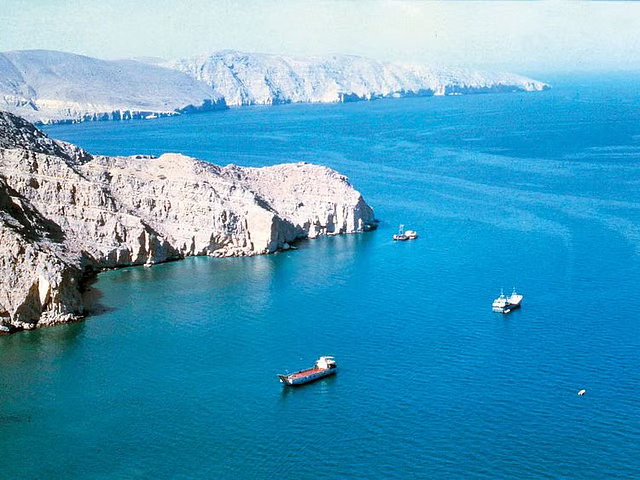
The US-Iran conflict remained unsettled on Friday, with the Strait of Hormuz continuing to be a focal point of diplomatic negotiations and economic concerns.
Residents across the UAE and the wider Gulf region are closely monitoring potential developments affecting air travel, fuel costs, shipping activity and regional security.
Here are the key developments UAE residents need to know on August 7:
Hormuz talks show progress, but no breakthrough yet
Diplomatic efforts to restore access through the Strait of Hormuz are ongoing, but no final agreement has been reached so far.
US Secretary of State Marco Rubio said on Thursday that discussions involving Iran and Oman had made progress, though several major issues remain unresolved.
US President Donald Trump has also expressed optimism that the conflict could be resolved soon.
Meanwhile, Iran has proposed new restrictions on vessels it considers “hostile”. Reuters reported on Friday that Tehran, in coordination with Oman, has suggested restricting US and Israeli vessels from using the waterway and imposing penalties of up to 20% of a cargo’s value for violations.
This means the Strait of Hormuz has not yet returned to normal operations, despite ongoing diplomatic efforts. The waterway remains strategically important for the Gulf and global energy markets, with around one-fifth of the world’s oil supplies passing through it.
Flights: Check updates before heading to the airport
UAE aviation operations remain stable, with most flights continuing as scheduled, although international services remain subject to possible last-minute changes.
Airlines are continuing to adjust flight schedules in response to regional security developments. Passengers travelling from the UAE are advised to check directly with carriers including Emirates, Etihad, flydubai and Air Arabia before leaving for the airport.
Some international airlines have also continued or extended temporary service suspensions. British Airways, for instance, has suspended certain flights to Dubai and Abu Dhabi, while the European Union Aviation Safety Agency has maintained advisories affecting several Gulf airspaces, including the UAE.
A confirmed flight booking does not always guarantee that services will operate as planned. Passengers should check their airline’s website or mobile app shortly before departure for the latest updates.
Oil markets remain focused on Hormuz
Oil prices are continuing to respond to uncertainty surrounding the Strait of Hormuz.
Brent crude rose on Friday to around $83.60 a barrel, up 1.35%, while US West Texas Intermediate (WTI) climbed to about $78.12, gaining 1.07%. Murban crude was also higher, rising 1.97% to $81.10 as of 10.10am UAE time on Friday, August 7, 2026.
The gains came as investors assessed concerns that reopening the Strait of Hormuz could prove more challenging than previously expected. However, prices remain significantly below the extreme levels recorded during earlier stages of the conflict.
Oil markets had dropped earlier in the week as traders anticipated a possible diplomatic breakthrough. Brent crude fell about 7% on Monday after Trump delayed further military action against Iran.
For consumers worldwide, prolonged disruption could eventually affect transport costs, logistics, airfares and imported goods prices. However, the impact on local markets will largely depend on how long any disruption continues.
Indirect impact for UAE residents
For most residents in Dubai, Abu Dhabi and other emirates, the immediate effects are more likely to come through indirect disruptions rather than a return to the heightened conditions experienced during earlier stages of the conflict.
Residents are advised to continue monitoring:
- Flight schedules, delays and cancellations
- Regional airspace restrictions
- Fuel and transport costs
- Potential increases in shipping-related prices
- Official safety and security updates from UAE authorities
The UAE has previously condemned Iranian attacks on its territory and reaffirmed its right to defend itself. Abu Dhabi has also stated that its territory, airspace and waters will not be used for military operations against Iran.
Shipping remains the biggest economic concern
Even if military activity declines, restoring normal commercial movement through the Strait of Hormuz could take time.
Shipping companies, insurers and energy traders require confidence that vessels can pass through the waterway safely. Previous incidents involving commercial ships and oil tankers have already increased the risks and costs associated with Gulf shipping.
The issue is particularly significant for the UAE, given the country’s strong links to global trade, ports, aviation and energy markets.
Stay informed, but avoid panic
Residents are advised to remain aware of developments, while there is no need for unnecessary concern.
The key distinction is between broader regional geopolitical uncertainty and an immediate impact on daily life within the UAE.
The UAE has faced direct attacks during the conflict, including missile and drone strikes, and authorities have responded with air defence systems and public safety measures.
Residents are advised to:
- Rely on updates from UAE government authorities and emergency services rather than unverified social media reports.
- Confirm flight details directly with airlines before travelling.
- Keep mobile phones charged and ensure emergency contacts are readily available.
- Avoid recording or sharing information about sensitive military or security activities.
- Stay away from suspected debris or unidentified objects.
- Maintain normal household supplies without resorting to panic buying.
What to watch next
The next key developments will depend on whether Washington and Tehran can reach an agreement on issues including the Strait of Hormuz, sanctions and access for commercial shipping.
A sustained reopening of the waterway could help ease pressure on oil prices, shipping costs and aviation operations.
However, if negotiations break down or Iran introduces further restrictions on vessels, markets could quickly shift direction and renew concerns over energy and trade disruptions.
For UAE residents, the key development to watch remains the Strait of Hormuz. A reopening of the waterway would mark a potentially important shift in the six-month conflict, while continued restrictions would prolong uncertainty for energy markets, shipping and travel.
The situation remains fluid, with developments capable of changing quickly.

