

Talks Return to the Table, but No Deal Yet as Strait of Hormuz Tensions Persist.
As of Tuesday, September 29, 2026, the US-Iran conflict remains unresolved, with military tensions, shipping restrictions and aviation disruptions continuing even as diplomatic efforts gather pace.
US President Donald Trump said American officials had held discussions with Iranian counterparts through mediators, indicating that formal negotiations could potentially resume.
The development comes after Trump rejected Iran’s proposal for a seven-day arrangement to reopen the Strait of Hormuz, which remains a key focus of tensions affecting regional shipping and energy markets.
Talks between the US and Iran remain indirect, with mediators including Qatar facilitating communication between Washington and Tehran as both sides consider the possibility of further diplomacy amid the conflict.
Speaking to reporters in the Oval Office, Trump said: “We’re going to win. As far as I’m concerned, it’s going to be one way or the other. It’s going to go pretty quickly.”
The shuttle diplomacy is aimed at identifying areas of common ground between the two sides.
Trump’s comments came as Qatari mediators reportedly held separate meetings with Iranian Foreign Minister Abbas Araghchi in New York and US representatives.
According to reports, discussions included proposals concerning the reopening of the Strait of Hormuz as well as Iran’s nuclear programme.
Meanwhile, Iran’s state-run IRNA news agency reported late Monday that residents of Qeshm Island heard an explosion-like sound coming from the direction of the sea, although there was no apparent impact on the island.
Iranian state television later cited local sources as saying there had been no strikes or explosions on Qeshm. The sound was described as similar to noises heard on previous nights and was attributed by those sources to possible warning shots directed at vessels allegedly violating waterway rules.
There has been no independent confirmation of what caused the sound.
What this means for UAE residents
For UAE residents, the immediate priorities remain following official security announcements, checking flight schedules before travelling and monitoring developments affecting the Arabian Gulf.
Flights mostly operating, but disruptions continue
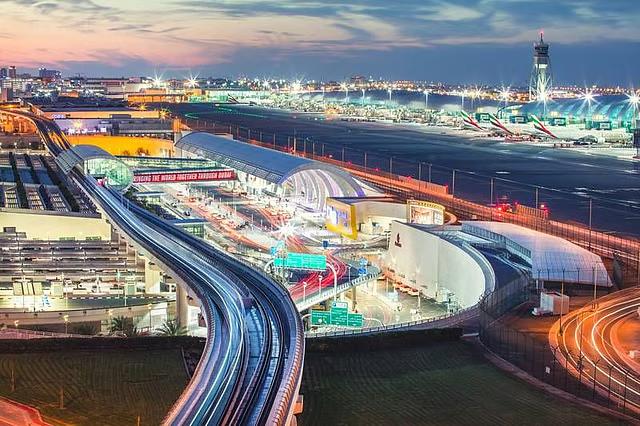
UAE airports remain open, while major carriers including Emirates and Etihad are operating most services. However, passengers may still encounter delays and cancellations on some regional routes.
Travellers should check the latest status of their flights before leaving for the airport and allow additional time for potential disruptions.
Iranian airline services to the UAE remain suspended
The UAE has barred Iranian airlines from operating flights to and from the country since September 24, with no end date announced.
Residents planning to travel to or through Iran should contact their airlines to confirm rebooking options or alternative routes. Azerbaijan, Oman, Turkey, Iraq and Georgia have also announced similar measures.
Hormuz shipping improves, but restrictions remain
US officials say oil movements through the Strait of Hormuz have increased, with more than 20 million barrels reportedly passing through on some days.
However, commercial shipping has yet to return to normal, with vessels continuing to face restrictions, inspections and diversions around Iranian ports amid the US naval blockade.
Security alerts remain in place
US and other foreign missions in the region continue to advise heightened vigilance. However, no specific new threat to the UAE has been announced.
Diplomatic efforts continue
Diplomatic efforts are continuing alongside military and economic pressure, including sanctions and the US naval blockade, while elevated oil prices are adding to the wider global economic impact of the conflict.
Iranian President Massoud Pezeshkian’s comments in New York on the nuclear issue have also generated criticism from hardline figures in Iran. Pezeshkian signalled potential flexibility on the nuclear issue and expressed support for negotiations with Washington during an interview with US media.
Axios reported that Trump had indicated a willingness to consider sanctions relief and access to frozen Iranian funds in exchange for concrete progress on Tehran’s nuclear programme.
Trump denies reports of incentives for Iran
Trump rejected that report on Monday, accusing Axios of publishing “fake news”.
The emerging details surrounding possible negotiations could add further pressure to Iran’s internal debate over engagement with Washington.
An unnamed Iranian official also denied reports on Monday that Tehran had softened its nuclear position. According to state-run Press TV, the official said no discussions on the issue were underway.
Trump also denied that he had offered Iran sanctions relief or access to frozen funds. He reiterated that Washington would not allow Tehran to acquire a nuclear weapon, arguing that such a capability could pose a threat to the United States.
Trump later rejected reports that he had offered Iran sanctions relief or access to frozen funds, reiterating that Tehran would “never” be allowed to acquire a nuclear weapon. He also warned that further military strikes could remain an option if Iran does not comply.
Fuel prices remain elevated
Oil and fuel prices continue to remain high amid ongoing tensions and disruptions to regional energy flows.
Brent crude is trading at around $107 a barrel, while West Texas Intermediate (WTI) is near $94. Abu Dhabi’s Murban crude has climbed above $116 a barrel.
Persistently high crude prices are maintaining upward pressure on fuel costs and increasing shipping expenses, with potential implications for petrol and diesel prices in the UAE.

