

Phone-based yacht rental bookings are being replaced by digital platforms.
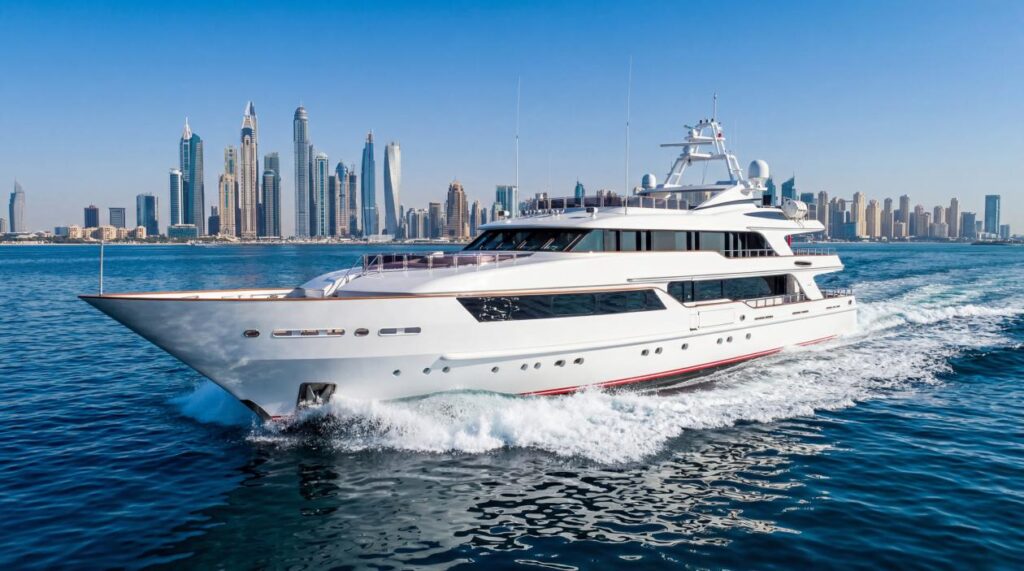
Dubai’s yacht rental industry is undergoing a digital shift, with phone-based bookings being replaced by online platforms.
From manual calls and messages that could take 2 to 48 hours for confirmation, the sector is moving toward real-time digital systems, similar to the transformation seen earlier in hospitality and aviation.
From manual processes to digital infrastructure
Previously, bookings depended on direct communication with operators, often involving delays before confirmation.
Real-time availability enters the market
New digital platforms across Dubai now synchronize calendars in real time, updating availability instantly as bookings are made—mirroring systems used by platforms like Booking.com and OpenTable.
Unified inventory and instant confirmation
Platforms such as Dubai Yacht Rental have adopted API-based integration, enabling unified inventory management and instant booking confirmation across operators, similar to hotel aggregator models like Booking.com and Expedia.
API integrations now aggregate more than 100 vessels from individual operators into a single searchable database, allowing customers to choose a date, check availability, and complete a booking within minutes.
Comparison tools and private fleet access
Yacht comparison platforms now let users filter options by price, size, year of build, and onboard amenities side by side—details that previously required contacting each operator individually.
Access to fleets has also widened, with private owners of newer vessels, including yachts built between 2022 and 2024, increasingly listing their boats on these platforms instead of relying solely on traditional operators.
Market adoption and industry impact
Digital platforms such as DubaiYachtRental.ae have introduced instant charter confirmation systems designed to match hospitality-grade user experience standards. This reflects a wider marine technology shift across the UAE.
Online yacht bookings grew by an estimated 22% to 28% year-on-year between 2022 and 2024, with demand concentrated during the October–April peak season. Corporate bookings showed even stronger growth, rising by 31% in 2024.

