

Doctors share early signs, remedies and prevention tips for heatstroke during UAE’s hottest days.
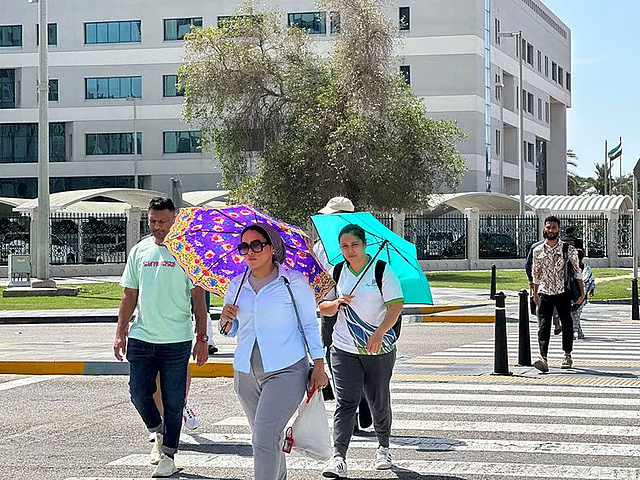
Dubai: In the UAE’s intense summer heat, what may begin as simple outdoor fatigue can quickly escalate into a life-threatening emergency. Doctors warn that heatstroke is not merely a severe form of heat exhaustion, but a condition that can develop rapidly once the body’s cooling system fails, often affecting the brain first.
Medical experts say the most critical warning sign is not sweating or thirst, but a sudden change in mental state.
Heat exhaustion
Dr. Ahmed Sharafeldin, consultant interventional cardiologist at RAK Hospital, explains that heat exhaustion is the body’s early warning stage. Patients typically experience heavy sweating, weakness, dizziness, nausea, and headache, but they remain alert and responsive.
However, he warns that the condition becomes dangerous once mental function begins to change.
“The single most reliable warning sign is a change in mental status—confusion, slurred speech, agitation or fainting,” Sharafeldin said.
He has noted that heatstroke can progress extremely quickly once the body loses its ability to regulate its temperature.
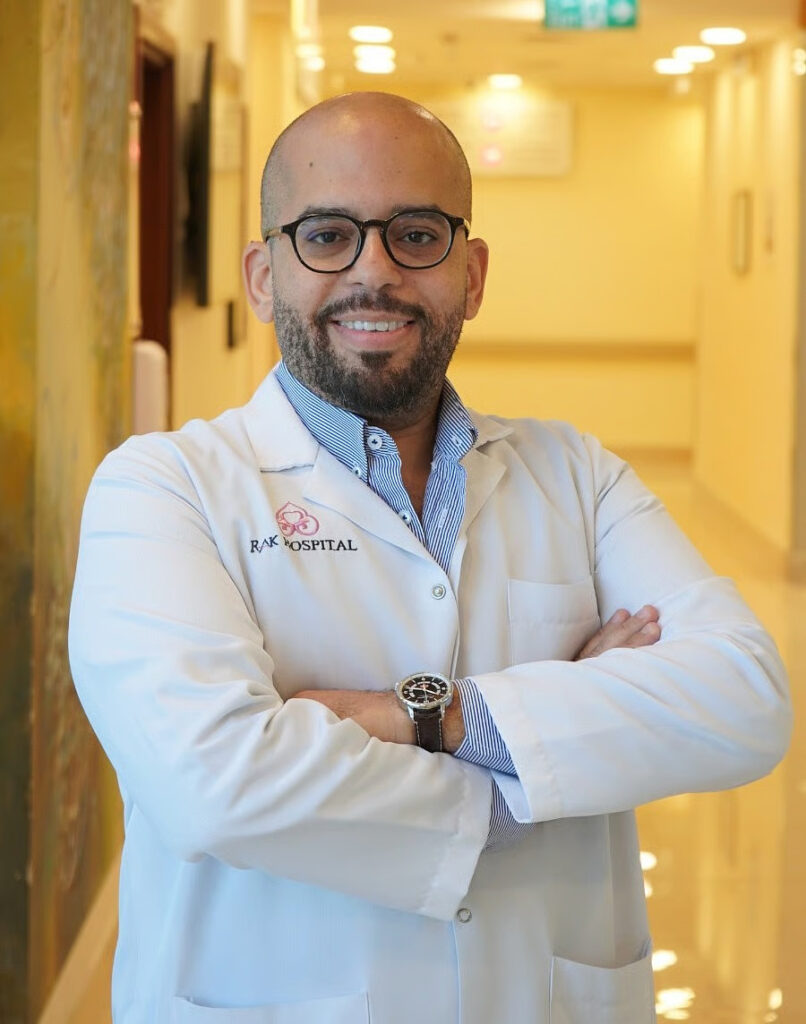
“Heatstroke can develop within 10 to 15 minutes once the body’s cooling mechanism fails, so it should never be mistaken for ‘just exhaustion’ if a person becomes confused or collapses,” Sharafeldin said.
He stressed that immediate action is critical. The affected person should be moved to a shaded or air-conditioned area, emergency services should be contacted if there is confusion or collapse, and cooling should begin at once using cold water immersion where possible, or ice packs and wet cloths applied to the neck, armpits, and groin.
“Do not give fluids by mouth if the person is confused or not fully alert, as there is a risk of choking. Stay with them. Heatstroke can worsen quickly even after initial cooling, so continue monitoring until paramedics arrive.”
Change in behaviour
Dr. Joseph Youssef, specialist in internal medicine at Medcare Royal Speciality Hospital, notes that heat-related illness exists on a spectrum, and early recognition is crucial to preventing complications.
Heat exhaustion is characterised by heavy sweating, thirst, dizziness, weakness, cramps, nausea and clammy skin, while the person usually remains alert. Heatstroke, however, occurs when the body’s temperature regulation system fails, leading to confusion, disorientation, difficulty speaking, loss of coordination, fainting or seizures.
“Anyone showing changes in behaviour, confusion, or reduced consciousness after exposure to heat should be treated as a medical emergency,” Youssef said.

While waiting for help, he advises moving the person to a cooler area, removing excess clothing, and beginning active cooling with water, fanning, and cold packs applied to key areas of the body. If the person is conscious and able to swallow safely, small sips of water may be given; however, nothing should be administered if there is confusion or unconsciousness.
“If the person becomes unconscious but is breathing normally, place them in the recovery position until medical assistance arrives. Rapid cooling and prompt medical attention are essential, as every minute counts in reducing the risk of long-term complications,” he said.
Prevention is the best protection
For his part, Dr. Javeed Ashfaque, specialist in internal medicine at Prime Medical Centre, stressed that the UAE’s extreme summer temperatures significantly raise the risk of heat-related illness, particularly among outdoor workers, athletes, and other vulnerable groups.
Early signs of heat exhaustion include sweating, fatigue, dizziness, cramps and nausea, but he warned that these symptoms can escalate quickly if ignored.
“Confusion, collapse, seizures or unconsciousness should always be treated as a medical emergency requiring immediate hospital care,” Ashfaque said.
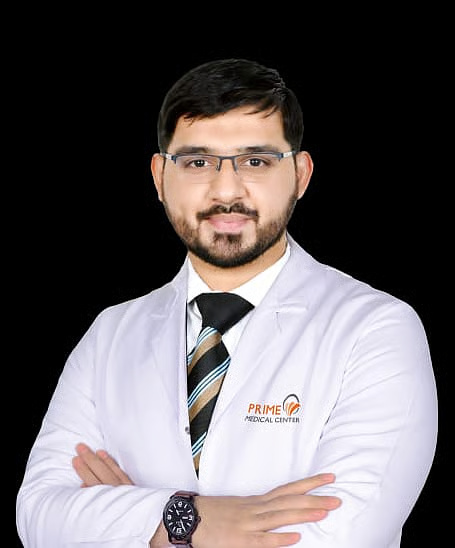
He emphasised that prevention is the most effective strategy. Residents are urged to drink water regularly before feeling thirsty, avoid outdoor exposure during peak heat hours, and wear light, breathable clothing.
Moreover, Ashfaque has recommended taking regular breaks in shaded or air-conditioned spaces, particularly for outdoor workers.
Heat stroke can be fatal
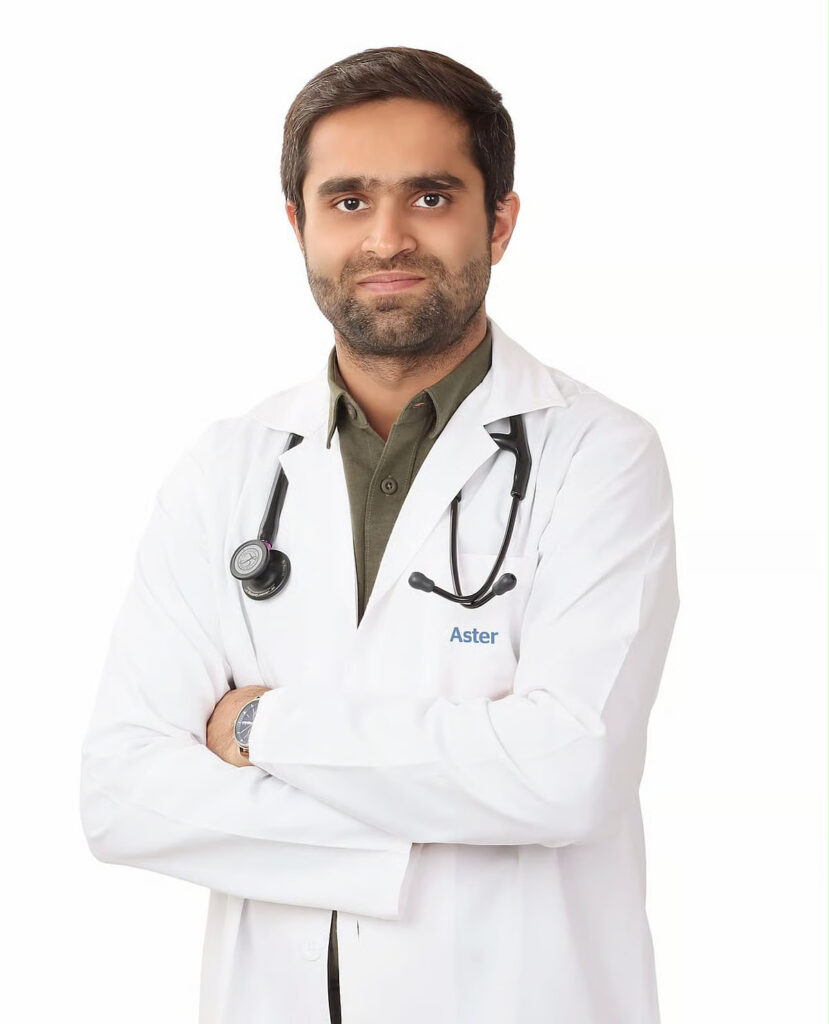
Meanwhile, Dr. Neet Lakhani, specialist in internal medicine at Aster Clinic, noted that heat-related illness typically begins with heat cramps and progresses to heat exhaustion, before advancing to heat stroke if left untreated.
“Heat stroke is the most dangerous stage of heat-related illness, where the body’s temperature rises dangerously above 40°C, potentially causing organ damage and even death,” Lakhani explained.
Confusion, seizures and an altered mental state are key warning signs that require urgent attention. Immediate first aid includes moving the person to shade, removing excess clothing, and rapidly cooling the body using water, ice packs or wet cloths while waiting for emergency assistance.
Doctors urge vigilance
Doctors across the UAE are urging residents to treat heatstroke as a medical emergency that can escalate within minutes. They stress that confusion, collapse or seizures following heat exposure should never be ignored.
With rising temperatures, medical experts say simple precautions—such as staying well hydrated, avoiding peak heat hours, wearing appropriate clothing, and acting quickly at the first signs of illness—can prevent most cases and save lives.

