

Peak dates, best locations and easy tips to witness nature’s spectacular sky show.
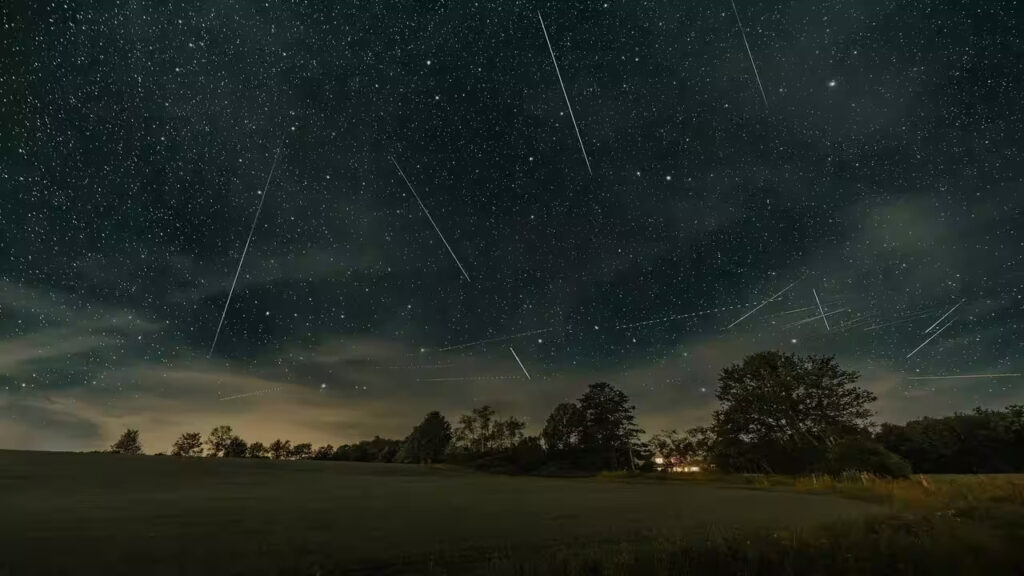
One of the year’s most anticipated stargazing events is almost here, and 2026 is expected to offer an especially impressive display.
The Perseid meteor shower returns as Earth passes through a stream of debris left behind by Comet Swift-Tuttle. Under ideal conditions, skywatchers can see 60 to 100 meteors per hour — with no telescope or binoculars required. All you need is a dark location, clear skies and a little patience to enjoy the celestial show.
Timings for the meteor shower
The Perseid meteor shower is active from mid-July to late August, but the main event is expected on the night of Wednesday, August 12, continuing into the pre-dawn hours of Thursday, August 13.
For the best viewing experience, skywatchers should head out during the early morning hours. Meteor activity typically increases after midnight, with the shower expected to peak between around 2am and 4am, when the radiant point — the area of the sky where the meteors appear to originate — is highest.
Why the 2026 Perseid peak could be special
The most exciting part of this year’s display is that the 2026 Perseid peak coincides almost perfectly with a new moon, meaning there will be little to no moonlight to overpower the fainter meteors.
The alignment is being described as one of the best viewing opportunities in years. The last similarly favourable conditions occurred in 2018, while the next comparable window is not expected until 2029.
With darker skies, meteors that are usually hidden by moonlight should become easier to spot. On especially clear nights away from city lights, viewers may even be able to see the Milky Way stretching across the sky as a natural backdrop to the meteor shower.
Where to go and how to watch
You do not need any special equipment to enjoy the Perseid meteor shower — the meteors are visible to the naked eye. The most important requirement is finding a dark location away from city lights.
Allow your eyes around 30 minutes to adjust to the darkness, and avoid checking your phone frequently, as bright screens can disrupt your night vision. Bring a comfortable mat, blanket or reclining chair so you can look up at as much of the sky as possible.
Best places to watch across the UAE
Abu Dhabi: Al Quaa Milky Way Spot
Considered one of the darkest locations in the UAE, Al Quaa Milky Way Spot offers extremely low light pollution, making it an ideal destination for stargazing. The remote desert location requires careful planning, and a 4×4 vehicle is recommended for the journey.
Dubai: Al Qudra Desert
Located within reach of the city, Al Qudra Desert offers wide open skies and is a popular spot for astronomy events organised by groups such as the Dubai Astronomy Group. Visitors can enjoy meteor watching along with activities such as astronomy talks and astrophotography sessions.
Sharjah: Al Faya and Mleiha National Park
Mleiha National Park is among the UAE’s most popular stargazing destinations. The area’s desert setting and archaeological surroundings make it a favourite for astronomy enthusiasts, families and nature lovers, with dedicated Perseid meteor shower viewing events held at the Al Faya archaeological site.
Ras Al Khaimah: Jebel Jais
The UAE’s highest mountain offers elevated viewing conditions, with its altitude often placing observers above low-lying haze and clouds. The cooler mountain environment and darker skies make it a popular spot for meteor watching.
Fujairah: Wadi Shawka
Surrounded by rugged mountain landscapes, Wadi Shawka provides a quieter setting with clearer skies and less light pollution, making it suitable for stargazing.
Ajman: Al Zorah Nature Reserve
This coastal nature reserve offers open views of the night sky while being away from some of the strongest urban lights, creating a peaceful setting for watching the meteor shower.
Umm Al Quwain: Umm Al Quwain Beach
The beach provides wide, unobstructed views across the Arabian Gulf, allowing skywatchers to enjoy the meteor display with minimal visual barriers.
Wherever you plan to watch the meteor shower, check with the relevant authorities for the latest access rules, road conditions and safety guidance before setting out.
If clouds roll in
Don’t cancel your plans immediately. In the UAE, cloud cover is often more common near coastal areas, so travelling inland can improve your chances of clearer skies.
Higher locations such as Jebel Jais or Jebel Hafeet may offer better visibility, as their elevation can place observers above lower cloud layers. Even partly cloudy conditions can create a dramatic viewing experience, with meteors appearing through gaps in the clouds.

