

Turning desalination waste into valuable resources to drive the circular economy and innovation.
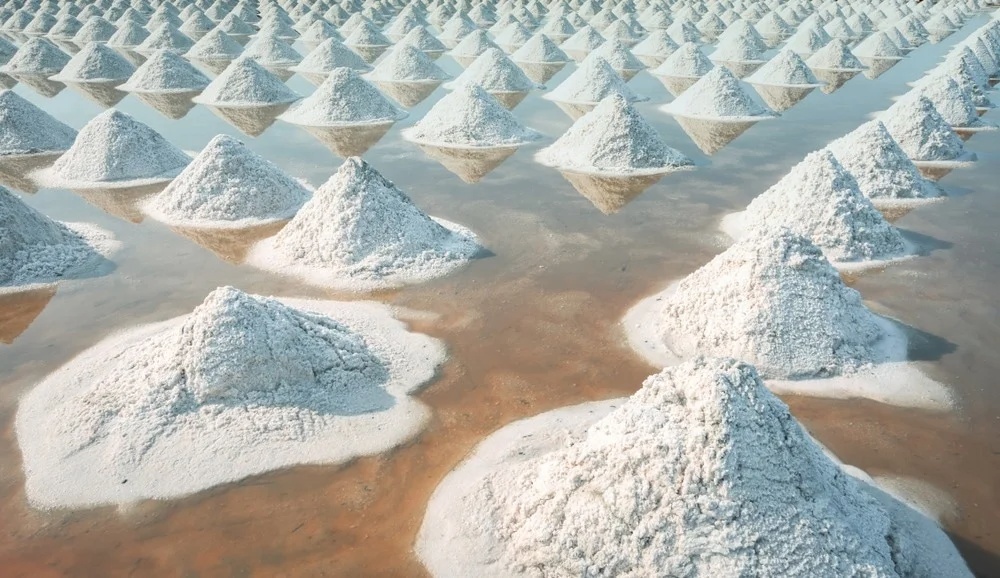
A UAE-based research initiative is investigating how brine — the highly concentrated saltwater generated by desalination plants — can be converted from a waste byproduct into a valuable resource, with potential benefits for sustainability, industry and environmental conservation.
Traditionally discarded after the desalination process, brine is now being explored as a source of valuable minerals that can be recovered and reused. Researchers say the approach could unlock new economic opportunities while advancing the UAE’s circular economy and resource-efficiency objectives.
The research centres on recovering naturally occurring minerals from brine, including magnesium, calcium, bromine, potassium, lithium and strontium. These minerals have applications across a broad range of industries, including agriculture, healthcare, manufacturing and water treatment.
The project is currently focused on extracting magnesium, one of the most valuable minerals present in brine.
Researchers say the mineral can be processed into a range of products with commercial and industrial uses. Magnesium oxide is widely used in industrial and environmental applications, magnesium sulphate serves as a common agricultural fertiliser, magnesium glycinate is used in dietary supplements, while magnesium hydroxide is utilised in water treatment, flame-retardant materials and various industrial processes.
The project aims to demonstrate how materials once viewed as waste can be transformed into valuable resources, creating economic opportunities while reducing environmental impact.
The research also reflects the UAE’s long-standing connection with the sea. For generations, the country’s coastline sustained communities through fishing, pearl diving and trade. Today, researchers believe the marine environment continues to offer new opportunities through scientific innovation and sustainable technologies.
In addition to mineral recovery, the team is exploring how advanced materials and modern manufacturing techniques could contribute to marine conservation.
One area of research focuses on developing 3D-printed structures to support coral reef restoration. While the technology remains under development, researchers believe it could help restore marine habitats, strengthen ecosystems and enhance biodiversity in the years ahead.
The initiative supports the UAE’s broader sustainability agenda by integrating water treatment, resource recovery and environmental stewardship into a single circular-economy approach.
Through the extraction of valuable minerals from desalination brine, researchers aim to minimise waste, unlock new industrial applications and demonstrate how innovation can maximise the value of the country’s natural resources.
Officials say the project reflects the UAE’s commitment to building a more sustainable future by advancing practical, science-based solutions that deliver long-term benefits for both the economy and the environment.

