

A stronger yen could mean higher costs for UAE travellers and shoppers spending in Japan.

Dubai: UAE residents travelling to Japan or purchasing goods priced in yen may find their dirhams buying less after the Japanese currency strengthened following intervention by the United States and Japan to support the yen from a four-decade low.
The UAE dirham’s peg to the US dollar means it generally follows the dollar’s movements against the yen. As the dollar loses ground against the Japanese currency, the dirham also weakens against the yen, raising the cost for UAE travellers paying for hotels, dining, shopping and other expenses priced in Japanese yen.
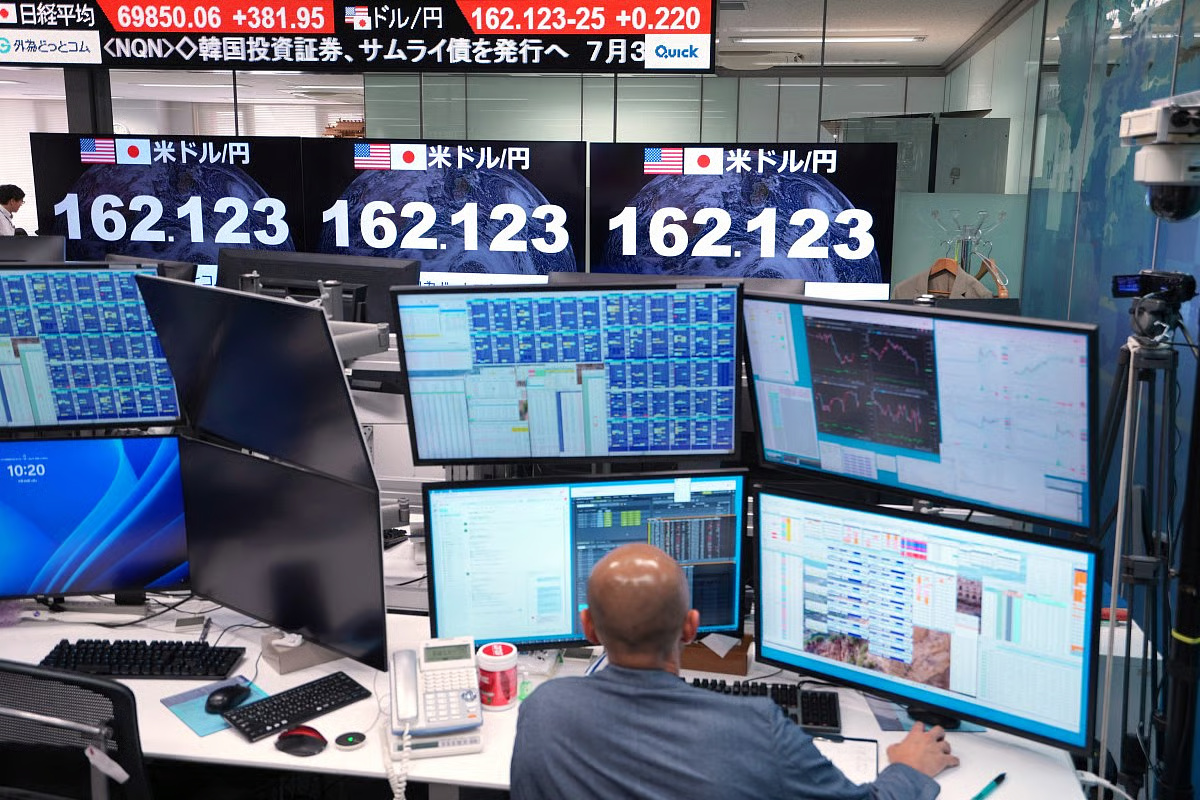
The dollar had climbed above 163 yen before the intervention but later slipped below the 160 mark, falling to around 156 on Monday. The yen briefly strengthened to 155.23 per dollar before weakening again to 156.81 by midafternoon in Tokyo.
Why the US and Japan intervened
Japan and the United States carried out their first joint yen-buying intervention since 1998 after the currency dropped to 163.99 against the dollar in July — its weakest level since 1986.
Japan’s Finance Minister Satsuki Katayama said the intervention was aimed at curbing excessive volatility and restoring stability in currency markets.
“This joint action addressed extreme fluctuations and disorderly movements in the Japanese yen in recent months,” Katayama said.
The size of the intervention has not been revealed, but both governments have signalled that they are prepared to take further action if the yen comes under renewed pressure. US Treasury Secretary Scott Bessent said Washington “will not hesitate to participate in further joint intervention”, while Japanese officials also indicated that additional measures remain possible.
What a stronger yen means for UAE residents
UAE travellers exchanging dirhams for Japanese yen will receive fewer yen than they would have when the dollar was trading closer to its recent highs, making Japan trips and yen-priced purchases more expensive.
A purchase worth 100,000 yen would have cost around Dh2,230 when the dollar was trading at 164 yen. At a rate of 156 yen per dollar, the same transaction would rise to approximately Dh2,354, excluding any fees charged by banks or exchange providers.
That represents an increase of about Dh124 for every 100,000 yen spent, with the difference becoming more significant for major expenses such as hotel stays, extended holidays and high-value shopping purchases.
Japanese products priced in yen could also become more expensive in global markets if the currency continues to strengthen. However, prices for Japanese goods in the UAE will depend on factors such as import agreements, currency hedging strategies and distributor costs.
Why the yen weakened so sharply
The yen’s prolonged decline was driven by the wide gap between interest rates in Japan and the United States, as well as higher energy costs and concerns over Japanese government spending.
The Bank of Japan raised its benchmark interest rate to a 31-year high of 1% in June and left it unchanged at its latest meeting. By comparison, US interest rates remain significantly higher at 3.5% to 3.75%.
The rate difference has encouraged investors to borrow in low-cost yen and invest in higher-yielding assets overseas. This strategy, known as the carry trade, has added further pressure on the Japanese currency by increasing demand to sell yen.
Japan’s reliance on imported energy has added to the yen’s challenges. A weaker currency increases the cost of oil and other imported goods, raising expenses for households and businesses across the country.
Why the US joined the intervention
A stronger yen can benefit US exporters by making American goods more affordable for Japanese buyers when priced in yen, potentially supporting trade flows between the two economies.
Washington also has a stake in limiting any significant sell-off of US Treasury holdings by Japan to fund currency intervention. Japan is the largest foreign holder of US government debt, and large-scale bond sales could create pressure in US financial markets.
US President Donald Trump described Washington’s involvement as a “signal of friendship”, saying the move was “good for the world economy.”
Will the yen stay stronger?
Past currency interventions have often triggered immediate market reactions, but their longer-term effects have depended on factors including interest rate trends, inflation and broader economic policies.
The yen’s future path will largely be shaped by decisions from the Bank of Japan and the US Federal Reserve, with investors closely watching for any changes to interest rate policies in the months ahead.
Further intervention remains possible if the yen weakens back towards the levels that triggered last week’s action. For now, UAE residents planning Japan-related spending will face a stronger yen compared with the levels seen in July.

