

Protecting children from vaping and drugs: How parents can stay alert without invading privacy.

“But vaping isn’t harmful. Everyone says so.”
Dubai-based mother Kaveri (name changed on request) hears this argument from her teenage daughter every few weeks. “Her friends do it, and she even showed me articles claiming it isn’t as harmful as people say. So she keeps trying to argue her point,” Kaveri said.
Aware that teenage secrecy is common, Kaveri says she has worked to keep communication open while also staying involved in her daughter’s daily life. “She gets extremely resentful, but I do worry that she might be doing it privately. She says she isn’t, but as a mother, you naturally worry,” she admitted.
The reality is that parents cannot monitor their children every moment. Trends change quickly, misinformation spreads easily online, and risky behaviours can sometimes appear as harmless experimentation.
So, how can families protect children without turning the home into a constant surveillance zone?
Experts say the answer lies in finding a balance between awareness and trust. Parents can stay informed about changes in behaviour, maintain open conversations and set clear boundaries, while still allowing teenagers a sense of independence and privacy.
You can’t protect children from what you don’t understand
For parents, staying informed does not mean constantly monitoring or controlling every aspect of a child’s life. It means understanding the environment they are navigating, both online and offline.
Lana Kaati, a Dubai-based mother, says social media — often criticised for exposing children to harmful trends — can also give parents insight into the content young people are consuming and the issues influencing them.
“One of the positive aspects of social media, even though we do not always appreciate it, is that when we are connected with friends, family, or people in the same community or network, similar videos and trends can begin appearing,” she said.
She explained that this overlap can help parents gain a better understanding of the digital spaces their children are exploring. “If you have accounts on Instagram, TikTok, Snapchat, or whichever platforms your children use, eventually the same content may start appearing on your feed. You can get an idea of what they are watching, following, and engaging with.”
However, she cautioned that parents should not rely only on what appears naturally on their social media feeds. Staying informed also requires actively learning about the trends and issues young people are encountering.
“It is your responsibility to look into what is trending. If you cannot get that information directly from your children, then you may need to search for it yourself so you can better understand the world they are growing up in,” she said.
Furthermore, parents should avoid trying to chase every new trend individually. Dr Aseel A. Takshe, Dean of the School of Health Sciences, Digital Innovation & Sustainability at Canadian University Dubai, says the pace of change makes this a particularly challenging area for families.
“As both a health sciences educator and a mother, I will be honest: this is one of the most difficult landscapes to navigate, precisely because it changes faster than most of us can keep up with,” she said.
One of the biggest challenges, she explained, is that vaping products are increasingly designed to avoid detection. Devices can be disguised as everyday items such as USB drives, pens and even smartwatch accessories. More discreet products, including nicotine pouches placed under the lip, are also being marketed towards young people.
Her advice is for parents to develop a habit of regular awareness rather than attempting to monitor every possible trend. This can include following information from reliable health organisations, schools and other parents.
“Build a habit of periodic, targeted research. Subscribe to updates from trusted sources such as the World Health Organization and local public health authorities. Check in once a month, not every day,” she advised, while also encouraging parents to stay engaged with school communications.
She also highlighted the value of conversations between parents. A simple, non-judgmental discussion at the school gate or in a parents’ WhatsApp group can reveal what trends or behaviours are currently circulating among students within a specific community, rather than relying only on broader media reports.
Nicotine pouches placed discreetly under the lip are also being marketed to young people through candy-like flavours and sleek packaging. Dr Takshe said these tactics evolve because the industry is constantly adapting faster than parental awareness.
“My advice is not to chase every trend individually. Instead, build a habit of periodic, targeted research,” she said.
Checking every corner doesn’t always keep children safe
Another mother, who requested anonymity, recalled how her attempts to protect her son eventually damaged their relationship.
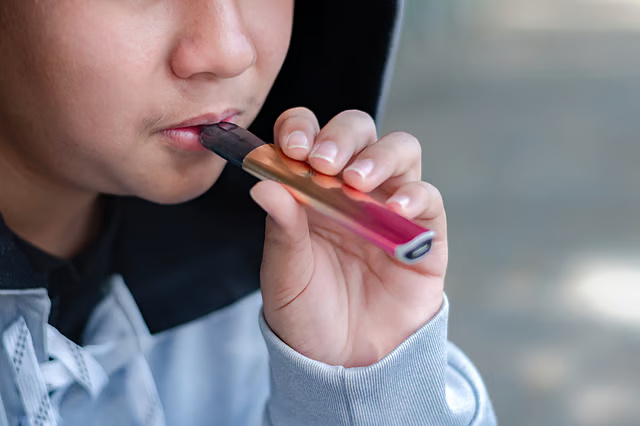
“As my husband was a smoker and suffered so much because of it, I was relentless towards my son. I regularly searched his cupboards and bags, and as a result, when he eventually started smoking, he did it away from home,” she said.
Her son later admitted that he would chew gum and use deodorant before returning home to hide the smell. However, he also told her he was constantly worried about being caught.
That was never the outcome she wanted — but the relationship had already been affected.
So how can parents find the balance between protecting a child and invading their privacy?
Dr Takshe suggests creating what she calls “ambient awareness” — an approach where parents remain connected to their children’s digital and social environments without turning the home into a place of constant surveillance.
“This means creating an environment where the digital world is not hidden behind closed doors,” she explained.
The key, experts say, is to keep conversations about online activity casual rather than making them feel like an interrogation.
Questions such as, “What did you see today that surprised you?” or “Has anyone shown you something online that made you uncomfortable?” are more likely to encourage openness than a direct demand like, “Let me see your phone.”
Technology can offer useful safeguards, Dr Takshe says, but it cannot replace a relationship built on trust and communication.
Experts also emphasise that small changes in behaviour can provide important clues. When parents understand their child’s usual habits, they are more likely to notice unusual shifts. Has a child suddenly stopped mentioning a particular friend? Are they sleeping less than usual? Has their appetite changed significantly?
These changes do not automatically indicate a problem, but they can be signs that a child may need support or a conversation.
Not every change is a crisis, but some deserve attention
There is rarely a single clear warning sign. Instead, experts advise parents to look for patterns over time.
Dr Takshe says she pays attention to unexplained changes in smell, especially sweet or fruity scents that do not match any products used at home. Other signs she watches for include frequent nosebleeds, persistent coughing or throat irritation, bloodshot eyes, and sudden changes in energy levels.
With vaping, Dr Takshe says the warning signs can often be difficult to notice. “Small, unfamiliar devices that could be mistaken for stationery or electronics, an unusual accumulation of pods or cartridges, or a faint chemical smell on clothing or in their room” may be indicators to pay attention to.
Behavioural changes can also provide clues, including withdrawing from family, unexplained spending, sudden changes in friendship groups, or losing interest in activities they previously enjoyed.
However, experts stress that the aim should not be punishment. Creating a safe environment where children feel they can ask for help is essential.
“My child needs to know that if they are ever in a situation involving substances, they can come to me without fear that my first response will be punishment,” said Claire Scowen, Vice President at Risk – Global Lead of Safeguarding and Child Protection at GEMS Education.
There is rarely one single warning sign that confirms a problem. Parents and school staff should instead pay attention to patterns, including changes in behaviour, friendship circles, mood, attendance, academic performance, secrecy, or unexplained requests for money.
While these signs do not always indicate substance use, they can be a reason to begin supportive conversations and, when needed, seek early intervention.
Schools play a critical role in prevention
Parents are not the only ones working to understand changing teenage behaviours. Schools often become the first environments where changes in friendships, mood, attendance or academic performance begin to emerge, making strong collaboration between educators and families essential.
Claire Scowen, Vice President, Risk – Global Lead of Safeguarding and Child Protection at GEMS Education, says prevention should begin well before a student faces a serious challenge.
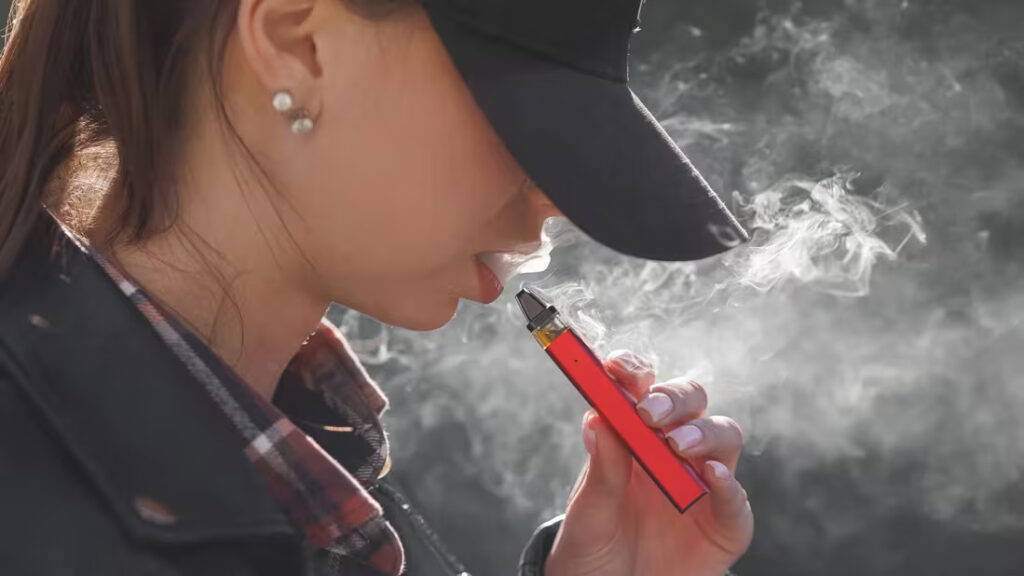
“Education should be proactive, age-appropriate and embedded throughout school life,” she said.
She explained that schools need to address vaping, substance use and other harmful behaviours through continuous conversations rather than relying on one-off warnings. This includes educating students, training staff, and helping parents better understand the risks and pressures young people may encounter.
“We are also proud to work in partnership with Dubai Police, who provide specialist education to students and reinforce these important messages through their real-world expertise,” she said.
As risks increasingly move into digital spaces, schools also face the challenge of keeping pace with rapidly changing online trends.
Laana Kaati, founder of UAE Mums group, says parents can use social media as a way to better understand what young people are seeing online.
“If you have accounts on Instagram, TikTok, Snapchat, or whatever platforms your children use, at some point the same videos will start appearing to you, and you will get an idea of what they are watching or following,” she said.
However, experts stress that staying informed requires ongoing effort. Schools and families need to understand the platforms, trends and content young people are engaging with to better address emerging risks.
Simon Jodrell, Principal of Jebel Ali School, says the focus should extend beyond simply warning students about what not to do. Instead, schools should help young people develop the confidence and skills to make informed decisions.
“At Jebel Ali School, we believe that education is one of the most effective ways to help young people make informed, responsible decisions,” he said.
He explained that the school’s approach combines classroom learning, assemblies, specialist workshops, parent engagement and access to experienced counsellors, ensuring students have trusted adults they can turn to for guidance and support.
The school also provides regular staff training and follows the guidance of UAE education authorities to help identify concerns early and provide appropriate support when needed.
Jodrell said conversations about drugs, alcohol and other harmful behaviours should form part of a child’s wider wellbeing journey, supported by trusted relationships, counselling and open communication.
Richard Drew, Principal of Jumeira Baccalaureate School, says prevention depends on creating an environment where students feel comfortable asking questions and seeking support before they encounter difficult situations.
“We believe that open discussion, education and strong relationships are fundamental to prevention,” he said.
He explained that, alongside classroom learning, students benefit from expert guest speakers, access to qualified school counsellors and opportunities to discuss the wider health, social and legal consequences of substance misuse in a safe and supportive setting.
The school also works closely with parents through information sessions, helping ensure that families and educators are aligned in supporting students and addressing concerns early.

