

Iran conflict highlights need for deeper GCC defence cooperation and stronger regional security architecture, ECSSR researcher says.
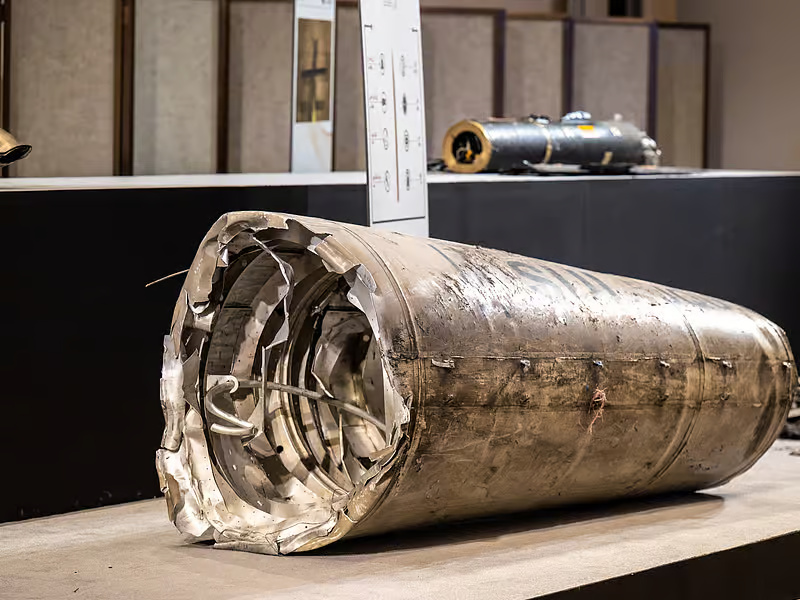
Iran’s strategy of targeting the UAE ultimately failed, according to a researcher specialising in Iranian and Middle East affairs, who pointed to the country’s military capabilities and disciplined defence posture.
Fatmah Alzeyoudi, a researcher at the Emirates Centre for Strategic Studies and Research (ECSSR), said Tehran may have targeted the UAE in part to weaken its standing as one of the region’s leading examples of prosperity, development and economic success.
“It appears that the Iranian regime viewed the UAE as one of the region’s most advanced examples of prosperity, development and economic success,” Alzeyoudi told Khaleej Times.
She said that from this perspective, targeting the UAE was intended not only to apply pressure, but also to weaken its reputation as a leading regional model and shift attention away from the challenges and decline facing Iran’s own economic and development system.
She said this became apparent from the early stages of the conflict, when Iranian threats extended beyond military targets to civilian and economic infrastructure with no direct military role.
Alzeyoudi pointed to threats against Emirati cities, along with reports from the Iranian government-affiliated Mehr News Agency suggesting potential strikes on the Barakah Nuclear Energy Plant, Jebel Ali and the Mohammed bin Rashid Al Maktoum Solar Park.
“The UAE demonstrated that its strength extends beyond its advanced economy to its growing military capabilities and the strategic, disciplined vision underpinning its defence posture,” she said.
Her assessment comes as the region marks six months since Iran launched its first attacks on the UAE and other Gulf countries. The period has prompted renewed questions about deterrence, collective Gulf security and how countries can prepare for the spillover effects of conflicts in which they are not directly involved.
UAE strategy remains largely unchanged
Alzeyoudi said the crisis had not prompted the UAE to abandon its longstanding commitment to de-escalation.
However, the conflict reinforced the importance of developing alternative options and diversifying strategic partnerships to safeguard the UAE’s long-term interests.
She pointed to Fujairah Port and efforts to reduce dependence on the Strait of Hormuz as examples of this strategic approach.
“It reflects not only an effort to develop alternatives for the UAE itself, but also a broader vision to provide viable options for neighbouring states, rooted in the UAE’s sense of regional responsibility while also serving the wider economic interests of the international community,” she said.
The conflict also highlighted the need for countries to prepare for threats stemming from wars in which they are not direct participants, Alzeyoudi said.
“There is no doubt that the nature of warfare has changed, not only in terms of the scope of asymmetric and hybrid warfare, but also in the extent to which targets are now being struck that are not directly party to the conflict,” she said.
Greater Gulf defence coordination
According to Alzeyoudi, the experience has strengthened the case for deeper defence coordination among GCC states.
Greater coordination could help establish a stronger deterrence framework, ensuring that Iran or any other state or non-state actor would “think twice” before considering an attack on a GCC country.
She said future collective defence efforts in the Gulf should build on existing mechanisms and evolve into a “more integrated and comprehensive security architecture”.
“Such an approach could strengthen the GCC’s ability to address threats from all angles and enhance collective security, resilience, and deterrence across the Gulf,” she said.
Alzeyoudi also said the conflict demonstrated that the UAE’s resilience planning had been developed well before the war.
While every conflict inevitably creates new challenges and exposes vulnerabilities, she stressed that continuous planning and preparedness would remain essential to addressing future threats.
Dialogue remains necessary
Despite the events of the past six months, Alzeyoudi said the UAE and other Gulf states were unlikely to abandon engagement with Iran.
“Diplomatic dialogue will continue as a regional necessity,” she said.
However, she added that dialogue alone was no longer sufficient and “must be accompanied by credible security arrangements and tangible guarantees from Iran”.

