

Staff across six zones and more than 50 government entities will be given four-hour flexibility in attendance timings.
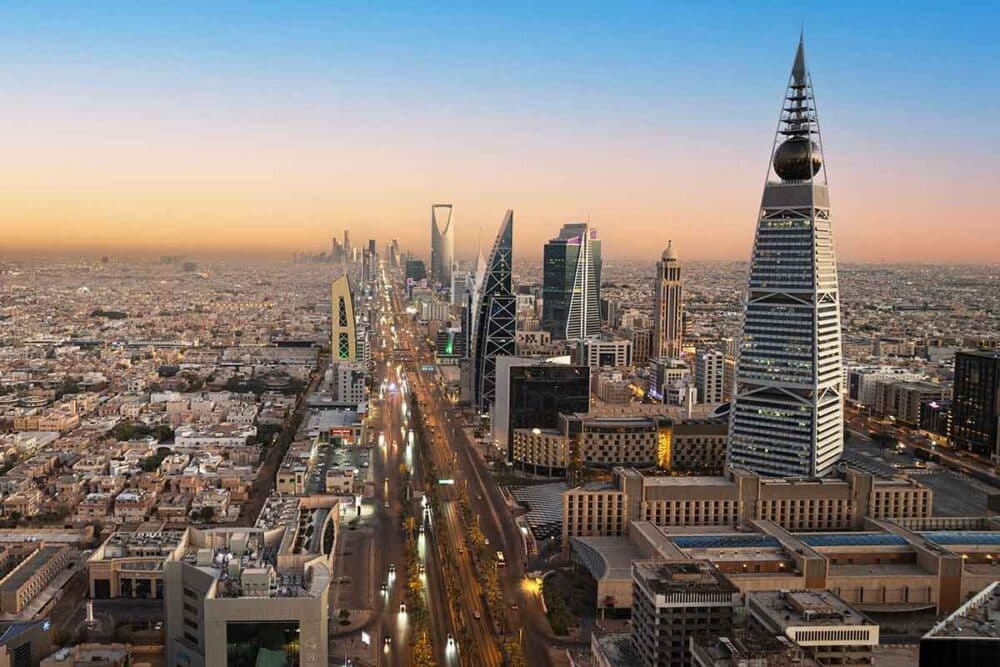
Saudi Arabia has introduced a flexible working hours initiative across six major business districts in Riyadh aimed at easing traffic congestion, improving daily mobility, and enhancing quality of life in the capital.
The Royal Commission for Riyadh City, in cooperation with the Ministry of Human Resources and Social Development, announced the rollout of the initiative, which allows a four-hour flexible attendance window for employees across more than 50 government entities located within the designated work zones.
The six designated zones included in the initiative are King Abdullah Financial District (KAFD), Digital City, the Diplomatic Quarter, Laysen Valley, Granada Business, and Roshn Front.
Authorities said the scheme applies to administrative roles with fixed working hours and excludes sectors that require continuous staffing and service provision, such as healthcare and public education.
The initiative is part of wider efforts to improve traffic flow in Riyadh, a fast-growing city that has seen a sharp rise in population and commuting pressures in recent years.
Under the initiative, government entities operating under the Civil Service Law will allow employees to start work anytime between 5:30am and 9:30am, while those governed by the Labour Law will follow flexible attendance windows from 7am to 11am.
The Royal Commission for Riyadh City said the programme aims to spread commuter traffic more evenly across morning hours, easing pressure on road networks during peak periods and improving daily mobility across Riyadh.
Officials added that the scheme is intended to give employees greater flexibility while contributing to improved quality of life in the city. Government entities within the six designated districts have been instructed to comply with the policy while ensuring continuity of operations and maintaining service standards.
The commission said the programme does not apply to sectors such as healthcare and public education, where operational needs require fixed working hours.
The initiative forms part of wider urban development and transport planning in Riyadh, as the Saudi capital continues to expand under the Kingdom’s Vision 2030 transformation programme.

