

Preventive remediation works prompt temporary relocations of up to 20 months for tenants.
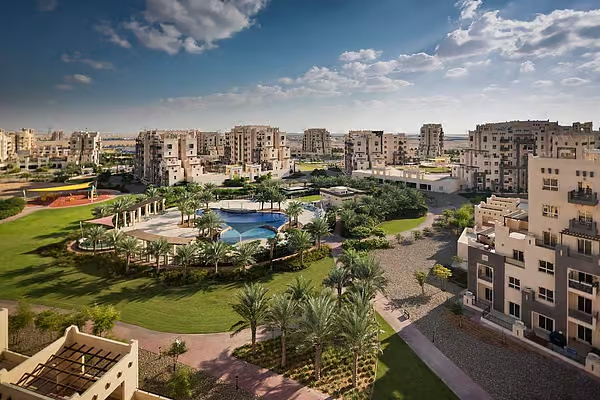
Several residents of Dubai’s Remraam community have been offered rent compensation and relocation allowances after being asked to temporarily vacate their homes while remediation works are carried out, a process expected to take between 16 and 20 months.
Dubai Holding Community Management, which manages the community, said in a statement that the decision was a “preventative, long-term measure” following routine inspections.
According to a resident who spoke to Khaleej Times on condition of anonymity, the relocation process is expected to begin in phases from July 1. Depending on the building and scope of the works, some tenants have been asked to vacate their homes for a minimum of 16 months, while others may need to relocate for up to 20 months.
In its statement, Dubai Holding Community Management said it is undertaking a “comprehensive remediation programme across parts of the Remraam community to address essential works required to safeguard the quality and standards the community expects”.
The company added that residents are being supported through “clear communication and assistance mechanisms”, including a defined compensation framework where applicable.
DHCM said it is also working closely with the relevant authorities to ensure a “structured, compliant and responsible rollout” of the programme.
Compensation offered
According to an FAQ shared with residents and reviewed by Khaleej Times, compensation will be calculated by multiplying the period of vacancy in months by the average RERA index value for the relevant unit type.
Residents will also receive a relocation allowance ranging from Dh7,000 for a studio apartment to Dh16,000 for a three-bedroom unit. The document states that payments will be made on or after the vacate date.
Some residents have raised concerns about continuing service charges during the remediation period. Owners of one-bedroom apartments, for example, could still face monthly service fees of around Dh1,200 in addition to mortgage payments and any rental costs that exceed the relocation allowance.
Impact on residents
One resident, identified as S.K., said he is due to vacate his home in July and is facing uncertainty while searching for alternative accommodation.
“My eldest child is expected to leave for university,” he said. “However, because final exams in the UAE were cancelled, we won’t have clarity on his grades until August. Depending on the outcome, he may take a gap year or attend a university with a later admissions deadline. That decision will determine whether we need a larger or smaller apartment. The move comes at a time when we are already facing significant expenses. I am satisfied with the compensation package, but I am concerned about the overall process.”
Another resident, M.M., who lives in a building not affected by the relocation programme, said he remains concerned about the impact of the construction works.
“While I’m relieved that I don’t have to move, I am worried about the effect of extensive construction activity,” he said. “I suffer from a severe dust allergy, which could trigger asthma. For now, I’ll wait and see how the situation develops.”
P.M., a homeowner who has lived in the community for more than eight years, described the relocation as inconvenient but acknowledged the rationale behind the project.
“Having to move out is a major disruption,” she said. “But management has explained that there are structural issues that need to be addressed and that the remediation work will improve the safety of the buildings. Hopefully, this temporary inconvenience will result in a better future for the community.”

