

Supply constraints and a fragile ceasefire are keeping crude prices near $100 despite signs of weaker demand.
Dubai: Oil prices are expected to stay elevated — and may climb further in the near term — as continued disruption in the Strait of Hormuz and lingering uncertainty around the Iran conflict keep global supply conditions tight.
Brent crude rose 1.7% to $100.16 a barrel on Wednesday, highlighting persistent concerns over whether oil flows from the Arabian Gulf can return to normal. Prices have surged from about $70 before the conflict, showing how rapidly supply risks have been priced into the market.
Supply disruption risk
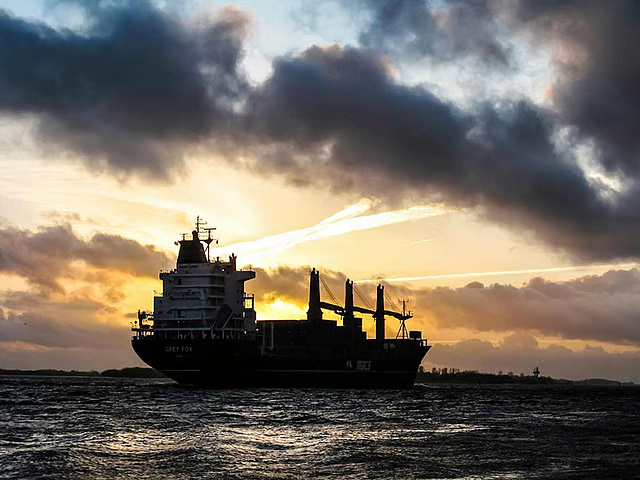
The Strait of Hormuz remains the main pressure point. The narrow shipping lane, which normally handles around 20% of global oil exports, has seen traffic drop sharply following recent vessel attacks and tanker seizures.
This disruption has effectively tightened one of the world’s most critical energy routes, restricting the flow of crude to global markets.
At the same time, Donald Trump has extended the ceasefire to keep negotiations alive, while the United States continues to enforce a blockade on Iranian ports. This combination of partial de-escalation and ongoing restrictions has prolonged uncertainty over how quickly supply conditions can return to normal.
The standoff has also raised doubts over the timing and effectiveness of any potential agreement, keeping markets cautious.
Conflicting signals
Analysts say oil markets are being driven by a mix of opposing forces, leaving prices elevated but relatively contained.
“Oil markets are volatile because of mixed, often conflicting headlines and deep mistrust between Iran and the U.S.,” said Ole Hansen.
He added that “the Strait of Hormuz is effectively closed, causing major disruptions to oil flows,” while weaker demand—particularly in Asia—and inventory drawdowns in China have helped offset part of the supply shock.
This combination has so far prevented crude prices from rising much beyond the $100 level, even as underlying supply conditions tighten.
However, pressure is building in refined fuel markets. Hansen noted that diesel, jet fuel and petrochemical feedstocks are already in short supply, with rising costs pushing airlines and governments to consider operational adjustments.
Structural constraints
Even if the Strait of Hormuz reopens, analysts expect supply chain recovery to be gradual.
“Even if the waterway reopens, recovery will be slow: tankers are out of position, refineries and upstream facilities may be damaged, and restarting production and logistics will take weeks or months,” Hansen said.
He warned that lost production could reach hundreds of millions of barrels, structurally tightening the market and raising the floor for oil prices once temporary demand weakness fades.
Political uncertainty within Iran adds another layer of risk, as internal dynamics could delay or weaken any agreement, increasing the chances of further price volatility.
Delay pushes prices higher
The full impact of the current disruptions may not yet be reflected in oil prices.
Qatar’s finance minister has warned that current price premiums may be only “the tip of the iceberg,” with more significant effects likely to emerge within the next two months if constraints in the Strait of Hormuz persist.
For now, oil markets are being driven more by supply-side risks than by demand strength:
- Restricted flows through the Strait of Hormuz are limiting global supply
- Geopolitical uncertainty is delaying a clear resolution
- Refining capacity and fuel availability are becoming increasingly tight
This suggests prices are likely to remain supported near current levels, with any sustained decline depending on a clear and stable reopening of key shipping routes.
Until then, the market is expected to stay highly sensitive to geopolitical developments, leaving little room for a meaningful drop in oil prices.

