

UAE Adult Health Survey Finds Declines in Obesity and Smoking, but Rising Cholesterol and Blood Sugar Levels.
Dubai: More than half of adults in the UAE are living with high cholesterol, while elevated blood sugar levels are becoming increasingly common, despite improvements in obesity, smoking and hypertension rates, according to the National Health Survey 2024–2025 released by the Ministry of Health and Prevention.
The nationwide survey, which included 9,997 households, recorded progress in several important health indicators compared with the previous survey conducted in 2017–2018.
However, the findings also highlighted continuing concerns surrounding cardiovascular health risks, excessive dietary salt intake and limited participation in cancer screening programmes.
The obesity rate among adults declined from 27.8 per cent to 22.4 per cent, while smoking prevalence decreased from 9.1 per cent to 8.7 per cent.
Similarly, the proportion of adults with high blood pressure fell from 28.8 per cent to 25.9 per cent.
Despite these improvements, high cholesterol prevalence climbed significantly from 43.7 per cent to 54.2 per cent.
The proportion of adults with elevated fasting blood glucose also increased, rising from 11.8 per cent to 12.5 per cent.
The results present a mixed assessment of public health in the UAE, demonstrating progress in reducing certain preventable risk factors while revealing growing challenges in other areas.
One encouraging finding was a decline in the proportion of adults with three or more major health risk factors, which dropped from 52.5 per cent to 44.5 per cent.
This suggests wider progress in efforts to reduce risk factors associated with non-communicable diseases.
High cholesterol recorded in 54.2% of UAE adults
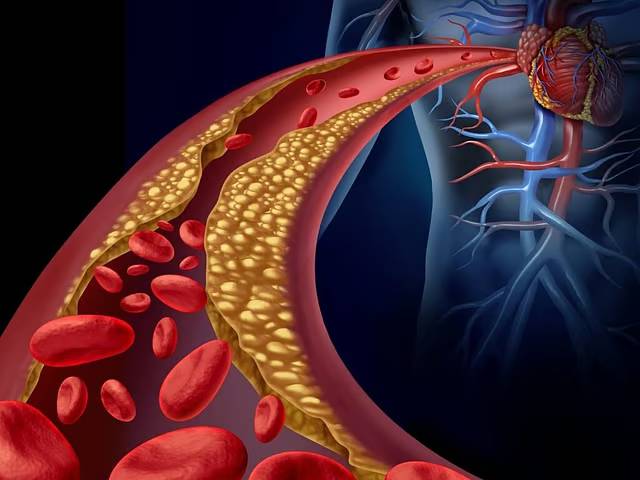
Elevated cholesterol levels emerged as a major health concern in the latest survey, affecting 54.2 per cent of adults, compared with 43.7 per cent in 2017–2018.
The findings also showed that 28.7 per cent of adults had elevated triglyceride levels.
Meanwhile, average total cholesterol increased from 182.3 milligrams per decilitre to 190.6 milligrams per decilitre.
The survey found that high cholesterol became more prevalent with increasing age.
Among adults who had previously received a high cholesterol diagnosis, 82.4 per cent said they had taken their prescribed medication during the two weeks before participating in the survey.
However, preventive screening remains an area of concern, with 23 per cent of adults reporting that they had never undergone a cholesterol test.
The prevalence of elevated fasting blood glucose also rose, increasing from 11.8 per cent to 12.5 per cent.
By contrast, the proportion of adults with impaired fasting glucose declined considerably, falling from 11.7 per cent to 5.9 per cent.
The survey revealed that 18.3 per cent of adults in the UAE had never undergone a blood sugar test, highlighting gaps in preventive healthcare screening.
Among respondents previously diagnosed with diabetes, 90.4 per cent said they had taken their prescribed medication during the two weeks preceding the survey.
High blood pressure, meanwhile, showed a positive trend, with prevalence declining from 28.8 per cent in 2017–2018 to 25.9 per cent in 2024–2025.
Despite this improvement, 16 per cent of adults reported never having had their blood pressure checked.
Among individuals previously diagnosed with hypertension, 94.9 per cent confirmed taking their prescribed medication during the two weeks before the survey.
Obesity rates fall, but excess weight remains a major concern
The UAE recorded a 5.4-percentage-point reduction in adult obesity, with prevalence dropping from 27.8 per cent to 22.4 per cent.
However, the National Health Survey also found that 66.7 per cent of adults were classified as overweight.
Excess weight was more prevalent among men, while women recorded higher obesity rates.
The likelihood of carrying excess weight also increased with age, with the highest prevalence observed among people aged 45 and older.
Although the findings indicate progress in efforts to reduce obesity, unhealthy body weight continues to present a significant challenge to public health.
Physical activity improves as UAE reaches 2030 target early
The survey also identified encouraging changes in physical activity levels among adults.
The proportion of people not meeting recommended exercise levels declined from 70.8 per cent in 2017–2018 to 59.1 per cent in 2024–2025.
According to the report, this improvement means the UAE has already met its physical activity target for 2030, several years ahead of schedule.
Nevertheless, insufficient physical activity remained more common among women than men.
The survey found that 68.7 per cent of women did not meet recommended activity levels, compared with 51.5 per cent of men.
Among Emirati adults, the rate of insufficient physical activity stood at 67.6 per cent, compared with 54.4 per cent among non-Emiratis.
Participants also identified several measures that could encourage them to become more physically active.
These included improved access to public parks, designated exercise breaks during working hours and fitness centres located closer to residential communities.
Smoking rates decline, but emerging tobacco habits raise concerns
Smoking prevalence in the UAE decreased slightly from 9.1 per cent to 8.7 per cent, reflecting continued progress in addressing a major preventable risk factor for chronic diseases.
However, tobacco use remained considerably more common among men.
The survey found that 13.7 per cent of men smoked, compared with 2.4 per cent of women.
Adults aged 18 to 29 recorded the highest smoking prevalence among age groups, at 9.8 per cent.
The median age at which smokers first began using tobacco was 21, although the findings included cases of individuals starting as young as eight years old.
Manufactured cigarettes remained the most commonly used tobacco product among daily smokers, accounting for 66.5 per cent of consumption.
Electronic cigarettes represented 13.7 per cent, while medwakh accounted for 13.6 per cent.
The report highlighted the need for tobacco-control strategies and public awareness initiatives to evolve in response to changing consumption patterns, particularly among younger adults.
These findings suggest that while overall smoking rates have declined, the growing variety of tobacco products and differences in usage across age groups require continued public health attention.
UAE adults consume twice the recommended daily salt intake
Excessive salt consumption emerged as another significant public health concern in the National Health Survey 2024–2025.
The findings revealed that adults in the UAE consume an average of 10 grams of salt per day, double the maximum daily intake recommended by the World Health Organisation (WHO).
Nearly three in 10 adults, or 29.2 per cent, said they regularly added salt or salty sauces to their meals while eating.
Meanwhile, 39.8 per cent reported using salt or salty sauces during food preparation.
High dietary salt intake is widely recognised as a contributing risk factor for hypertension and cardiovascular diseases.
The survey also examined the prevalence of several chronic medical conditions based on respondents’ self-reported health information.
Cardiovascular diseases and chronic lung diseases each affected 1.1 per cent of respondents, while arthritis was reported by 3.1 per cent.
Cataracts were reported by 0.7 per cent of adults, and 0.1 per cent said they had experienced a stroke.
Nearly one-third of adults have never had an eye examination
The findings also identified gaps in preventive eye healthcare.
Around 4 per cent of respondents reported experiencing blurred vision, while 3.6 per cent said they suffered from sensitivity to light.
Despite these symptoms, 31 per cent of adults reported never having undergone an eye examination conducted by a specialist.
The figures highlight the importance of improving awareness of routine vision checks and preventive eye care.
Cancer screening participation remains low
Although the UAE recorded improvements across several health indicators, the survey revealed substantial shortcomings in participation in cancer screening programmes.
Only 36.4 per cent of women aged 40 and above reported having undergone a mammogram at least once.
Limited awareness was the most commonly cited reason for not participating in breast cancer screening, accounting for 51 per cent of responses.
Fear of receiving a cancer diagnosis was another frequently reported concern.
Cervical cancer screening showed measurable improvement compared with the previous national survey.
The proportion of women aged 30 to 49 who had ever undergone cervical cancer screening increased from 14.6 per cent in 2017–2018 to 24.4 per cent in 2024–2025.
However, colorectal cancer screening participation remained particularly limited.
Only 5.6 per cent of adults aged 40 and above said they had undergone a colorectal cancer screening test.
Participation differed considerably between population groups, reaching 9.6 per cent among Emiratis compared with just 2.8 per cent among non-Emiratis.
The report identified inadequate awareness and the misconception that screening is necessary only after symptoms develop as major barriers to participation.
The findings point to the need for stronger public education campaigns highlighting the benefits of preventive screening and early cancer detection.
Mental health and overall quality of life
The national survey also assessed mental health, daily functioning and overall well-being among adults.
According to the findings, 0.4 per cent of respondents reported experiencing symptoms of depression during the previous 12 months, with women recording a higher prevalence than men.
Among those who reported depression, 17.5 per cent said they had taken medication for treatment, while 20 per cent had received psychological counselling.
The report highlighted relatively low levels of professional mental health support-seeking as an issue requiring further attention.
Most respondents reported little or no difficulty performing routine physical activities.
Approximately 90.8 per cent said they experienced no problems with mobility, while 88.7 per cent reported no difficulty carrying out strenuous physical activities.
However, challenges were more common among older adults.
Among people aged 60 and above, between 30 and 40 per cent reported difficulties performing certain everyday activities, particularly walking and climbing stairs.
Despite these concerns, overall satisfaction with personal well-being remained high.
More than 96 per cent of respondents expressed satisfaction with their health, personal relationships and living conditions.
Financial security, however, received a less positive assessment, with only 41.9 per cent saying they felt completely financially secure.
Healthcare access and patient satisfaction remain strong
Access to medical services emerged as one of the most positive findings of the survey.
Around 96.6 per cent of adults reported being able to seek or receive healthcare whenever they needed it.
Patient satisfaction levels were also high, reaching 97.5 per cent for inpatient services and 98.6 per cent for outpatient care.
The survey found that 3.9 per cent of respondents had spent at least one night in hospital during the preceding 12 months.
Hospital admissions were more common among older adults, with the figure rising to 6.9 per cent among people aged 60 and above.
The average travel time to healthcare facilities was recorded at 27.8 minutes for inpatient services and 24.2 minutes for outpatient appointments.
Private hospitals accounted for 67.8 per cent of reported outpatient visits, while government hospitals represented 31.9 per cent.
These results indicate strong healthcare accessibility and high levels of satisfaction among people using medical services in the UAE.
Survey findings to guide future public health strategies
The Ministry of Health and Prevention concluded that the UAE has achieved measurable improvements in several important health indicators, including obesity, smoking, high blood pressure and insufficient physical activity.
Nevertheless, the increasing prevalence of high cholesterol, excessive salt intake and low participation in cancer screening programmes remain important challenges.
The report stressed that the survey’s findings should help guide the development and refinement of national healthcare policies.
It also highlighted the importance of strengthening disease prevention, expanding early detection initiatives and addressing lifestyle-related risk factors associated with non-communicable diseases.
By using the latest evidence to shape future health programmes, the UAE aims to build on existing progress while responding to emerging public health concerns.

