

Historic sea rivalries return as strategic straits face fresh geopolitical pressures.
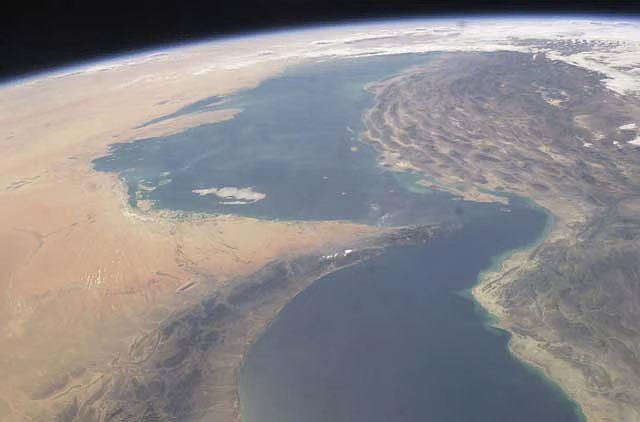
Hormuz and a select group of strategic maritime straits have remained critical arteries of global trade since the 16th century, repeatedly becoming focal points of geopolitical competition and conflict.
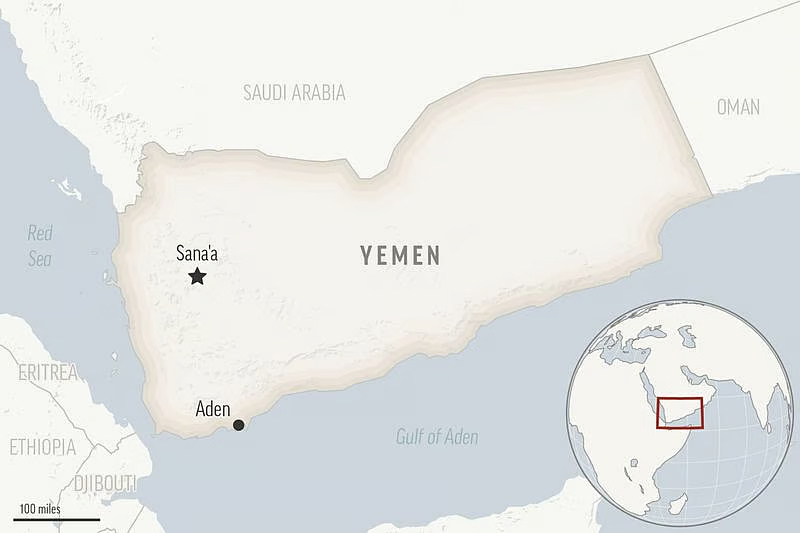
As Iran increases pressure around the Strait of Hormuz, its allies in Yemen, the Houthi movement, are seeking to disrupt shipping routes in the Red Sea linked to Saudi ports. Experts warn that such actions could also threaten traffic through another vital chokepoint, Bab al-Mandab, which vessels must pass through to access the Suez Canal.
Vital arteries of global trade
These two waterways, which control access to the Gulf and the Red Sea, are among roughly a dozen maritime chokepoints regarded as essential to international commerce.
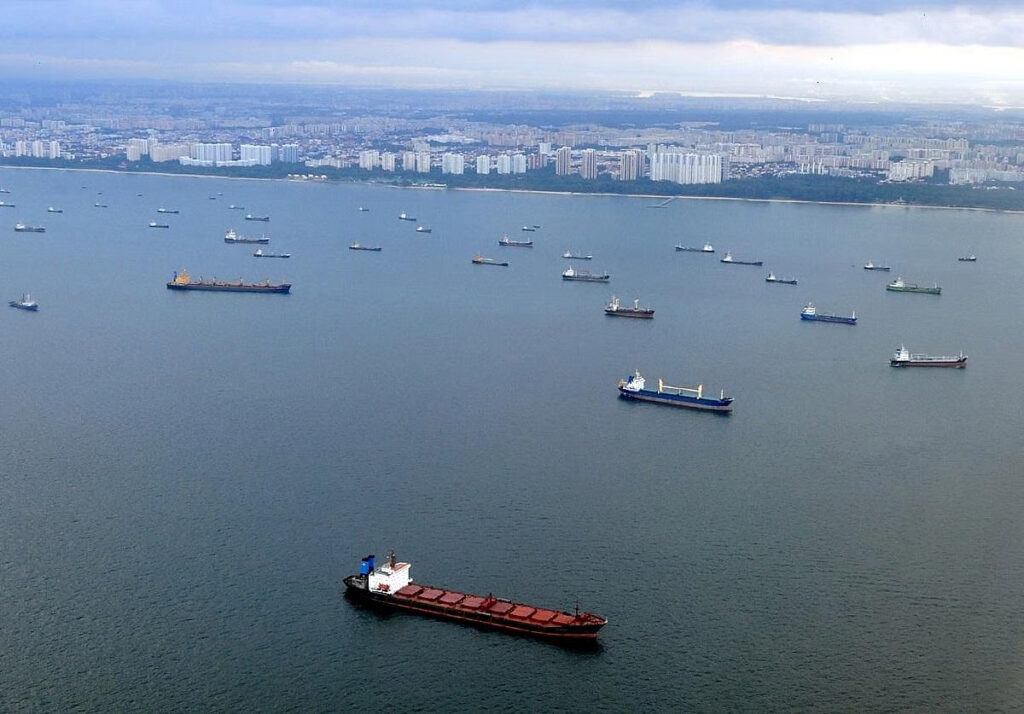
Oil and gas tankers, bulk carriers and container vessels carrying raw materials and consumer goods rely on these narrow natural passages to keep global trade moving.
The United Nations Convention on the Law of the Sea (UNCLOS), signed in Montego Bay on December 10, 1982, is often described as a “constitution for the oceans”. It establishes that straits are natural maritime features that should not be subject to tolls and upholds the principle of freedom of navigation, according to Sylvain Domergue, a lecturer at Sciences Po Bordeaux and author of Geopolitics of Maritime Spaces, who spoke to AFP.
Unlike natural straits, man-made waterways such as the Panama Canal and the Suez Canal can impose tolls set by the countries that operate and manage them.
In the case of Hormuz, Iran — which “has not ratified the Montego Bay Convention” — had nevertheless followed its principles under customary international law until now, said Sylvain Domergue.
Portugal, whose explorers pioneered the maritime route to India, attempted to take control of Hormuz as early as 1507 in a bid to secure a monopoly over access to the spice trade and the wealth of the East, he added.
‘The sea belongs to no one’
Following a landmark debate, the Mare Liberum (Free Sea) doctrine proposed by Dutch jurist and philosopher Hugo Grotius gained influence in the early 17th century. It established the idea that straits were crucial to international commerce because the seas were open to all and “belong to no one”.
“To ensure freedom of navigation, it was first necessary to secure freedom of passage through strategic straits,” Domergue said.
The Netherlands embraced this principle and became a strong advocate of open seas, followed later by Britain and the United States. The US continues to observe “almost all of the Montego Bay Convention’s” provisions, despite not formally ratifying the treaty, he added.
However, the principle of free navigation did not stop Britain from shaping parts of its colonial expansion around control of strategically important straits, Domergue said.
Britain built several important military strongholds around strategically located maritime routes.
Its most significant colonial naval base in Asia was established in Singapore, giving it control over the Strait of Malacca — a crucial passage that now carries one of the world’s largest shares of maritime traffic from China.
London also established strategic bases on the island of Socotra, located near Bab al-Mandab and the gateway to the Red Sea, strengthening its influence over another key maritime route.
In Europe, the Danish Straits — including the Øresund and the Kattegat, which provide access to the Baltic Sea — held major strategic importance in the 19th century. They allowed Denmark to collect tolls for centuries and served as a gateway controlling Baltic access to the Atlantic, particularly for powers such as Russia, according to the geographer.
Turkish exceptions
The only major straits where tolls are still collected are the Turkish Straits — the Bosphorus and the Dardanelles — which operate under earlier international agreements established through the 1936 Montreux Convention.
Looking ahead, new disputes over strategic waterways are likely to emerge, Domergue said, pointing to the Taiwan Strait amid China’s territorial ambitions in the region, as well as the Strait of Malacca, which is shared by Singapore, Malaysia and Indonesia.
He also highlighted what he described as a “war of sand” in the Taiwan Strait, where Chinese vessels have been collecting marine sand for construction use in China from waters claimed by Taiwan, creating further tensions.
When Iran announced plans to introduce a toll in the Strait of Hormuz, the Malaysian prime minister initially suggested that a similar approach could be considered for the Strait of Malacca before later withdrawing the suggestion, Domergue noted.
“If a toll were introduced in Malacca, Singapore could lose part of its influence and its position as a major East Asian maritime hub,” he added.

