

Rising temperatures are expanding the spread of Hantavirus infection into new regions, with reported cases doubling.
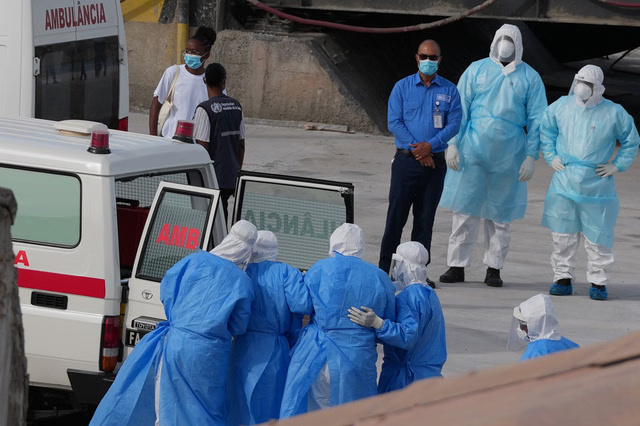
In Buenos Aires, Argentina, officials and experts are working to determine whether the country is the origin of a deadly Hantavirus infection outbreak linked to an Atlantic cruise ship.
The health emergency on board the vessel comes amid a broader rise in hantavirus cases in Argentina, which many public health researchers are associating with the accelerating impacts of climate change.
Argentina—where the cruise bound for Antarctica began its voyage—is consistently ranked by the World Health Organization (World Health Organization) as having the highest incidence of the rare, rodent-borne Hantavirus infection in Latin America.
Rising temperatures are widening the geographic range of Hantavirus infection, in part because warmer conditions and shifting ecosystems allow rodent carriers to survive and spread into new areas, according to experts.
Humans typically become infected through contact with rodents or their droppings, urine, or saliva.
“Argentina has become more tropical due to climate change, bringing disruptions such as dengue and yellow fever, as well as new plant growth that produces seeds, allowing rodent populations to increase,” said Hugo Pizzi, an Argentine infectious disease specialist.
“There is no doubt that over time, Hantavirus infection is spreading more widely.”
Argentina’s Health Ministry reported 101 hantavirus infections since June 2025, about twice the number recorded during the same period last year. The Andes virus, found in South America, can cause hantavirus pulmonary syndrome—a severe and often fatal lung condition. The disease has had a mortality rate of nearly one-third of cases over the past year, compared to an average of about 15% in the previous five years, according to the ministry.
Authorities said passengers aboard the Dutch-flagged cruise ship MV Hondius tested positive for the Andes virus.
The source of the infection is still under investigation. Argentine officials are working to trace where infected passengers may have traveled before boarding in Ushuaia, a southern port city often called “the end of the world.” Once itineraries are confirmed, authorities plan to track contacts, isolate close contacts, and monitor them to prevent further spread of Hantavirus infection.
The World Health Organization (World Health Organization) reported that the first death on board occurred on April 11, involving a 70-year-old Dutch passenger.
His 69-year-old wife, also Dutch, died on April 26, followed by a third passenger, a German woman, who died on May 2.
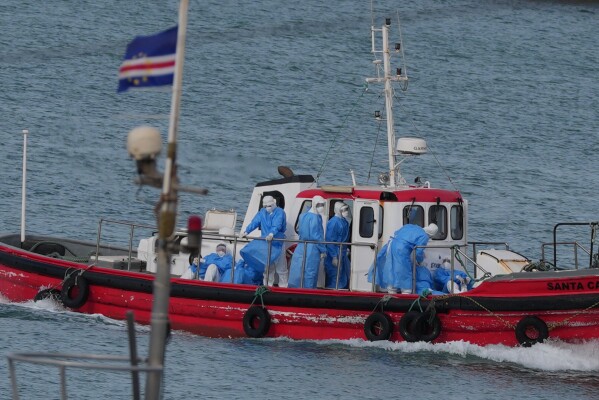
Hantavirus infection can incubate for between one and eight weeks, making it difficult to determine whether the passengers were infected before leaving Argentina for Antarctica on April 1, during a scheduled stop at a remote South Atlantic island, or while aboard the ship.
The Argentine province of Tierra del Fuego—where the vessel docked for weeks before departure—has never previously recorded a hantavirus case. According to the World Health Organization (World Health Organization), the Dutch couple had gone sightseeing in Ushuaia and traveled to other parts of Argentina and Chile before boarding the cruise.
The Argentine government’s leading hypothesis is that the couple may have contracted Hantavirus infection during a bird-watching excursion in Ushuaia, according to two investigators who spoke anonymously due to lack of authorization to brief the media while evidence is still being reviewed.
Authorities are also tracing the Dutch tourists’ movements through the forested regions of Patagonia in southern Argentina, where several clusters of infections have been identified.
Because early symptoms often resemble flu-like illness—fever and chills—tourists may mistake it for a common cold and delay seeking treatment, making the disease particularly dangerous, said Raul González Ittig, a genetics professor at the National University of Córdoba and researcher at CONICET.
Meanwhile, the mountain resort town of San Carlos de Bariloche—a key northern gateway to Patagonia—reported its first human hantavirus case of 2026 on Tuesday, according to the Río Negro provincial government. The patient was hospitalized the following day.
Climate change is reshaping ecosystems in Argentina, driving rodents that carry Hantavirus infection into new regions, according to experts. The country has recently experienced both historic droughts and episodes of unusually heavy rainfall, patterns scientists link to climate change.
Dry periods push animals out of their natural habitats in search of food and water, while heavy rains boost vegetation growth and seed production, which in turn supports expanding rodent populations. As Raul González Ittig, a genetics professor at the National University of Córdoba and researcher at CONICET, explained, increased rainfall can raise food availability, leading to larger rodent populations and a higher risk of virus transmission between rodents—and eventually to humans.
While hantavirus cases were once largely confined to southern Patagonia, about 83% are now reported in northern Argentina, according to the Health Ministry. In January, authorities issued an alert after several fatal outbreaks, including cases in the heavily populated province of Buenos Aires.
“With the climate changing, the epidemiological situation has shifted significantly,” said Hugo Pizzi, referring to the changing spread of Hantavirus infection. “The ship incident may be isolated, but this virus is here to stay.”

