

From a humble desert airfield in 1955 to a world-class aviation hub in Abu Dhabi.
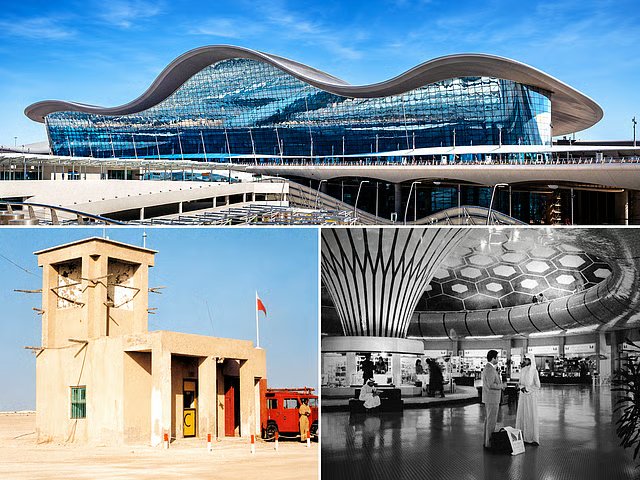
From a humble sand runway to the state-of-the-art Zayed International Airport, Abu Dhabi’s aviation journey reflects seven decades of remarkable growth and transformation.
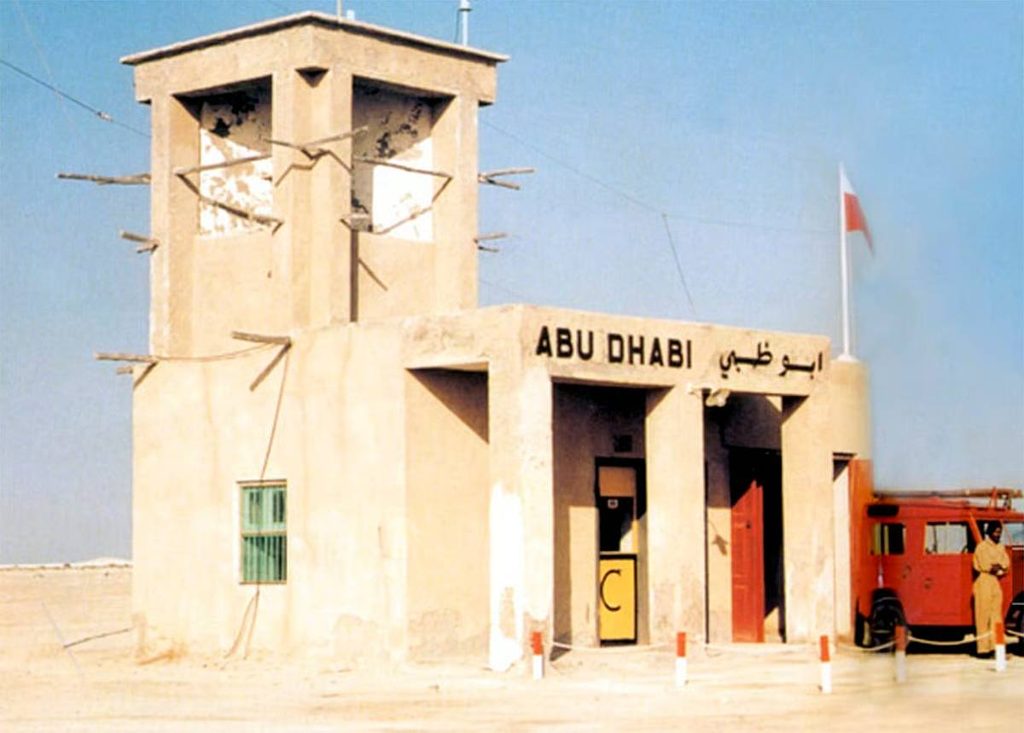
The capital’s aviation history began in 1955, when a small airport featuring a sand runway and a basic terminal handled its earliest commercial flights. The original air traffic control building, preserved near Muroor Road, still stands as a reminder of Abu Dhabi’s early aviation heritage.
A significant milestone came in 1968 with the opening of Al Bateen Airport, built on what was then a stretch of desert on the outskirts of the city. It became Abu Dhabi’s first international airport and served as the capital’s primary aviation gateway until 1982.
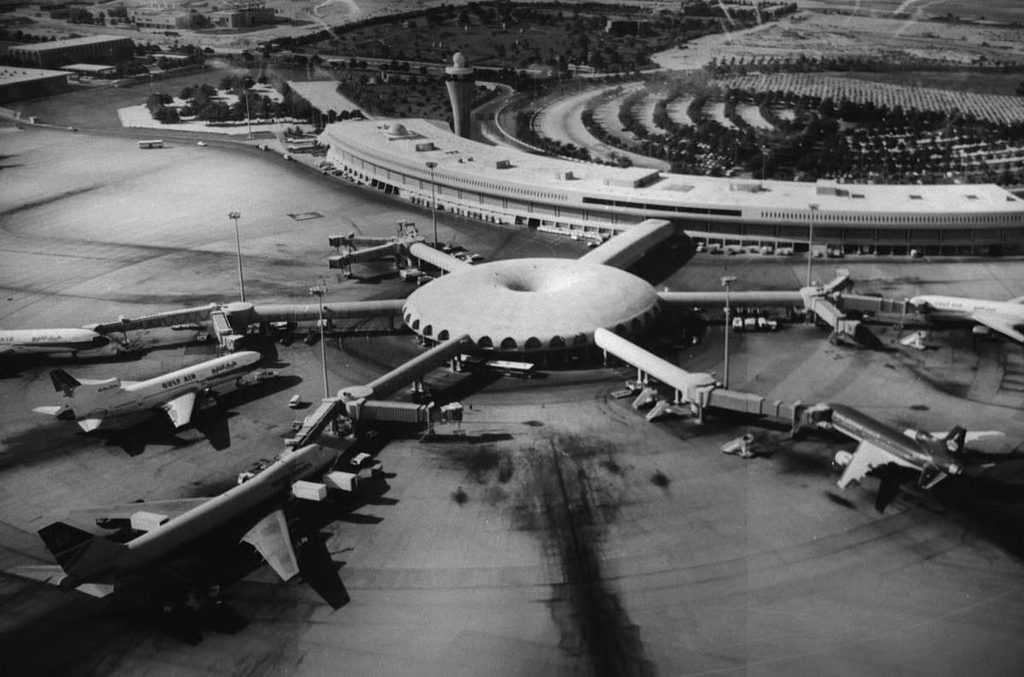
On January 2, 1982, Abu Dhabi International Airport officially opened, featuring a distinctive circular satellite terminal linked to a semi-circular main terminal.
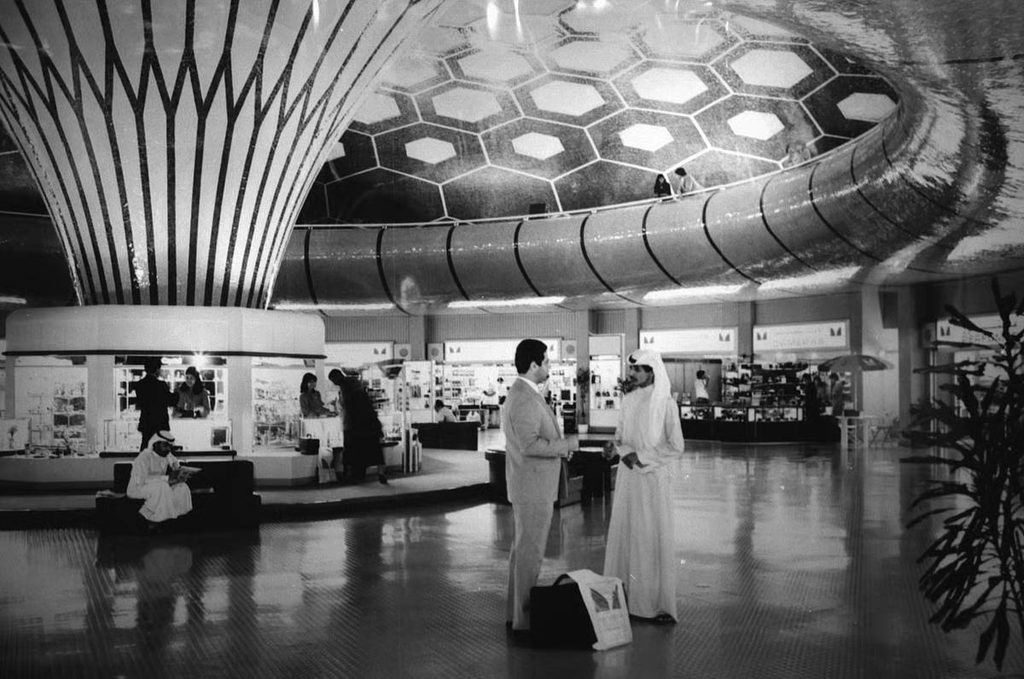
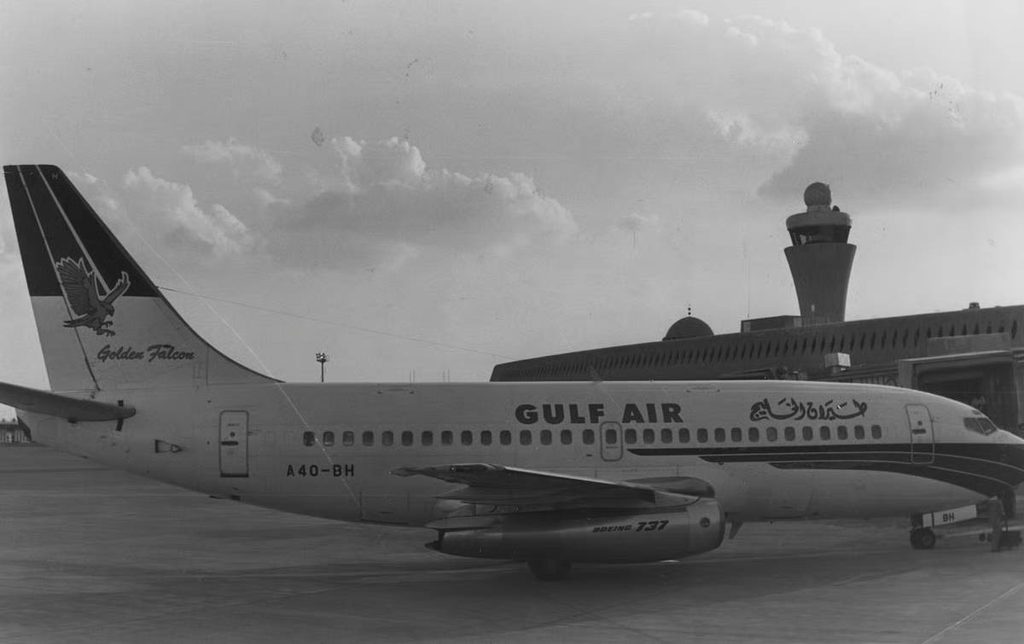
As air travel demand grew, the airport underwent several major expansions. Terminal 2 opened in 2005, followed by a second runway in 2008 and Terminal 3 in 2009, significantly increasing its operational capacity.
The launch of Etihad Airways in 2003 also marked a turning point, strengthening Abu Dhabi’s global connectivity and establishing the capital as an increasingly important international aviation hub.
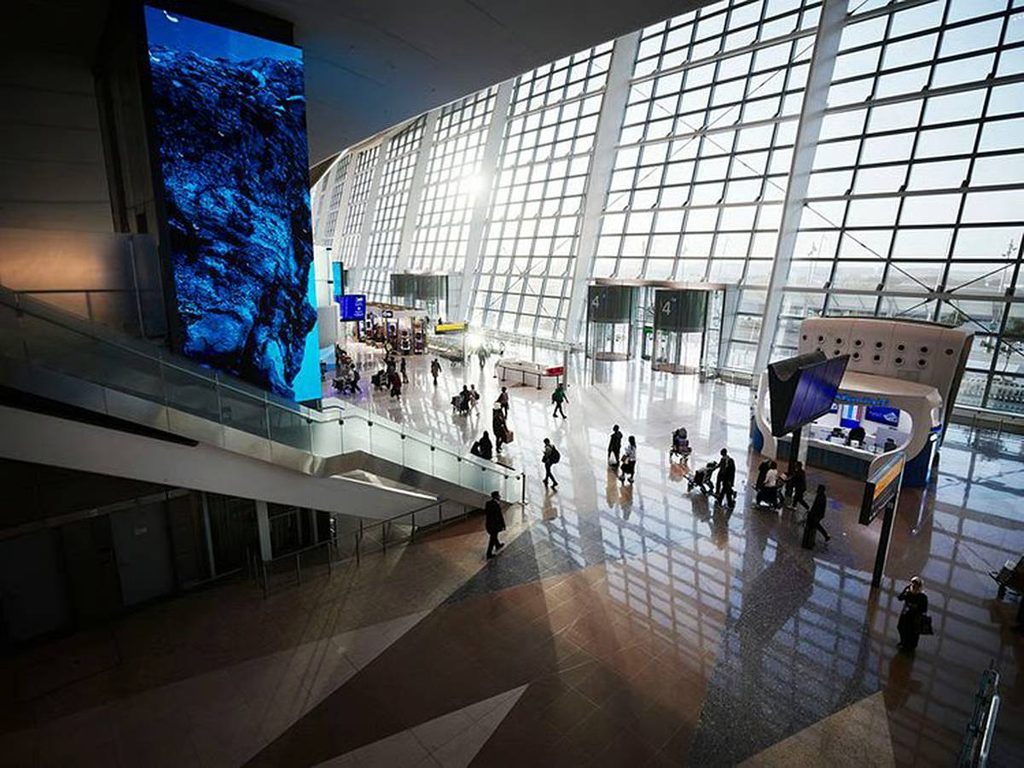
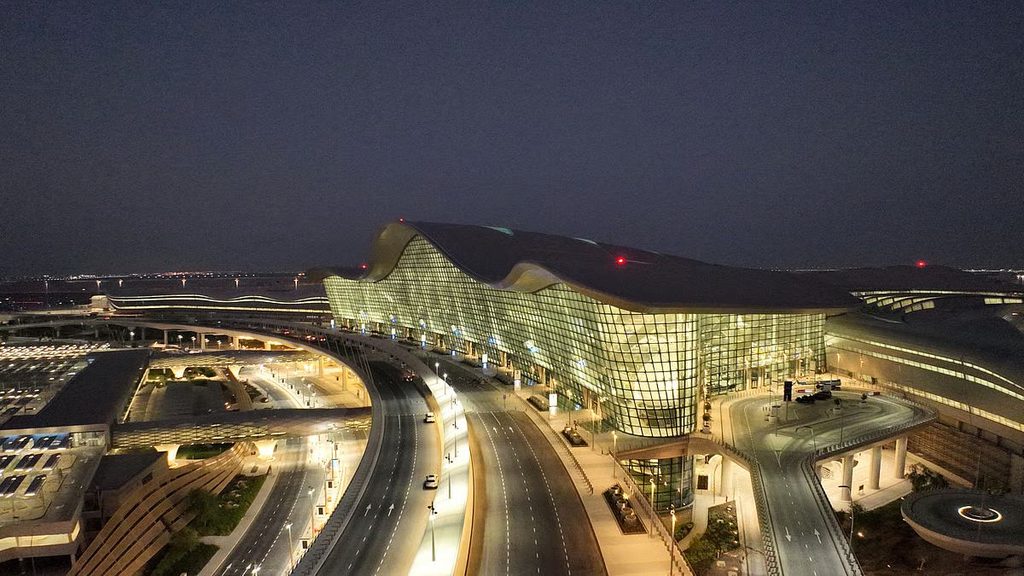
Another landmark moment came in November 2023, when the airport’s new Terminal A commenced operations. Spanning an impressive 742,000 square metres, the modern facility was designed to accommodate up to 45 million passengers annually.
On February 9, 2024, Abu Dhabi International Airport was officially renamed Zayed International Airport in honour of the UAE’s Founding Father, Sheikh Zayed bin Sultan Al Nahyan.
The airport continued its impressive growth, welcoming a record 32.5 million passengers in 2025.
By 2026, Zayed International Airport had firmly established itself as a major global aviation hub, connecting Abu Dhabi with more than 100 destinations worldwide and reflecting the capital’s extraordinary transformation from a modest desert airfield into a world-class centre for international travel.

