

Desert dust and your health: Doctors share risks and safety tips.
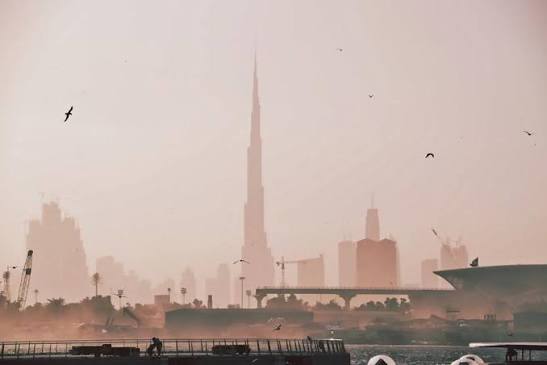
Dubai: With dusty conditions affecting parts of the UAE, doctors are advising residents to take additional precautions to protect their health, particularly during sandstorms and periods of reduced air quality.
For many people, exposure to dust may cause temporary symptoms such as irritated eyes, sneezing and throat discomfort. However, prolonged exposure to fine airborne particles can trigger asthma episodes, aggravate allergies and contribute to breathing problems, especially among vulnerable groups.
Medical experts highlight that children, older adults, pregnant women and individuals with asthma, chronic respiratory illnesses or heart conditions are among those most at risk.
Limit outdoor exposure
According to Dr. Maria Thomas, specialist pulmonologist at Medcare Royal Hospital, one of the most effective ways to protect health during dusty conditions is to minimise exposure when dust levels are elevated.
“When dust levels are high, it is advisable to avoid unnecessary outdoor activities, especially intense exercise, as heavier breathing can allow more dust particles to enter and travel deeper into the airways,” Thomas said.
If outdoor activities cannot be avoided, she recommends wearing a well-fitted face mask, washing the face and hands after returning indoors, changing clothes to remove dust particles and maintaining good hydration.

At home, keeping windows and doors closed and using air conditioning systems or air purifiers with appropriate filters can help maintain better indoor air quality. Families should also keep asthma inhalers and other prescribed medications readily available when needed.
Poor air quality
Highlighting the impact of seasonal weather conditions in the region, Dr. Prabhu Prasad N.C., specialist pulmonologist at RAK Hospital, said that sandstorms and shamal winds can cause air quality levels to deteriorate within a matter of hours.
“We frequently see a rise in asthma flare-ups, allergic reactions and sinus-related complaints in emergency departments and outpatient clinics during extended periods of dusty weather,” said Prasad.
He advised residents to monitor air quality levels, avoid outdoor activities when pollution levels are high and keep vehicle windows closed while using the air recirculation setting when driving.

Prasad added that HEPA air purifiers can help reduce indoor dust levels, while showering and changing clothes after spending time outdoors can remove fine particles that may continue irritating the airways inside the home.
Allergies and asthma
Dust is a common trigger for conditions such as allergic rhinitis, sinusitis and asthma.
Dr. Vishal Prasad, specialist ENT at Prime Medical Centre Ajman, said dust particles can irritate the nose, throat and lungs, causing symptoms including sneezing, nasal congestion, coughing, wheezing and breathing difficulties.
He advised people with asthma and allergies to continue using prescribed treatments, including inhalers, antihistamines and nasal sprays, without interruption. Saline nasal rinses may also help remove dust particles from the nasal passages.

“Older adults, young children and people with chronic lung conditions should avoid unnecessary outdoor exposure,” Prasad said.
Know when symptoms require medical attention
Doctors have emphasised that while mild irritation is common during dusty conditions, symptoms that worsen or persist should not be overlooked.
Dr. Amjed Almufty, consultant ENT and head and neck surgeon at Aster Hospital Qusais, said that ongoing coughing, chest tightness or shortness of breath despite taking medication should be assessed by a medical professional promptly.

“I recommend staying indoors as much as possible during periods of heavy dust, keeping windows and doors closed, maintaining good hydration and wearing a well-fitted mask if you need to go outside,” Almufty said.
Protecting your eyes
Eyes can be particularly sensitive during dusty conditions, as tiny airborne particles can easily settle on the surface of the eye and cause irritation.
Dr. Archana Sood, specialist ophthalmologist at RAK Hospital, recommends wearing wraparound sunglasses or protective eyewear when outdoors, especially during windy conditions or while working in dusty environments.
“If dust enters the eye, avoid rubbing it. Blink several times to allow natural tears to help flush out the particle, then rinse the eye with clean water or a sterile saline solution,” Sood advised.

People who use contact lenses may want to switch to glasses on especially dusty days, as particles trapped under lenses can increase irritation and discomfort.
Artificial tears can also help keep the eyes moisturised and assist in flushing out small dust particles.
When should you see a doctor?
Doctors advise seeking medical attention if eye irritation continues after rinsing or if symptoms such as persistent redness, severe eye pain, blurred or reduced vision, sensitivity to light, swelling, discharge or the feeling that something is still stuck in the eye occur.
Medical help should also be sought if respiratory symptoms worsen despite medication, including ongoing wheezing, chest tightness, breathing difficulties or severe shortness of breath.
Specialists have emphasised that these warning signs could point to a more serious eye injury, infection or respiratory complication that requires timely medical attention.
Simple precautions
While sandstorms are a recurring part of life in the UAE, doctors say advance preparation can significantly reduce potential health risks.
Keeping track of weather forecasts and air quality updates, reducing outdoor exposure during dusty conditions, wearing masks when needed, maintaining clean indoor air and continuing prescribed medications are among the key steps residents can take to stay protected.
For families with young children, elderly members or people managing asthma and allergies, these simple precautions can help prevent symptoms from escalating into more serious health concerns.

