

Dubai’s sail-shaped landmark hotel will undergo phased restoration work aimed at preserving its heritage.
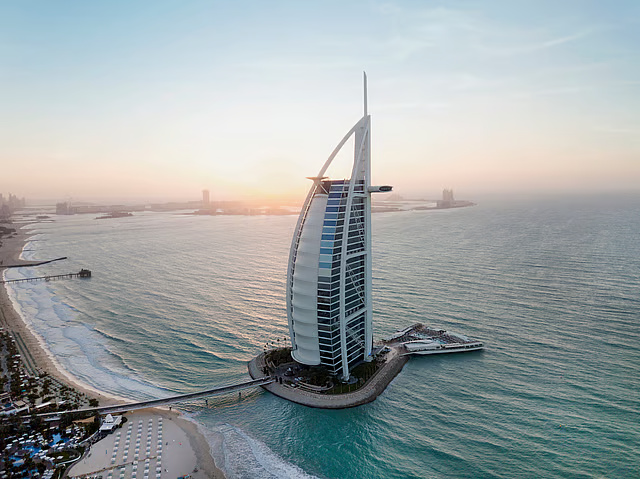
Dubai’s iconic Jumeirah Burj Al Arab, its sail-shaped luxury hotel, is set to undergo its first major restoration since opening in 1999.
Owned by Jumeirah Group, a subsidiary of Dubai Holding, the renovation aims to preserve one of Dubai’s most recognisable landmarks for future generations. The phased restoration of the dhow-shaped hotel, a symbol of the emirate’s luxury tourism identity, is expected to take around 18 months.
The restoration will focus on carefully preserving and enhancing the hotel’s distinctive interiors while ensuring uninterrupted luxury hospitality standards, according to the company.
The project will be led by French interior architect Tristan Auer, selected after a rigorous process. Auer is internationally recognised for restoring landmark heritage properties, including Hôtel de Crillon in Paris.
“Renowned for his refined approach to restoration, his work reflects a deep respect for heritage, craftsmanship, and detail, bringing a contemporary sensibility to timeless spaces,” Jumeirah said.
What to expect:
Thomas B. Meier, CEO of Jumeirah, said the restoration goes beyond upgrading a hotel structure.
“Jumeirah Burj Al Arab is far more than an architectural landmark; it is a symbol of ambition, craftsmanship and enduring excellence,” he said.
“For the past 27 years, this exceptional property has served guests with the same passion and world-class standards that set it apart from any other hotel in the world. This restoration programme marks a new chapter in the story of Jumeirah Burj Al Arab,” he said.
Since its launch, the Burj Al Arab has become one of the world’s most photographed buildings and helped redefine luxury hospitality in the region by introducing personalised butler service and setting new benchmarks in ultra-premium guest experiences.
“Being entrusted with the very first restoration of a property of this calibre in Dubai — the Jumeirah Burj Al Arab, a timeless icon of the region — is a profound privilege,” he said.
“To carry forward, with the utmost dedication, the legacy of such an extraordinary landmark is both an honour and a responsibility.”
The hotel currently has 198 luxury suites and is known for its opulent interiors featuring marble, gold leaf, and Swarovski crystal detailing.
Over the years, it has become not only a flagship property for Jumeirah (part of Dubai Holding) but also a global symbol of Dubai’s luxury tourism brand.
The restoration reflects Dubai’s broader efforts to preserve its modern architectural landmarks as the city evolves, ensuring icons like the Burj Al Arab remain relevant while maintaining their original character.

