

Diesel prices surge across US and Europe as oil product disruptions tighten supplies.
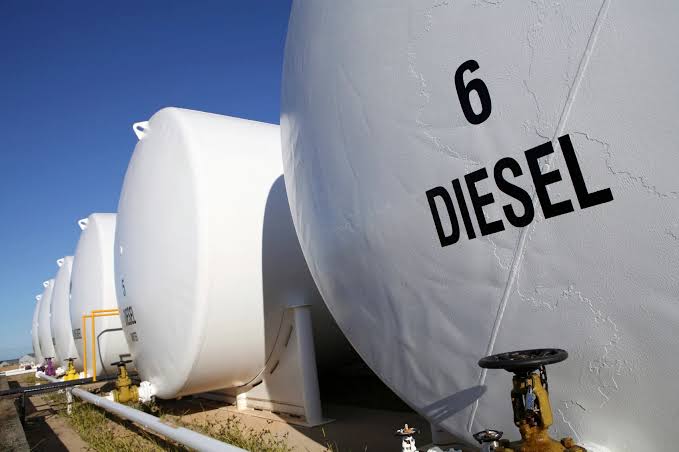
Diesel prices have surged in the US and Europe following a series of refinery disruptions that have tightened supplies of the fuel widely used by trucks, farmers, manufacturers and other major industries.
US ultra-low-sulfur diesel futures jumped 7.4% to $4.19 a gallon, marking the biggest single-day gain since July 13, while European diesel refining margins climbed nearly 10%, Reuters reported.
The rally in diesel prices has outpaced gains in crude oil benchmarks as traders increasingly focus on tightening supplies of refined products rather than crude itself.
In Europe, diesel refining margins — the difference between the price of refined fuel and the cost of crude oil — rose by around 10%, reflecting growing concerns over fuel availability.
The latest supply concerns came after a Ukrainian attack on a refinery in Russia’s Tatarstan region, along with renewed attacks by Yemen’s Iran-aligned Houthi rebels on Saudi Arabia’s Jazan refinery, which has remained offline since July 27.
The Saudi facility is now expected to resume operations around August 30.
The latest disruptions add to the ongoing impact of the closure of the Strait of Hormuz, a vital energy shipping route whose disruption has restricted global flows of crude oil and refined petroleum products.
Diesel markets are particularly sensitive to supply disruptions because refineries cannot quickly switch production between different fuel types. Diesel is also essential for freight transport, agriculture, construction and industrial activity, meaning prolonged shortages could push up transportation and food costs.
US distillate inventories, which include diesel and heating oil, have fallen to around 107.2 million barrels, their lowest seasonal level in nearly three decades, according to Reuters. Analysts expect inventories to come under further pressure in the coming weeks.
Russia has also taken steps to safeguard its domestic fuel supply by extending restrictions on gasoline and diesel exports through January 2027, further limiting the volume of refined fuels available to international buyers.
The situation highlights how disruptions to oil infrastructure can drive up consumer fuel prices even when crude prices do not rise at the same pace. Refineries are required to convert crude oil into usable products such as diesel and jet fuel, and outages can quickly send refined-product prices higher, particularly when inventories are already tight.
Europe is especially vulnerable, as its refined-fuel market has faced significant logistical and geopolitical disruptions since war-related shutdowns around the Strait of Hormuz. European refining margins had already climbed to unusually high levels earlier this year amid disruptions to supply routes.
Crude oil prices also rose sharply on Monday.Brent and US crude futures settled around 5% higher as uncertainty continued over when the Strait of Hormuz would reopen. Meanwhile, Washington and Tehran remained at odds over compensation and other terms related to the conflict.
For consumers, the main concern is that diesel prices could remain elevated even if crude oil prices stabilise.
Refinery outages, low inventories, export restrictions and disrupted shipping routes are combining to create a separate squeeze in refined fuels.
The resulting pressure could drive up costs for trucking, agriculture, air travel and everyday goods, potentially extending the impact of the energy shock far beyond the fuel pump.

