

Key Checks UAE Buyers Must Do Before Paying for a Used Car.

Dubai: For many motorists in the UAE, buying a used car offers one major advantage: better value for money.
New cars can depreciate significantly within their first few years, allowing buyers to get a newer, better-equipped or more expensive model at a fraction of its original price. However, finding a genuinely good deal involves more than simply choosing the car with the lowest asking price.
With thousands of used cars listed online and available through dealerships and showrooms, finding a vehicle is relatively easy. The real challenge is determining whether the car is genuinely worth its asking price—or whether it could turn into an expensive mistake.
So, what should buyers look for before making the decision to purchase a used car?
Get an Independent Inspection Before Paying
For buyers, one of the most important steps is to have the vehicle independently inspected before making any payment. A professional inspection can uncover mechanical issues, accident damage, hidden defects or other problems that may not be immediately visible during a test drive.
“For me, the biggest piece of advice when buying any used car in the UAE is to always have an independent pre-purchase inspection carried out before handing over any money. Never rely solely on what the seller or dealer tells you,” Athina Doyle, General Manager of I Service Any Car, told Gulf News.
Several car repair and maintenance workshops across the UAE offer pre-purchase inspections, giving buyers an independent assessment of a vehicle before they commit to a purchase.
These inspections typically cover the car’s mechanical, electrical and structural condition, as well as its interior, exterior, underbody and bodywork. Mechanics can look for signs of previous repairs, accident damage, excessive wear and other issues that may not be immediately apparent during a test drive.
An inspection can also help identify vehicles that may have been imported into the UAE after sustaining significant accident damage overseas. Where available, buyers can also check the vehicle’s UAE accident history.
A comprehensive pre-purchase inspection generally assesses key components including the engine, electrical systems, tyres, bodywork and interior, helping buyers understand the vehicle’s overall condition and identify potentially costly problems before completing the purchase.
A comprehensive vehicle pre-purchase inspection typically costs between Dh199 and Dh400, depending on the workshop and the scope of checks included. Buyers should receive a detailed inspection report outlining the vehicle’s overall condition, identifying any existing issues and highlighting components that may require repair or attention.
Check for Signs of Accident Repairs
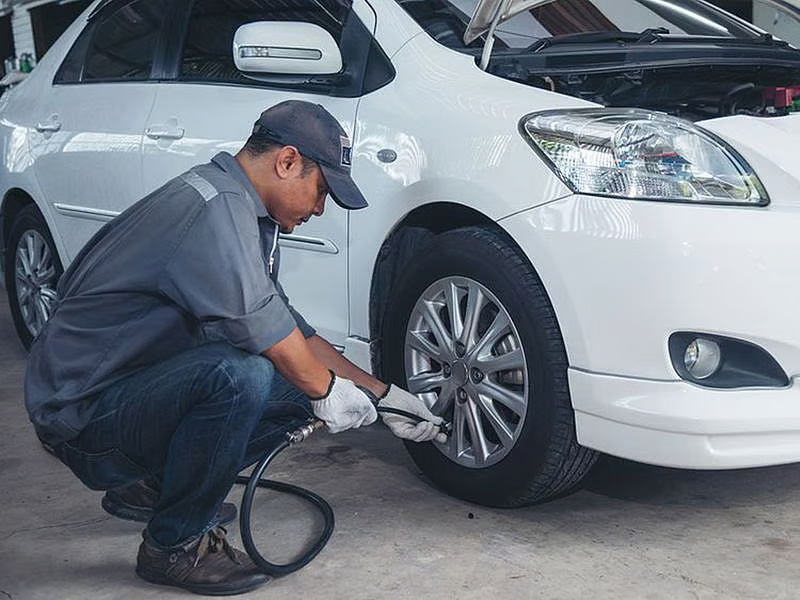
A clean, polished exterior does not necessarily mean a vehicle has an accident-free history. Doyle advises buyers to carefully inspect the bodywork for inconsistencies that could indicate previous repairs or accident damage.
“Uneven panel gaps, mismatched paint, overspray, unusual welding, or signs that panels and bolts have previously been removed can all point to accident repairs.”
However, an accident history does not automatically mean a used car should be rejected. The key is to understand the severity of the accident, which components were damaged and the quality of the repairs. There is a significant difference between replacing a damaged headlight or repainting a single panel and dealing with structural damage, major repairs or flood damage.
Don’t Overlook Flood Damage
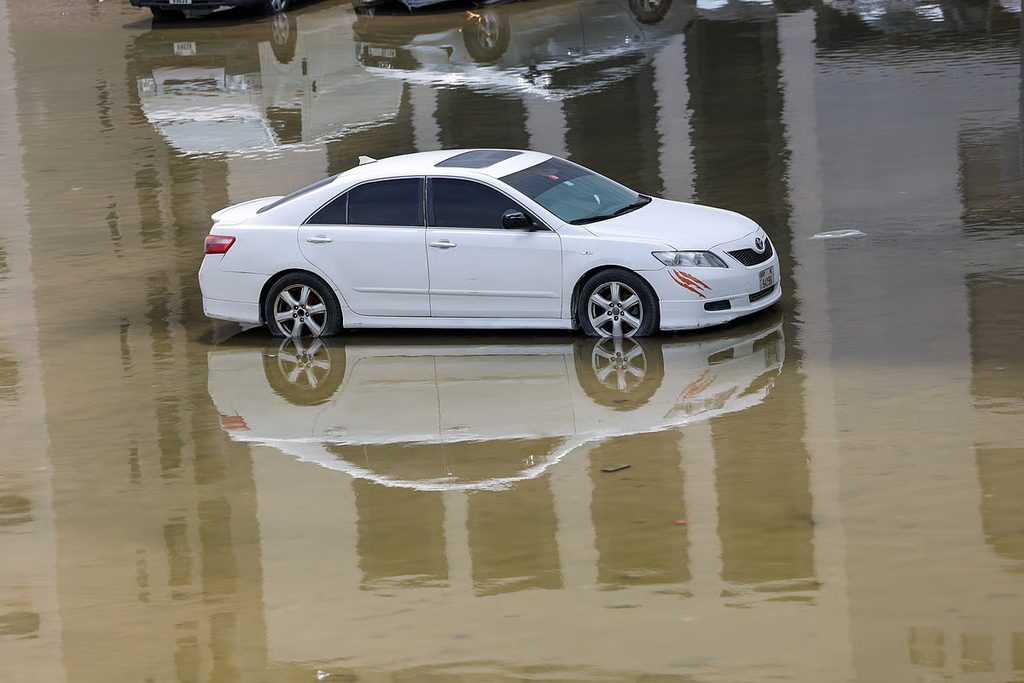
Flood-damaged vehicles can pose serious problems, particularly because some signs of water damage may not be immediately visible. Doyle recommends checking the seat belts as one potential warning sign.
“One simple check is to pull the seat belts completely out of their reels. Water or tide marks, staining or discolouration towards the bottom of the belt can indicate that the vehicle has previously been submerged. Damp or musty smells, corrosion in unusual places and electrical issues should also raise questions.”
These issues can lead to costly repairs over time, turning what initially appears to be a bargain into poor value for money.
A Seller Refusing an Inspection Is a Major Red Flag
Perhaps the biggest warning sign is not something you will find on the vehicle itself, but how the seller responds when you ask for an independent inspection.
“However, the biggest red flag for me is a seller who does not want you to take the vehicle for an independent pre-purchase inspection. If somebody is confident in the car they are selling, there should be no reason to prevent you from having it professionally checked. If a seller refuses, my advice would be simple: walk away.”
With thousands of used cars available across the UAE, buyers should not feel pressured into purchasing a vehicle unless they are fully satisfied with its condition, history and asking price.
Check the Car’s History, Not Just Its Condition
Anand Kumar Nallasamy, Business Head at Service My Car, said buyers should look beyond a vehicle’s appearance and establish its history before making a purchase.
“When buying a used car in the UAE, buyers should look beyond the car’s appearance and ask for its complete history. A clean-looking car can still have a history of accidents, major repairs, repeated mechanical issues or inconsistent mileage.”
A vehicle history report can provide valuable information about a car’s past, including reported accidents, ownership records, mileage and major repairs. Buyers should ideally verify accident and insurance records, service and maintenance history, previous ownership details and any outstanding issues before completing the purchase.
The recorded mileage should also be consistent with the vehicle’s age and service records. Any unexplained discrepancies could be a warning sign and should be investigated before proceeding with the purchase.
“My advice to every used-car buyer is simple: check the history, inspect the condition, and only then negotiate the price. Spending a small amount before purchasing the car can potentially save you thousands of dirhams in unexpected repairs later.”
Buyers can use the vehicle’s 17-digit chassis number, also known as the Vehicle Identification Number (VIN), to check its accident history through official channels, including Roads and Transport Authority (RTA) and Ministry of Interior (MOI) accident inquiry services.
These checks can help identify potential red flags, such as previous accidents, registration details or discrepancies that may not be apparent during a visual inspection. However, buyers should not rely on a vehicle history report alone. It should be treated as one part of a broader due-diligence process that includes an independent inspection and a review of the car’s service records.
Look Beyond the Price When Judging Value
A car priced Dh5,000 below similar listings is not necessarily a bargain. A lower asking price may reflect hidden mechanical problems, a questionable history or higher ownership costs down the line.
Experts recommend considering factors such as the brand’s reputation, availability and cost of spare parts, maintenance expenses, fuel economy, GCC specification and the number of similar vehicles available on the market. Ultimately, the best used car is not always the one with the lowest asking price.
A genuine bargain is a vehicle with a fair market price, verifiable history, sound mechanical condition and manageable ownership costs. That means getting good value not only on the day of purchase, but throughout the years you own the car.

