

Saudi oil shipments remain resilient despite attacks, with exports holding near wartime highs.
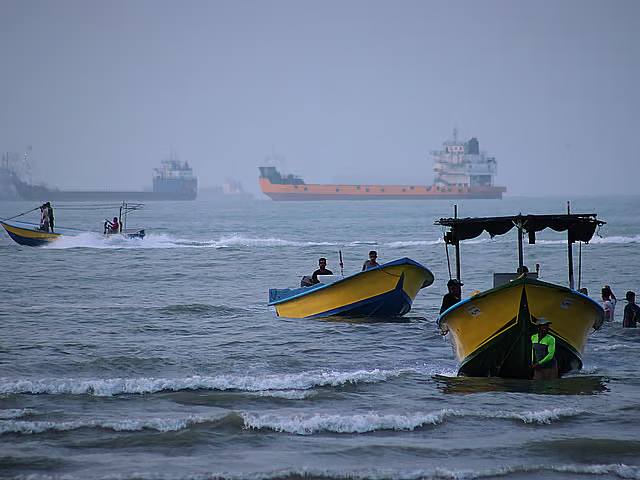
Saudi Arabia’s oil exports are continuing at levels close to those recorded before the war, despite a series of attacks targeting the kingdom’s energy infrastructure and reported mine strikes on commercial vessels in the Strait of Hormuz claimed by Iran, according to Bloomberg and preliminary vessel-tracking data.
Figures from three maritime intelligence providers — Vortexa, TankerTrackers.com and Kpler — broadly support a Bloomberg report published on October 28, which indicated that Saudi crude shipments had remained resilient despite attacks attributed to the Houthis and Iran.
Vortexa estimates that Saudi Arabia shipped around 6.5 million barrels per day from its western and eastern coasts during October so far, compared with 6.6 million barrels per day in September.
TankerTrackers.com puts the figure at 6.99 million barrels per day, broadly matching prewar export levels. Kpler, however, estimates shipments at 5.4 million barrels per day, below the previous month’s level.
The differences between the estimates are significant. Kpler data cited by Asharq Business show that Ras Tanura loaded approximately 2.95 million barrels per day between October 1 and 25, around 29% lower than September’s 4.16 million barrels per day. Total Saudi exports during the period were estimated at 5.52 million barrels per day.
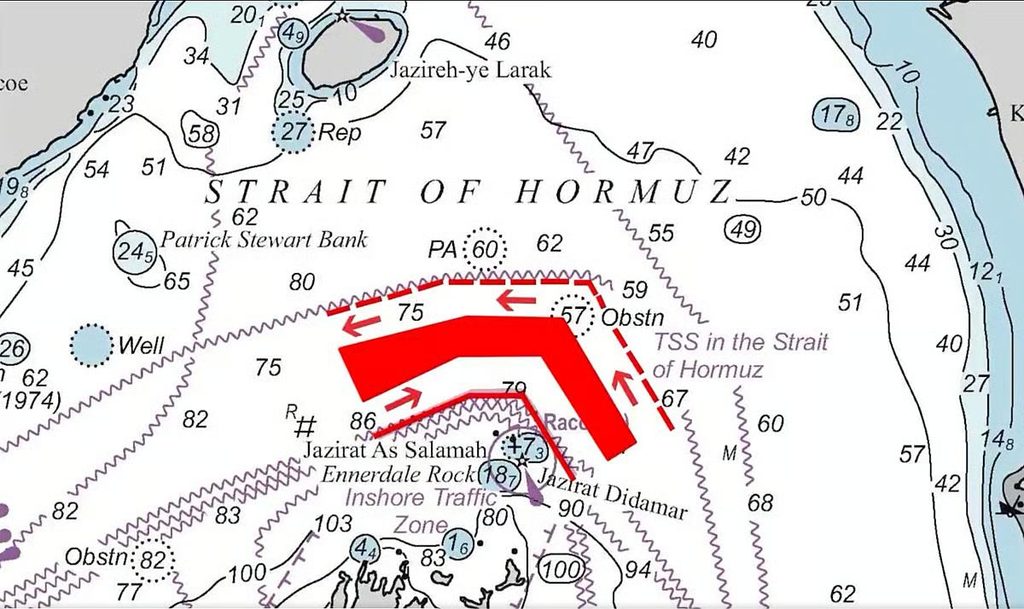
How is Saudi Arabia maintaining oil exports despite infrastructure damage?
Despite damage to pipelines, storage facilities, refineries and commercial vessels, Saudi Arabia appears to have maintained substantial export volumes. Maritime intelligence service TankerTrackers.com, which monitors crude shipments using daily satellite imagery and specialises in tracking vessels operating with limited or disabled tracking signals, has highlighted several factors that could explain the resilience.
1. Damaged pipelines can be replaced relatively quickly
Pipeline infrastructure can be repaired or replaced more rapidly than some other critical energy assets, allowing oil transportation to resume following disruptions.
2. Additional storage capacity provides flexibility
Having more storage tanks than immediately required gives producers greater flexibility to manage supply disruptions. Although damage to storage facilities can affect operations, excess capacity can help reduce the impact.
3. Refinery damage can free up crude for exports
Damage to domestic refining facilities can reduce the volume of crude processed locally. This could leave more unrefined oil available for export, partly offsetting the impact of infrastructure losses.
4. Damaged tankers can continue operating
Some vessels reportedly affected by limpet-mine attacks have continued towards the Gulf of Oman, where ship-to-ship (STS) transfers can take place before repairs are carried out.
Why tracking Saudi oil exports remains difficult
Despite the availability of satellite-based monitoring, establishing the exact volume of Saudi oil exports has become increasingly challenging.
One major complication is that more vessels are switching off or disabling their satellite tracking signals, making it harder for monitoring services to establish their locations and accurately calculate cargo movements.
There are also differences between estimates published by tracking companies. Bloomberg’s Javier Blas, citing Vortexa data, reported that Saudi exports exceeded 7 million barrels per day during the first 22 days of October.
That figure is higher than Vortexa’s separate estimate of 6.5 million barrels per day for October so far, although the reason for the discrepancy has not been explained.
Red Sea shipments provide an alternative export route
The Red Sea has played an important role in maintaining Saudi Arabia’s oil flows by providing an alternative route that bypasses the Strait of Hormuz.
Vortexa data indicate that exports through the Red Sea, mainly from Yanbu, averaged around 2.5 million barrels per day in October, compared with 2.4 million barrels per day in September.
The increase followed drone attacks originating from Iraq that struck Saudi Arabia’s East-West pipeline, also known as Aramco’s Petroline, on September 10-11. The incident prompted a temporary precautionary shutdown.
The pipeline resumed operations on September 22, although at reduced capacity. Saudi Arabia has also increased shipments through the Strait of Hormuz, with flows reportedly approaching prewar levels.
Risks to Saudi oil infrastructure remain
Despite the continued movement of crude shipments, security concerns surrounding the kingdom’s energy infrastructure persist.
A fire broke out near the Ras Tanura oil terminal on October 27, while the Houthis claimed responsibility for a missile attack in the area.
A source told Bloomberg that the fire had been contained, although the extent of the damage was initially unclear.
Meanwhile, international oil prices have continued to climb, with Brent crude reaching its highest level in almost six months amid concerns over regional security and potential disruptions to global supplies.
Late on Friday, Iran’s IRIB broadcaster reported that a supertanker carrying 2 million barrels of oil had “exploded after striking a SEA MINE in an unauthorised route in Hormuz”. The claim has not been independently verified.
Why it matters
Saudi oil exports remain a crucial source of supply amid disruptions in the Strait of Hormuz. However, the gap between estimates from different tracking agencies — around 1.6 million barrels per day — highlights the uncertainty surrounding actual shipment volumes.
These figures matter because they influence global oil prices, revenues for Gulf producers and fuel costs across markets such as the UAE. The data remain preliminary, while vessels switching off their tracking transponders make it increasingly difficult to establish accurate export volumes.
What to watch next
Attention will turn to whether Saudi Arabia can maintain its October export pace in November, alongside the release of official Saudi shipment figures and any further attacks affecting Ras Tanura, Yanbu or commercial shipping through the Strait of Hormuz.
Developments in US-Iran relations will also remain important. Any escalation following the November 3 US midterm elections could affect regional security and disrupt oil flows.
The widely reported figure of more than 7 million barrels per day attributed to Vortexa comes from a Newsquawk summary of Bloomberg columnist Javier Blas’s report. It is separate from Bloomberg’s reported estimate of 6.5 million barrels per day, and the difference between the figures remains unexplained.
Meanwhile, diplomatic discussions between Washington and Tehran are continuing. US officials have told allies in the Gulf region to prepare for potential developments, although no decision to launch a military strike against Iran has been made, according to reports.

